In today’s fast-paced digital economy, businesses and consumers are constantly looking for faster, safer, and more cost-effective ways to transfer money. One increasingly popular method is the E Check, an electronic version of a traditional paper check that allows funds to move directly between bank accounts through secure online networks. This payment option combines the familiarity of paper checks with the speed and efficiency of digital processing.
Understanding how this payment method works can help businesses reduce costs, improve cash flow, and enhance customer convenience.
What Is an E Check?
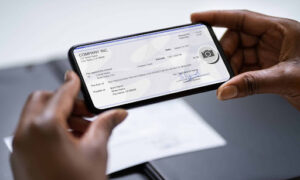
An E Check, also known as an electronic check, is a digital payment processed through the Automated Clearing House (ACH) network. Instead of physically writing and depositing a paper check, the payer authorizes a transaction online. The funds are then transferred electronically from one bank account to another.
This system is widely used for online bill payments, subscription services, vendor transactions, and recurring business expenses. Because it relies on bank-to-bank transfers, it often comes with lower processing fees compared to credit card payments.
How Electronic Checks Work
The process begins when a customer provides their bank routing number and account number through a secure payment portal. After authorization, the payment information is transmitted through the ACH network for verification and processing. Once approved, the specified amount is debited from the payer’s account and credited to the recipient’s account.
Financial institutions such as Wells Fargo and Bank of America support ACH transfers, ensuring secure and standardized processing across the banking system.
Typically, transactions take one to three business days to clear, depending on the bank and verification procedures.
Key Benefits of Using Electronic Checks
Businesses and individuals are increasingly turning to electronic check payments for several reasons:
1. Lower Transaction Costs
Compared to credit card processing fees, ACH payments are generally more affordable. This makes them attractive for businesses handling high-value or recurring transactions.
2. Improved Cash Flow
Digital processing eliminates the delays associated with mailing and depositing paper checks, helping businesses receive funds faster.
3. Enhanced Security
Electronic checks reduce the risks of lost or stolen paper documents. Encryption and verification processes help protect sensitive banking information.
4. Convenience
Customers can authorize payments from anywhere, making this option ideal for online shopping, bill payments, and subscription services.
Security Features and Fraud Prevention
Security is a major concern for digital payments. Electronic check transactions use encryption technology and authentication systems to protect financial data. The ACH network is regulated and monitored to ensure compliance with strict banking standards.
Organizations like Nacha oversee ACH operations in the United States, establishing rules and guidelines that enhance reliability and minimize fraud risks.
To further protect transactions, businesses should implement secure payment gateways, two-factor authentication, and regular monitoring of financial records.
E Check vs. Other Payment Methods
When comparing electronic checks to other payment options, several distinctions stand out:
-
Credit Cards: Faster authorization but higher processing fees.
-
Wire Transfers: Immediate settlement but typically more expensive.
-
Paper Checks: Familiar but slower and prone to physical loss.
Electronic checks strike a balance between affordability and convenience, making them particularly suitable for recurring billing and large payments.