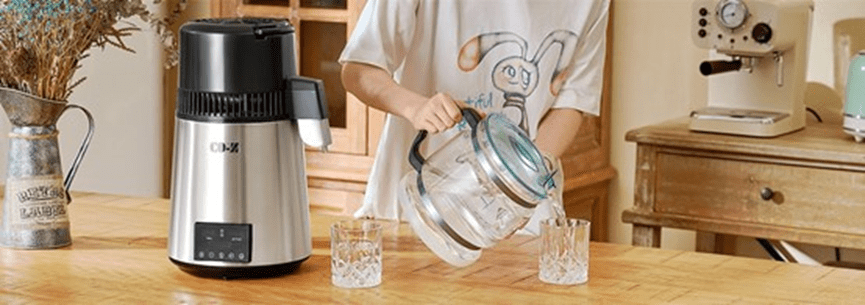
Water is something we consume every single day, yet many people rarely think about what’s actually in it. While staying hydrated is essential, the quality of your drinking water plays a bigger role in your overall wellness than you might expect. From chemical additives to invisible contaminants, everyday tap water can carry more than just H₂O. That’s why more households are turning to distilled water—and using a water distiller at home—to drink smarter and live healthier.
What Is Distilled Water?
Distilled water is created through a purification process known as distillation. In simple terms, water is heated until it turns into steam, then cooled back into liquid form. During this process, impurities are left behind.
A water distiller performs this process automatically. As water boils, contaminants such as heavy metals, chemicals, bacteria, and dissolved solids do not evaporate with the steam. The result is water that’s exceptionally pure and free from unwanted additives.
This sets distilled water apart from filtered or spring water, which may still contain minerals, treatment chemicals, or trace contaminants depending on the source and filtration method used.
Common Water Contaminants You May Be Drinking
Many people assume clear water equals clean water, but that isn’t always the case. Tap water often contains substances added during treatment or picked up as it travels through aging pipes.
Common contaminants include chlorine, fluoride, volatile organic compounds (VOCs), and heavy metals like lead or mercury. In recent years, microplastics and pharmaceutical residues have also been detected in some water supplies. While basic filters can reduce certain impurities, they don’t always remove everything.
A water distiller goes a step further by separating water from nearly all dissolved contaminants, offering a level of purification that’s hard to match with standard filtration alone.
Health & Wellness Benefits of Drinking Distilled Water
One of the biggest advantages of distilled water is its purity. Without chemical additives or dissolved solids, your body gets clean hydration without unnecessary extras. This can be especially appealing for people with sensitivities to minerals or those following wellness-focused lifestyles.
Distilled water is also a popular choice for cooking and beverages. Coffee, tea, and smoothies made with distilled water often taste cleaner because flavors aren’t affected by chlorine or mineral buildup. For those focused on detox routines or mindful consumption, using a water distiller helps ensure that water intake aligns with overall health goals.
While distilled water doesn’t contain minerals, most people get essential nutrients from food, making clean hydration the priority.
Who Can Benefit Most from Using a Water Distiller?
A water distiller isn’t just for health enthusiasts—it’s useful for a wide range of households. Families concerned about water quality, people living in areas with questionable tap water, and individuals who rely on home medical devices like CPAP machines or humidifiers all benefit from distilled water.
Fitness enthusiasts and clean-eating advocates often prefer distilled water to avoid unnecessary additives. Pet owners and parents of infants also appreciate the peace of mind that comes with knowing their water is free from contaminants.
Distilled Water vs Other Drinking Water Options
Bottled water may seem convenient, but it can be expensive and environmentally wasteful over time. Reverse osmosis systems and carbon filters improve water quality, yet they may still leave behind certain contaminants or require frequent filter changes.
Using a water distiller provides consistent purification without relying on disposable filters or bottled supplies. Over time, it can be a cost-effective and reliable solution for households that prioritize water quality.
How to Use a Water Distiller at Home
Modern water distillers are designed for easy home use. When choosing a unit, look for capacity, build quality, and ease of cleaning. Daily operation is straightforward: fill the chamber, start the cycle, and collect purified water.
Proper storage is important to maintain purity. Using clean, sealed glass or BPA-free containers helps preserve water quality. Regular maintenance, such as cleaning mineral residue from the boiling chamber, keeps your water distiller running efficiently and producing consistent results. Regular cleaning is key to keeping your unit efficient and extending its lifespan. If you’re new to maintenance, you can read the guide on how to clean a water distiller for step-by-step care tips.
Sustainability & Cost Considerations
Distilling water at home reduces reliance on plastic bottles, helping cut down household waste. While a water distiller uses electricity, many users find the long-term savings outweigh the cost of constantly purchasing bottled water.
For eco-conscious households, producing clean water at home supports a more sustainable lifestyle while offering full control over water quality.
Frequently Asked Questions About Distilled Water
Is distilled water safe to drink daily?
Yes, distilled water is safe for everyday consumption for most people.
Does distilled water remove important minerals?
It removes minerals from the water, but most essential minerals come from food, not drinking water.
Can you cook with distilled water?
Absolutely. It’s commonly used for cooking, beverages, and even baking.
Conclusion: Drink Smarter, Live Better
Choosing better water is a simple step that can make a meaningful difference in daily wellness. With fewer contaminants, cleaner taste, and greater peace of mind, distilled water supports a healthier lifestyle from the inside out. By using a water distiller, you gain control over what you drink—making every glass a smarter choice for you and your household.