The rise of the remote work revolution has completely redefined how we view the relationship between travel and career. Professionals are no longer tethered to traditional corporate offices or permanent city apartments. Instead, a new generation of digital nomads is exploring the globe, packing their laptops, and turning hotel rooms, vacation rentals, and compact guest suites into temporary headquarters.
However, working while traveling introduces a distinct set of environmental challenges. Standard travel accommodations are rarely designed with ergonomics or professional productivity in mind. Trying to answer client emails from a soft mattress or balancing a laptop on a cramped vanity mirror ledge can quickly lead to physical discomfort, distraction, and professional burnout.
Thriving as a mobile professional requires a strategic approach to interior layouts. Successful travelers do not just accept the limitations of a small room; they actively look for accommodations and design setups that offer flexibility. By focusing on adaptability, portable ergonomics, and space-saving furniture, remote workers can build a high-functioning office anywhere in the world. Here is how they achieve it.
Prioritizing Portable Ergonomics and Ambient Lighting
The foundation of a highly productive workday rests on physical comfort and mental focus. Travelers must look for specific spatial configurations that support long hours of cognitive work without causing physical strain.
- Seek out optimal natural light sources: Position your temporary desk setup perpendicular to windows to harness the psychological benefits of sunlight. This specific layout choice maximizes brightness while eliminating screen glare and eye fatigue.
- Pack a compact ergonomic kit: Utilize lightweight, travel-friendly accessories like adjustable laptop stands, wireless keyboards, and portable mice. Elevating your screen to eye level prevents chronic neck strain and maintains spinal alignment.
- Control the local auditory environment: Invest in premium noise-canceling headphones to drown out unfamiliar neighborhood sounds, traffic, or hotel hallway activity. Creating an isolated soundscape allows your brain to enter a state of deep focus instantly.
Integrating Smart and Disappearing Furniture Solutions
In compact vacation rentals or multi-functional studio layouts, an office setup can quickly overcrowd the limited living zone. Disappearing furniture engineering allows property owners and frequent travelers to enjoy premium workspaces without sacrificing floor space.
- Look for flexible multi-zone properties: Choose accommodations that feature transforming design elements rather than static, bulky furniture layouts. Adaptable environments allow a single room to shift fluidly from a professional hub into a relaxing sanctuary.
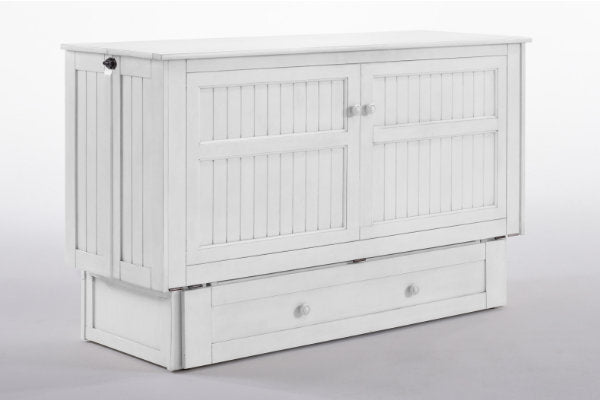
- Utilize a premium chest-style guest bed: Property owners looking to attract high-paying remote workers are upgrading their rooms with innovative hidden sleeping systems. Incorporating a freestanding Murphy bed cabinet design provides a large, sturdy surface perfect for a daytime laptop station or display area. When night falls, the cabinet opens smoothly to reveal a comfortable mattress, allowing the room to transition from an office to a bedroom in seconds.
- Maximize low-profile wall structures: Mount temporary drop-leaf desks or floating shelving units along empty walls to keep computing equipment off the main living surfaces. Vertical thinking ensures that walking paths remain open and clear.
Establishing Streamlined Digital Organization Habits
Physical clutter can accumulate incredibly fast when traveling, especially when your office supplies, laundry, and luggage share the exact same room. Mobile workers rely on strict organization routines to protect their mental clarity.
- Implement a strict cable management system: Use zippered tech pouches and velcro ties to corral charging cords, power bricks, and external hard drives. Keeping wires hidden prevents micro-layers of visual chaos from distracting you during meetings.
- Pack up the office every evening: Commit to a daily ritual where all work materials are packed away into a backpack at the end of your shift. Physically hiding the tools of your trade prevents work stress from bleeding into your evening relaxation time.
- Maintain a completely paperless workflow: Scan physical receipts, notes, and documents immediately using cloud-based mobile applications. Eliminating paper waste ensures your temporary workspace stays clean, minimal, and highly professional.
Conclusion
Creating a functional workspace while traveling is not about finding a massive room or carrying heavy office equipment across the globe. Instead, it is an exercise in adaptability, spatial intelligence, and choosing properties that embrace smart furniture solutions. By prioritizing your physical comfort, utilizing transforming items like cabinet wall-beds, and keeping visual clutter to an absolute minimum, you can build a highly productive sanctuary anywhere. Your career should support your passion for exploration, not hinder it. With an intentional setup, the entire world can become your office.