When most people think about dental health, they picture clean teeth and regular checkups. But behind the scenes, a quiet shift in health technology is reshaping how dentists approach something far more complex: your bite. At the center of this effort is Dr. Robert Kerstein, a retired prosthodontist and educator who is raising awareness about T-Scan, a digital tool that is changing how bite alignment is understood and addressed.
Beyond the Surface: Why Your Bite Matters
Your bite doesn’t just affect your teeth. Even when it looks perfectly aligned, subtle imbalances can affect much more, such as stress levels, jaw pain, and persistent headaches. According to Dr. Kerstein, your bite impacts much more than just your teeth—it can influence stress hormones like cortisol, contributing to headaches, tension, and TMJ discomfort.
This link between oral health and overall wellness highlights the importance of precise diagnostics.
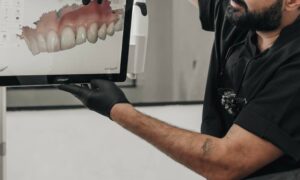
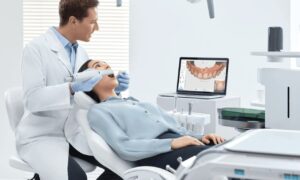
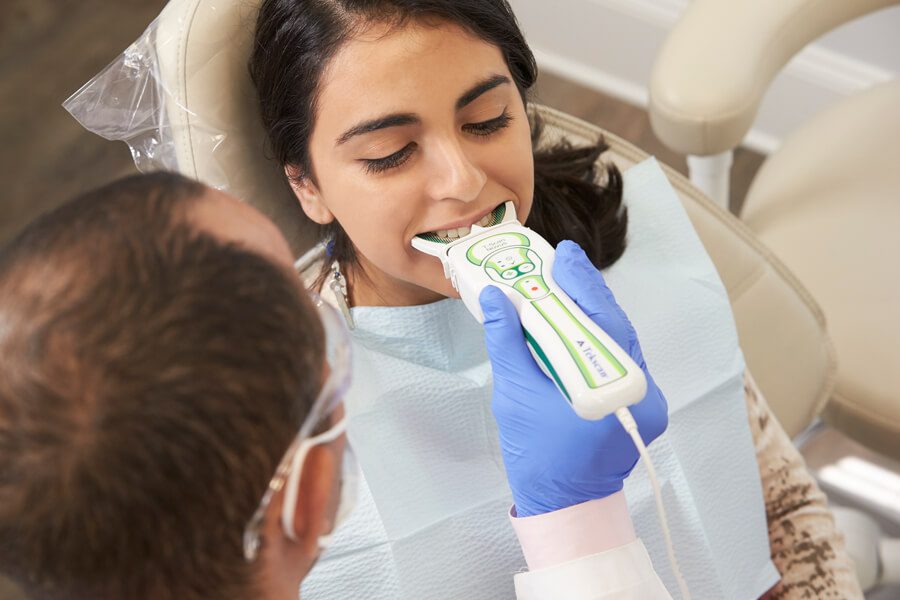
That’s where T-Scan comes in. Dentists use it in-office to measure the way your teeth come together in real time. Unlike traditional methods, which rely on inked paper strips, this digital system captures dynamic data that reveals the timing and force of your bite with greater accuracy.
The Limitations of Legacy Tools
For decades, articulating paper has been the standard for checking bite alignment. It leaves ink marks on the teeth, helping dentists identify contact points. But this method lacks detail. It shows where the teeth contact occurs, but not when, how hard, or for how long. That missing information can leave patients dealing with unresolved discomfort or recurring TMJ symptoms.
Dr. Kerstein explains that the T-Scan is helping dentists move beyond outdated tools like articulating paper, providing data that’s changing how we understand the bite. This move from guesswork to measurable insight allows clinicians to make better adjustments, improving both comfort and results.
How T-Scan Works
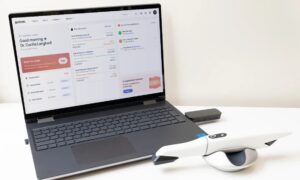
T-Scan technology uses a thin sensor that patients bite down on. The system records the timing and intensity of tooth contact, delivering instant visual feedback to the dentist. This allows them to fine-tune dental work, adjust restorations, and evaluate bite forces with more precision than was previously possible.
It also reveals patterns that might otherwise be missed; patterns that could be contributing to jaw tension, joint pain, or increased stress responses.
Supporting Patients and Practitioners Alike
The benefits go beyond the dentist’s chair. When bite alignment is corrected with greater accuracy, patients may find relief from symptoms they never associated with their mouth. Lower cortisol levels, fewer headaches, and reduced joint strain are just a few ways this tool may improve well-being.
Dentists also gain confidence that their adjustments are working. Real-time data allows for treatment plans that reflect the unique dynamics of each patient’s bite.
A Mission to Educate, Not Sell
Dr. Kerstein has no financial stake in T-Scan technology. His mission is to educate both consumers and dental professionals about the science behind bite health. He believes that better understanding leads to better care.
By encouraging greater awareness surrounding this digital tool, Dr. Kerstein hopes to see broader improvements in how dentistry approaches bite analysis. In his view, T-Scan offers more than just data; it supports better outcomes for patients and professionals alike.