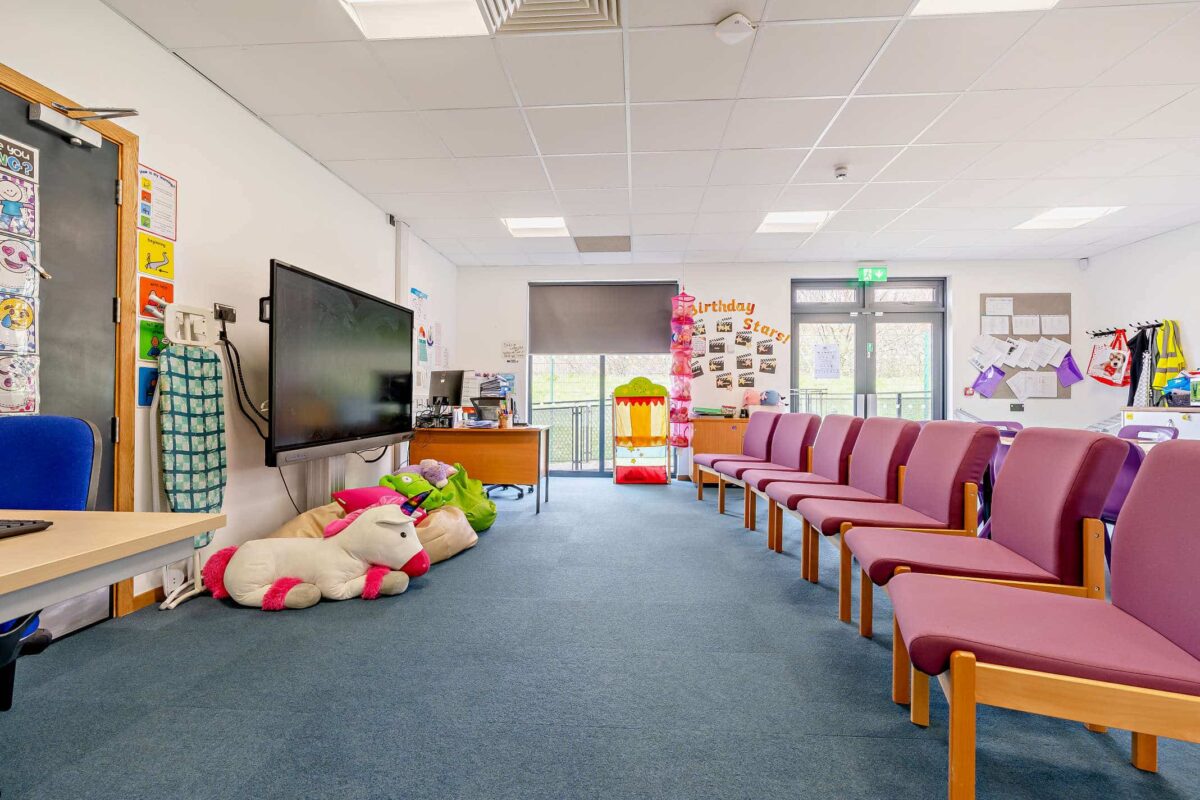
A supportive learning environment is essential for the development and success of students with Special Educational Needs (SEN). Modular SEN classrooms provide schools with a flexible and effective solution to expand or upgrade their facilities. These classrooms can be customised to meet the unique needs of SEND students, offering a safe, comfortable, and inclusive space where they can fully engage with their education.
When designing modular classrooms for SEN students, it is crucial to consider key elements such as accessibility, sensory needs, and flexibility. Schools should also take into account the planning process, long-term benefits, and the importance of collaboration in creating an optimal learning environment.
Why Choose Modular Classrooms for SEN Students?
Modular classrooms offer a practical solution for schools requiring additional or specialised learning spaces. Compared to traditional buildings, modular and portable structures are more cost-effective and can be installed much faster, making them ideal for time-sensitive projects. Modular SEN classrooms can be tailored to specific requirements, ensuring a positive and supportive learning experience for all students.
Key Benefits of Modular SEN Classrooms
- Customisable Design: Layouts tailored to accommodate sensory needs, accessibility, and specialised equipment.
- Speed of Installation: Faster construction timelines minimise disruption to school operations.
- Cost-Effectiveness: More affordable than permanent structures without compromising on quality.
- Flexibility: Easily expandable or reconfigurable to adapt to future needs.
- Sustainability: Built with eco-friendly materials and energy-efficient features, contributing to a greener school environment.
Key Design Considerations for SEN Modular Classrooms
To create an optimal learning environment for SEN students, the following design elements should be prioritised:
1. Accessibility and Inclusivity
Ensuring full accessibility is essential. Key features include:
- Step-free access with ramps and automatic doors.
- Wide doorways and corridors to accommodate mobility aids.
- Accessible toilets within or near the classroom.
- Height-adjustable furniture to support varying physical needs.
2. Sensory-Friendly Environments
Many SEN students, particularly those with autism or sensory processing disorders, are highly sensitive to their surroundings. A sensory-friendly modular SEN classroom should include:
- Soft, natural lighting with dimmable options to reduce glare.
- Acoustic insulation to minimise noise disturbances.
- Calming colour schemes using muted tones and natural hues.
- Quiet zones or breakout areas for self-regulation.
- Textured wall panels to provide sensory engagement for students who benefit from tactile stimulation.
3. Flexible Layouts
A modular classroom designed for SEN students should offer flexibility to accommodate different learning styles and activities. Considerations include:
- Zoning areas for group work, individual study, and sensory breaks.
- Moveable partitions for adaptable space use.
- Ample storage for learning aids and sensory tools.
- Separate therapy spaces for one-on-one support sessions.
4. Safety and Security
Safety is a top priority when designing SEN classrooms, particularly for students with additional vulnerabilities. Important features include:
- Rounded furniture edges to prevent injuries.
- Non-slip flooring for secure movement.
- Secure exits with controlled access for safety.
- Clear visibility for staff supervision.
- Calm rooms with soft furnishings for de-escalation when needed.
5. Incorporating Assistive Technology
Technology plays a vital role in supporting SEN students. Modular classrooms can be equipped with:
- Interactive whiteboards for engaging, multisensory lessons.
- Hearing loops for students with hearing impairments.
- Adjustable-height desks to support physical accessibility.
- Communication boards for non-verbal students.
Planning and Collaboration for SEN Modular Classrooms
Creating effective modular SEN classrooms requires collaboration between architects, educators, and specialist consultants. Key steps for success include:
- Conducting Needs Assessments: Engaging SEN coordinators and staff to understand student requirements.
- Involving Occupational Therapists: Ensuring design elements align with therapeutic goals.
- Training Staff: Providing educators with resources and training to maximise the use of space and equipment.
Long-Term Benefits of Modular SEN Classrooms for Schools
Modular classrooms designed for SEN students provide numerous long-term benefits:
- Enhanced Learning Environments: Tailored to individual student needs, promoting better engagement and outcomes.
- Quick Expansion: Ideal for accommodating growing student populations or temporary needs.
- Sustainable Construction: Built with eco-friendly materials and energy-efficient features.
- Long-Term Value: Durable and adaptable, ensuring lasting benefits.
- Future-Proof Design: Flexible enough to evolve with changing educational standards and student needs.
Real-World Application: Salutem Care & Education SEN Classroom
Ingfield Manor School approached PF Modular to provide SEN classrooms for their site in West Sussex, responding to a growing demand for SEND placements in the area.
By following BB104 guidance for SEND and alternative provisions, the new classrooms were designed to meet diverse student needs. Features included partition windows, doors, and walls that increased the decibel rating (dB) for improved acoustics. Additionally, an acoustic-suspended ceiling was installed to reduce sound reverberation, creating a more comfortable environment for students with sensory sensitivities.
PF Modular worked closely with the school to ensure minimal disruption during the installation process while delivering a high-quality educational facility for SEN students.
SEN Classrooms from PF Modular
Designing modular classrooms for SEN students requires thoughtful planning and a focus on accessibility, sensory considerations, and flexibility. By choosing modular SEN classrooms, schools can provide tailored learning environments that support students’ needs while benefiting from the efficiency and cost-effectiveness of modular construction.
If your school is considering modular classrooms for SEN purposes, our expert team can help you create a space where every student can thrive. Contact us today to learn more about our bespoke modular solutions for the education sector.