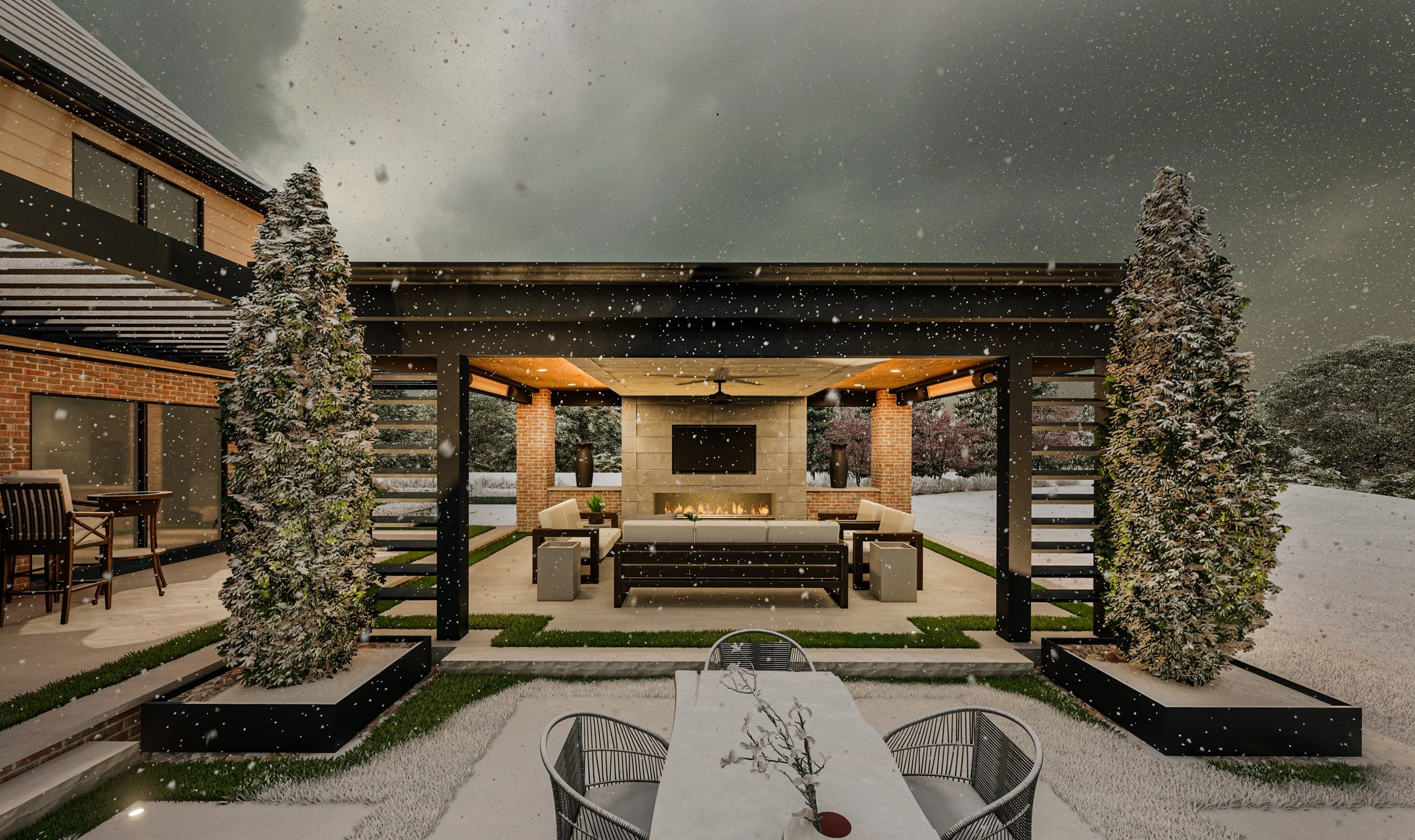
Creating a functional and inviting backyard is no longer just about placing a few chairs on a slab of concrete. Homeowners today want spaces that extend daily living outdoors while remaining practical across changing seasons. A well-planned outdoor living space balances comfort, durability, and usability rather than focusing on appearance alone.
Many people begin with inspiration photos, but real success comes from understanding how the space will actually be used. Cooking, entertaining, relaxing, and storage needs all influence design decisions. Companies such as The Grate Outdoors help homeowners think beyond trends and focus on layouts that support everyday use.
When planning is done correctly, outdoor areas become true extensions of the home. Thoughtful design choices allow homeowners to enjoy their yards more often and with less maintenance frustration over time.
Defining how the space will be used
The first challenge homeowners face is defining the primary purpose of their outdoor area. Some want a place to host gatherings, while others prioritize quiet relaxation. Without clarity, the space can end up feeling disjointed or underused.
Cooking is a major factor for many households. Outdoor kitchens require access to utilities, safe clearances, and durable materials that handle heat and weather. Planning for these needs early prevents costly changes later.
Seating, dining, and open circulation space should also be considered together. A layout that supports movement and comfort will always outperform one that simply looks appealing on paper.
Choosing the right patio foundation
An outdoor patio serves as the base for nearly every feature built above it. Selecting the right materials and layout determines how the space performs over time. Poor foundations often lead to cracking, drainage issues, and uneven surfaces.
Climate and soil conditions play a large role in this decision. Materials must withstand temperature changes, moisture exposure, and foot traffic without excessive maintenance. Proper grading ensures water flows away from the home and prevents pooling.
A well-built patio creates stability for furniture, cooking equipment, and decorative elements. It also defines the overall shape of the outdoor area, influencing how other features fit together.
How hardscaping shapes usability
Hardscaping elements provide structure and organization within an outdoor environment. Walkways, retaining walls, and built-in seating help guide movement and define zones without overcrowding the space.
When designed correctly, these features reduce maintenance by minimizing erosion and protecting planted areas. They also improve accessibility, making the yard safer and easier to navigate.
Hardscaping should support the intended use of the space rather than dominate it. Balanced designs integrate solid elements with open areas to maintain comfort and visual appeal.
Planning for weather and shade
One of the most common complaints about outdoor spaces is limited usability during extreme weather. Without shade or protection, even well-designed areas may sit unused for much of the year.
Shade structures, pergolas, and covered zones help regulate temperature and protect surfaces. Placement matters, as improper orientation can block airflow or trap heat.
Wind exposure and drainage should also be considered. Strategic placement of walls or screens improves comfort without enclosing the space too tightly.
Lighting that supports evening use
Lighting is often treated as an afterthought, yet it dramatically affects how outdoor areas function after sunset. Poor lighting can make spaces feel unsafe or uninviting.
Task lighting is especially important near cooking and dining areas. Pathway and accent lighting improve visibility while highlighting design features.
A layered lighting approach ensures the space remains usable and comfortable during evening hours without feeling overly bright or harsh.
Integrating cooking and dining areas
Outdoor kitchens work best when they are positioned thoughtfully within the layout. Distance from indoor kitchens, seating areas, and utility access all influence convenience.
Ventilation is a key concern. Smoke and heat should be directed away from seating and entry points. Adequate counter space and storage improve efficiency and reduce clutter.
Dining areas should feel connected but not cramped. Comfortable spacing allows guests to move freely and enjoy the environment.
Material choices that last
Outdoor environments demand materials that withstand sun, moisture, and temperature changes. Choosing finishes based on appearance alone often leads to premature wear.
Slip resistance, heat absorption, and ease of cleaning are practical considerations that affect daily use. Surfaces that remain cool and safe underfoot improve comfort significantly.
Long-lasting materials reduce maintenance demands and preserve the look of the space over time.
Working with a patio installer
Professional planning and installation help avoid many common mistakes. An experienced patio installer understands how to balance design goals with structural requirements.
Clear communication about expectations, usage, and budget allows for better outcomes. Detailed planning reduces surprises and ensures the finished space matches the homeowner’s vision.
Proper installation also protects the investment by ensuring all components are built to withstand long-term use.
Creating flow between indoor and outdoor areas
The most successful outdoor living spaces feel like natural extensions of the home. Transitions between indoor and outdoor areas should be smooth and intuitive.
Door placement, flooring alignment, and sightlines all contribute to this connection. When movement feels effortless, the space is used more often.
Designing with flow in mind enhances both functionality and overall enjoyment.
Maintenance considerations homeowners overlook
Even the best designs require upkeep. Understanding maintenance needs upfront helps homeowners make realistic choices.
Sealed surfaces, accessible drainage, and durable finishes simplify care routines. Planning for storage reduces clutter and protects furnishings.
A manageable maintenance plan ensures the space remains enjoyable rather than becoming a burden.
Long-term value of thoughtful design
Well-designed outdoor spaces add more than visual appeal. They improve daily living and increase property value when built with intention.
Spaces that function well across seasons are more likely to be used consistently. This usability creates lasting satisfaction rather than short-term excitement.
The Grate Outdoors focuses on creating outdoor environments that balance design, durability, and everyday practicality, helping homeowners enjoy spaces that truly work for their lifestyles.
Read More From Techbullion