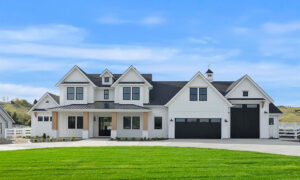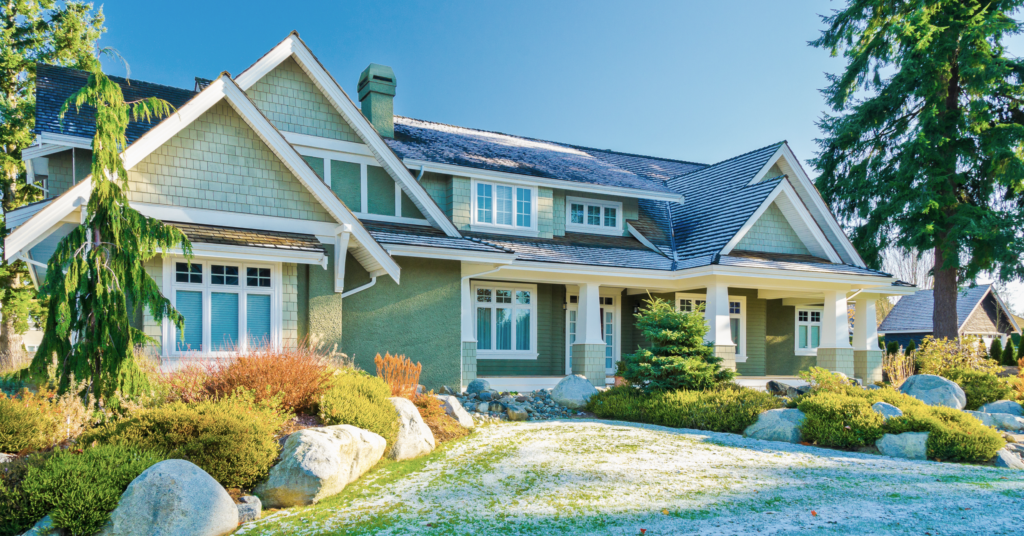
Atlanta’s residential identity is defined by a unique combination of topography and historical influence. From the rolling, wooded lots of the Northside to the refined, established neighborhoods within the city limits, building a custom home in this region requires an approach that respects the environment as much as the owner’s personal aesthetic. Unlike developments that prioritize uniformity, the custom market in Atlanta focuses on site-specific architecture houses designed to breathe with the climate rather than fight against it.
The Evolution of Atlanta Residential Architecture
For decades, the city was dominated by traditional, stately designs. However, the current shift toward luxury custom homes in atlanta reflects a more transitional influence. Modern residents are increasingly seeking homes that offer clean lines, expansive indoor-outdoor connections, and high-performance building materials, all while maintaining the warmth and scale that define the local aesthetic. This is not a move away from the traditional, but rather an evolution where heavy cornices and ornate trim are being replaced by subtle textures, floor-to-ceiling glass, and purposeful minimalism.
Navigating the Physical and Regulatory Landscape
Construction in the metropolitan area presents a specific set of challenges that dictate the project’s trajectory from the start. Understanding these factors is essential for any successful build.
Topography and Foundation Design
Atlanta is characterized by its hilly terrain. While this topography allows for dramatic views and unique walk-out basement configurations, it demands rigorous geotechnical engineering. Foundations must be engineered to account for the region’s prevalent clay soils and significant grade changes. A home that is not properly integrated into the slope will inevitably face issues with water intrusion and structural settling over time.
Zoning and Municipal Nuances
The regulatory environment in the metro area can be complex. Each municipality and often, each specific neighborhood maintains its own set of ordinances regarding setbacks, tree preservation, and impervious surface coverage. The approval process for a new construction project is often less about the blueprints themselves and more about proving how the project contributes to the existing character of the streetscape. Navigating these requirements demands a high level of institutional knowledge regarding local planning commissions and historic district guidelines.
Material Longevity in a Temperate Climate
The Atlanta climate is defined by high humidity and significant seasonal temperature swings. A well-built home here must prioritize a high-performance building envelope. This means selecting materials that are not just aesthetically pleasing but also durable enough to withstand the humidity that accelerates rot and mold in lesser structures.
Copper flashing, high-density exterior cladding, and impact-resistant glazing are becoming standard specifications rather than upgrades. The goal is to create a structure that ages gracefully, maintaining its integrity despite the wet springs and hot, lingering summers.
The Importance of Professional Synergy
The most successful projects are marked by a seamless collaboration between the architect, the interior designer, and the construction team. Because of the technical difficulty involved in executing high-end architectural plans, the quality of the build team is the single most significant factor in determining the outcome.
When vetting luxury home builders in atlanta, it is essential to prioritize those who demonstrate a clear understanding of site management. A builder should be able to explain how they intend to handle drainage, site access, and material staging well before the first shovel hits the ground. The difference between a project that runs smoothly and one that encounters constant friction often comes down to the depth of the builder’s local experience.
Common Considerations for Prospective Homeowners
How does the lot size influence the build?
In urban areas like Buckhead or Brookhaven, space is at a premium. Designs here often prioritize verticality and the efficient use of courtyards, whereas projects further out in the suburbs allow for horizontal sprawling floor plans that emphasize the relationship with the surrounding woods.
What is the role of modern energy systems in a custom build?
Today’s luxury projects are increasingly integrating passive house principles such as enhanced thermal bridging and advanced ventilation systems to ensure the home is efficient without relying solely on aggressive climate control.
Is it possible to modernize a traditional aesthetic?
Absolutely. Many homeowners choose to retain the classical proportions of a traditional Southern home while utilizing modern, low-maintenance materials and open-concept layouts that facilitate contemporary entertaining.
Building in Atlanta is ultimately about striking a balance. It requires the foresight to respect the region’s natural geography and regulatory traditions, while maintaining the courage to push the design toward a more functional, modern future.