
Decorative Concrete Supplies: A Guide to Choosing the Right Products

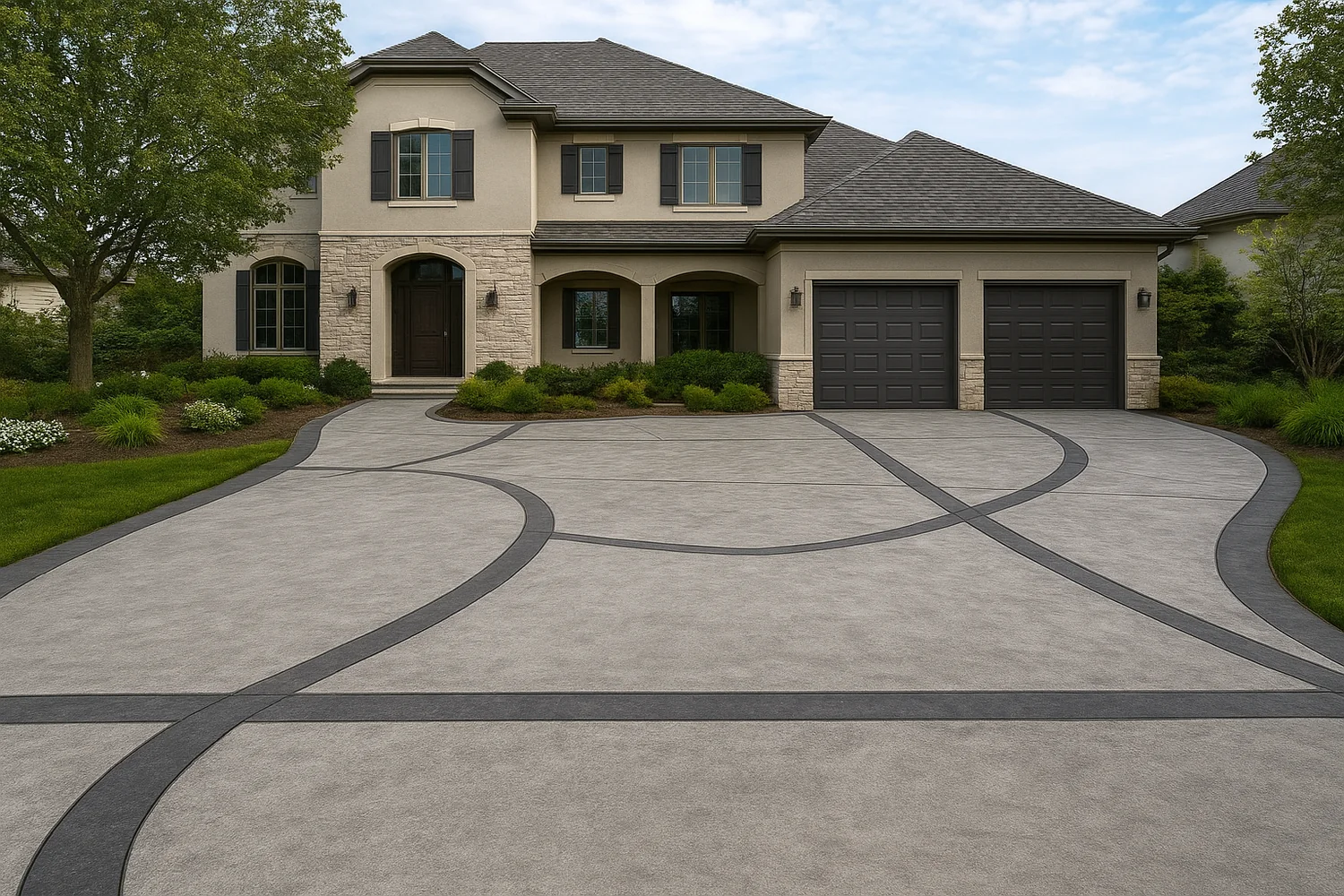
Decorative concrete supplies include overlays, stains, colorants, coatings, sealers, stamping tools, texture products, and surface preparation materials used to change the appearance, texture, or finish of concrete. Choosing the right products starts with the condition of the concrete, where the surface is located, how it will be used, and the finish you want to create.
Each product has a different role in the project. Some prepare or repair the existing concrete, while others add color, create patterns and textures, form a finished coating, or protect the completed surface. The products also need to match the intended application and, when used together, be compatible with the overall system.
This guide covers the main types of decorative concrete supplies, where they are commonly used, and what to consider before buying.
What Are Decorative Concrete Supplies?
Decorative concrete supplies are materials, products, and tools used to prepare, repair, color, texture, finish, or protect concrete surfaces. Some are applied directly to the concrete, while others are used during surface preparation, installation, or finishing.
Common options include:
- Surface preparation and repair products
- Concrete overlays
- Concrete stains, pigments, and colorants
- Concrete coatings
- Decorative concrete sealers
- Stamping mats and tools
- Stencils and texture products
Common Types of Decorative Concrete Supplies
Surface Preparation and Repair Products
Before applying an overlay, coating, stain, or sealer, the concrete may need cleaning, repair, grinding, or other preparation. The products and equipment required depend on the condition of the slab and the decorative system being installed.
Check the manufacturer’s preparation requirements before choosing materials. Some systems require a particular surface profile, cleaner, primer, repair material, or other preparation step before the decorative product is applied.
Concrete Overlays
An overlay can give an older concrete surface a new look without replacing the entire slab. It is commonly used on patios, walkways, pool decks, and other suitable surfaces.
Before applying an overlay, take a close look at the existing concrete. Loose sections, major movement, or serious structural damage should be dealt with first. An overlay can improve the appearance of a surface, but it cannot replace proper repairs when the underlying concrete has significant problems.
Concrete Stains and Colorants
Stains and colorants add color to concrete while supporting different decorative styles. Depending on the system, color may come from acid stains, water-based stains, pigments, integral color, color hardeners, or release colors used with stamped and other decorative concrete applications.
The finished appearance can vary based on the product as well as the concrete’s age, texture, porosity, and existing color. Check the manufacturer’s application requirements and, when appropriate, test a small area before completing the full project.
Concrete Coatings
Concrete coatings create a finished layer over the surface and are commonly used on garage floors, commercial floors, and other concrete areas where added protection and a specific appearance are desired. Depending on the project, coating systems may include epoxy, polyaspartic, or polyurethane products.
Before choosing a coating, check the condition and intended use of the concrete, along with the manufacturer’s requirements for surface preparation, application conditions, cure time, and compatible primers or topcoats.
Concrete Sealers
A sealer is generally applied after the decorative work is finished. It helps protect the surface and can also affect its final appearance, from a natural or matte look to a glossier finish.
The location of the concrete is important when choosing a sealer. A product made for an interior floor may not be suitable for a driveway or pool deck. Check that the sealer is compatible with the decorative products already used on the surface.
Stamping Mats and Tools
Stamped concrete can be used to create patterns that resemble slate, brick, stone, or tile. Stamping mats press the chosen pattern into the concrete while it is at the right stage for stamping.
The pattern you choose should also suit the space. A simple design may work well on one property, while a more detailed pattern might suit another.
Stencils and Texture Products
Stencils can be useful for creating borders, repeated patterns, or smaller decorative details. Texture products can add another layer of visual interest and help give the concrete a finish that is less plain than a standard smooth surface.
How to Choose the Right Decorative Concrete Supplies
Choosing decorative concrete supplies starts with the surface itself. The condition of the concrete, where it is located, how it will be used, and the finish you want all affect which products are appropriate for the project.
Check the Surface and Its Environment
Look at the existing concrete before choosing an overlay, coating, stain, or other decorative material. Cracks, loose material, contamination, or moisture may need attention before decorative work begins. Location matters too. Outdoor concrete faces sunlight, rain, moisture, and temperature changes that an interior floor may not experience.
Consider How the Surface Will Be Used
A walkway primarily handles foot traffic, while a driveway regularly carries vehicles. Pool decks have wet conditions to consider, and garage or commercial floors may face different types of wear. The intended use should be considered alongside the color, pattern, texture, and sheen you want for the finished surface.
Make Sure the Products Work Together
Decorative concrete products often work as parts of a system rather than as separate purchases. A project may move from cleaning and repair to primer, overlay or coating, decorative color, and sealer. Check the manufacturer’s documentation to confirm that products used at each stage are compatible with one another and with the existing concrete. Also review surface preparation, application temperature, coverage, equipment, curing, and return-to-service requirements before buying.
Decorative Concrete Supplies for Different Projects
Patios and Walkways
Patios and walkways leave plenty of room for decorative options. Stains, overlays, stamped patterns, and textured finishes can all give a plain concrete slab a completely different appearance.
Pool Decks
Pool decks need a little more attention because water is constantly part of the environment. Choose products made for outdoor use and think about the finished texture and traction. The product should also be compatible with the existing concrete and suitable for the amount of use the deck receives.
Driveways
A driveway needs materials that can handle regular vehicle traffic as well as outdoor conditions. Appearance is important, but durability should come first. Stamped patterns, color, and a compatible protective sealer can improve the look without making the surface difficult to maintain or impractical for everyday use.
Interior Floors
Decorative concrete can also work well in garages, homes, retail spaces, and other indoor areas. Stains, overlays, and sealers can create anything from a clean, simple finish to a more distinctive decorative surface.
Why Surface Preparation and Product Compatibility Matter
Surface preparation can matter just as much as the decorative product being applied. Dirt, oil, loose material, and moisture can interfere with adhesion and affect the finished surface.
Product compatibility matters as well. Combining products without confirming that they are designed to work together can affect application and performance. Check the manufacturer’s instructions for surface preparation, mixing, application, drying, and curing before using the products.
Where to Find Decorative Concrete Supplies
When a project requires several materials, look for a supplier that provides clear product information, application guidance, coverage details, and technical documentation. This makes it easier to compare products and check whether they fit the surface and decorative system being used.
Contractors and homeowners can browse product categories and technical information from The Decorative Concrete Store when comparing materials for decorative concrete projects.
Before ordering, review the product’s intended use, coverage, surface compatibility, application requirements, and manufacturer instructions. Coverage information can also help estimate how much material may be needed for the project.
FAQs
What are decorative concrete supplies used for?
Decorative concrete supplies are used to add color, patterns, texture, finishes, or protection to concrete. Common examples include overlays, stains, colorants, coatings, sealers, stamping tools, stencils, and surface preparation materials.
Can decorative concrete products be used on existing concrete?
Yes. Many decorative products can be used on existing concrete when the surface is suitable for the intended system and properly prepared. Check the product requirements and address any necessary cleaning or repairs before application.
What supplies are needed for stamped concrete?
Stamped concrete projects commonly use stamping mats, color products, release materials, finishing tools, and a compatible sealer. The exact materials depend on the stamping system and desired finish.
How do I know which decorative concrete products work together?
Check the manufacturer’s product information for compatibility between cleaners, repair materials, primers, overlays or coatings, color products, and sealers. Do not assume that products from different systems can be combined without checking first.
Are decorative concrete products suitable for outdoor use?
Many decorative concrete products are made for outdoor applications, but product requirements vary. Check the manufacturer’s recommendations for exterior use and consider the surface’s exposure to sunlight, moisture, temperature changes, and traffic.
How can I maintain decorative concrete?
Maintenance depends on the decorative system and how the surface is used. Regular cleaning can remove dirt and surface buildup, while some finishes may require periodic resealing or other maintenance according to the manufacturer’s recommendations.







Comment