Lotta Glybotskaia’s career traces a rare arc from contemporary art to creative direction, and from client-led branding to fully independent cultural production. In this interview with TechBullion, she reflects on how two decades of experience in design, strategy, and production became the foundation for author-led publishing projects that blend artistic research with commercial viability. From award-winning, intuition-driven crowdfunding launches to building a global community of engaged backers, Glybotskaia shares how meaning, symbolism, and rigorous execution can coexist within niche products. She also discusses her evolution into publishing other creators’ work and developing technological tools to support sustainable independent practice, revealing a holistic vision of cultural entrepreneurship where art, systems, and long-term value intersect.
You began your career as a contemporary artist and spent many years working as an art director and creative director. How did this experience lead you to create your own author-led and publishing projects?
For over twenty years, I worked as an art director and creative director, focusing on branding, advertising, and product development for external clients. In this role, I was involved in projects at every stage, from naming and visual identity to marketing strategy, production, and the development of web projects, applications, and large-scale events. Throughout all of this, I remained an artist, and it was always important to me to connect artistic thinking with practical execution. At a certain point, I realized that I wanted to apply this entire range of experience not to client work, but to my own projects, fully controlling the process from the initial idea through production, packaging, and market launch. This marked my transition from service-based work to creating independent author-led and publishing projects.
Over the past few years, you have launched several crowdfunding projects. Can you talk about the scale of these launches and their results?
To date, I have launched four crowdfunding projects, all of which were successfully funded. The total amount raised across these campaigns is close to $300,000. For me, this is an important indicator that author-driven, niche products can find strong demand on the international market when they are thoughtfully developed, positioned, and presented to the right audience. These projects became a space where I could apply all of my competencies simultaneously, artistic, design, publishing, marketing, and production skills. Each successfully funded campaign provides clear confirmation that this experience truly works and leads to tangible, measurable results. Unlike client projects, which sometimes never reach release due to external constraints, here I see the full cycle, from idea to a finished product and an engaged, living audience.
Your first Kickstarter project was funded without any advertising spend, and one of the decks you created later received a professional award. How do you explain this initial success and subsequent recognition?
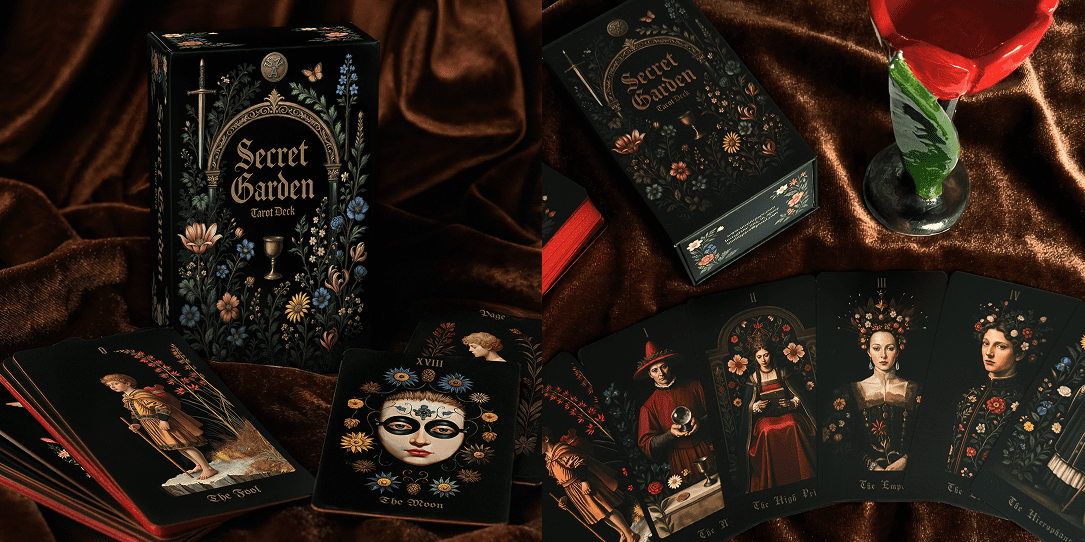
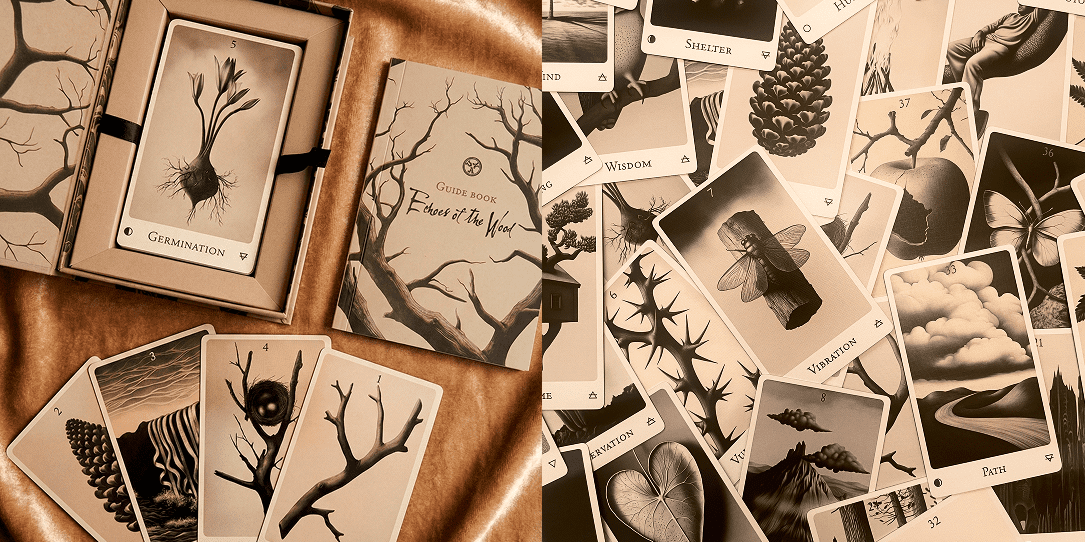
My first project raised around $37,000 without any advertising investment. When I started working on it, I consciously chose not to follow established conventions in the field and relied largely on intuition and my own sense of what the project should be. It was important for me to create it in a way that I personally would want to see it, without adapting to existing templates. Beyond the visual component, I wrote a full book to accompany the Tarot deck, creating an entire world and narrative around the card characters. Later, the deck received a professional award in its category, which confirmed not only its commercial success but also its cultural recognition. For me, this was an important signal that combining an artistic approach, intuitive authorial decisions, and product-oriented thinking can truly work.
Over time, you began working not only on your own projects but also publishing decks by other authors. Why was it important for you to step into this role, and what do you offer authors as a publisher?
After several successful launches, I realized that I could use my experience to support other authors. Many talented artists and illustrators lack experience in advertising, publishing, and production, and often do not have an established, engaged community around their work. As a publisher, I take responsibility for project packaging, launch strategy, production, logistics, and audience engagement. Over the years, I have built a community of people who are willing to support author-led projects at an early stage. In essence, these are micro-investors, and I act as a bridge between the author and the audience, helping ideas find a clear path to realization.
Many of your projects demonstrate a strong research-driven and cultural approach. Why is it important for you to work with history, symbolism, and nontraditional formats, even in commercial products?
I work with formats such as Tarot and oracle decks, which have deep historical and cultural roots. For me, it is not enough to create a visually appealing object, it is essential to understand where these symbols, myths, and meanings come from. A significant part of my audience consists of collectors and people who are genuinely interested in history, the origins of imagery, and cultural context.
Here, I draw directly on my background as a conceptual artist: I work with myth, history, and symbolism, adding the most important layer to visual aesthetics, meaning. I see this approach as a form of cultural entrepreneurship, where a commercial product becomes a way to engage thoughtfully with cultural heritage rather than simply an object of consumption. This research-based, author-led approach makes projects more substantial and long-lasting, allowing them to exist beyond short-term trends, even when realized in a commercial format.
You work across different formats, from publishing projects to technological solutions. How does artistic thinking help you identify new product ideas and growth opportunities where others might not see them?
As an artist, I am used to working with images, metaphors, and unconventional connections. In practice, I usually begin to see problems when I immerse myself in a new field and encounter the limitations of existing products as a user. That personal experience becomes the starting point for identifying opportunities.
From there, experimentation and artistic thinking allow me to move beyond standard approaches. After that phase, I approach the idea as a researcher and product developer, testing feasibility, calculating costs, required resources, and potential risks. This sequence, from personal user experience to experimentation and then to precise execution, has become my working model. It enables me to create unconventional yet viable products and consistently bring them to tangible results.
Through your work with crowdfunding, you began developing a SaaS service for creators. Who is this product primarily designed for, and what problem does it address?
This SaaS product is designed primarily for independent creators and small studios, who make up the core audience of crowdfunding platforms but do not have the resources of large publishers or fulfillment companies. These are creators who typically raise relatively modest budgets and are often forced to manage their projects on their own once the campaign ends.
I identified a systemic problem: between a successful fundraising campaign and the actual delivery of the product lies a complex, poorly structured process that most creators are not prepared for. My product is aimed at closing this gap and making the post-campaign phase manageable and predictable.
What sets your service apart from existing solutions, and how does it help creators manage fulfillment and shipping?
Unlike existing fragmented tools that address only isolated tasks, my service builds a unified post-campaign project management framework. It brings together fulfillment tracking, logistics, address management, delivery status updates, and communication with backers within a single interface.
In addition, the service helps creators select the most efficient and cost-effective shipping options, which is important both for creators themselves and for their audiences. As a result, creators gain a transparent system of control rather than a collection of disconnected actions, allowing them to manage their projects as cohesive products rather than as a series of manual operations.
How do you think tools like this can influence the long-term development of independent creators and small publishing studios?
Tools like this allow creators to move away from a constant survival mode toward sustainable growth. When operational processes are properly structured, creators gain the capacity to focus on developing new projects, improving product quality, and planning for long-term growth. Over time, this can significantly reshape the independent publishing and crowdfunding ecosystem, making it more professional, resilient, and sustainable.
Today you combine the roles of artist, publisher, and product entrepreneur. How do you see the future development of your project ecosystem?
Today, I consciously choose not to limit myself to a single direction. The international market is in a state of ongoing instability, and for me it is important to build a flexible ecosystem of projects rather than rely on one format or product.
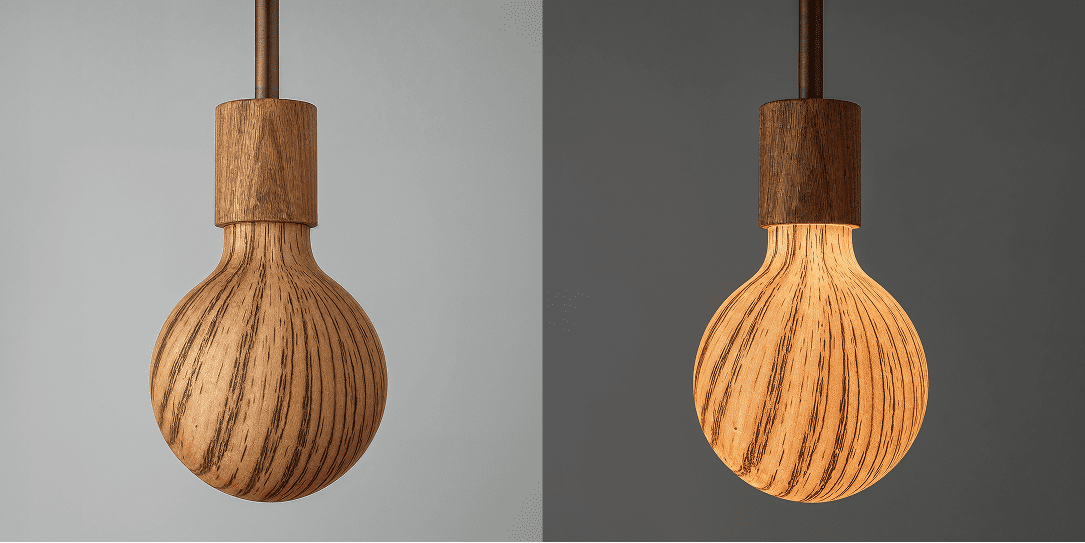
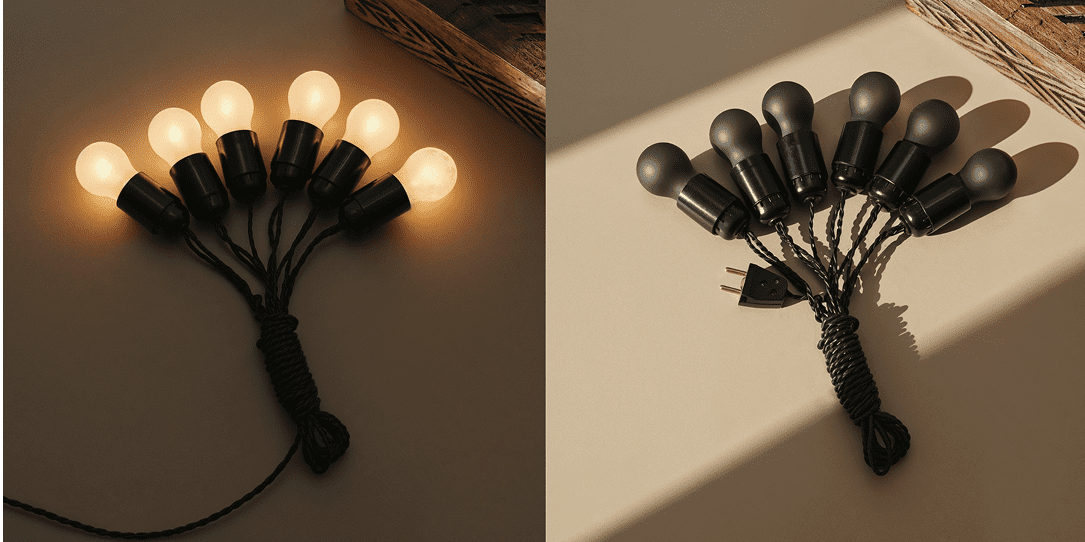
I develop several directions in parallel, from publishing and print-based projects to decorative lighting and digital solutions, including technological tools for creators. These projects may differ in form, but they are united by a shared creative approach and practical value for independent artists and creators, since I am part of this community myself.
My goal is to create products and systems that carry cultural value, remain commercially sustainable, and support the growth of an independent creative ecosystem. Regardless of whether a project is physical or digital, it is important to me that each one is intentional and contributes meaningfully to the cultural context.