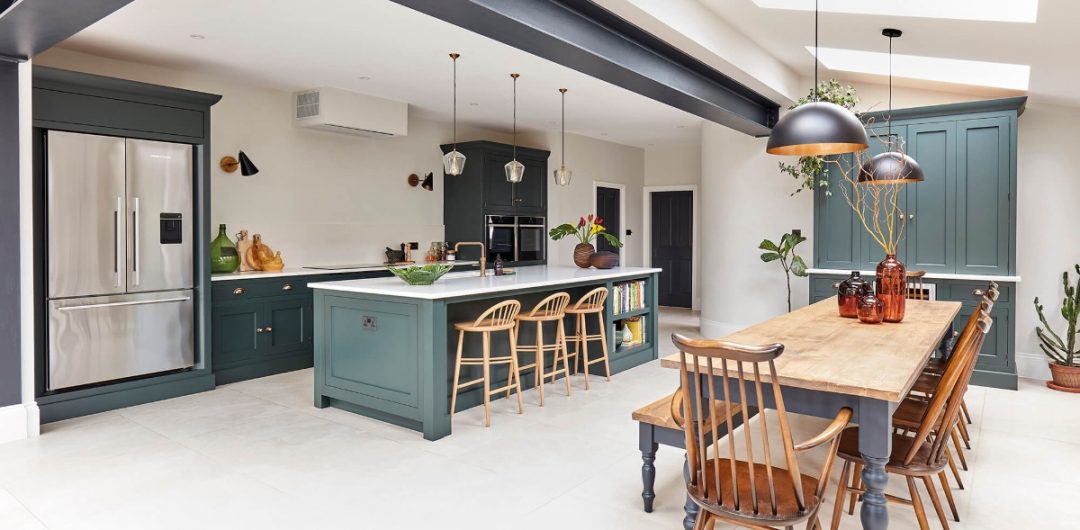
Open floor plans have dominated residential design for the past two decades, and their popularity shows no signs of waning. The appeal is obvious: spaces feel larger, natural light flows freely, and families can interact across rooms without physical barriers. Parents can prepare dinner while watching children play, conversations continue seamlessly from kitchen to living area, and entertaining feels effortless when spaces connect visually and physically.
However, the openness that makes these layouts so appealing also presents unique challenges. Without walls to define purpose, open spaces can feel chaotic and unfocused. Noise travels freely, clutter lacks natural boundaries, and family members sometimes struggle to find quiet spots for focused activities. The key to making open floor plans work for families lies in creating distinct zones that provide structure without sacrificing the openness you love.
Understanding Zoning Principles
Effective zoning in open floor plans relies on visual and functional cues rather than physical walls. Each zone should have a clear purpose, appropriate furniture, and subtle boundaries that signal its function without blocking sightlines or interrupting flow.
Think about your family’s daily rhythms. Where do children naturally gravitate for play? Where do you need quiet space for homework or reading? Which areas get the most traffic? Understanding how your family actually uses the space—not how you think you should use it—informs smart zoning decisions.
Successful zones feel connected to the larger space while maintaining their own identity. They should relate to adjacent areas through color, style, or materials while having distinct characteristics that define their purpose.
The Kitchen as Command Center
In open floor plans, kitchens inevitably become the household hub. Family members congregate here not just for meals but for homework, socializing, and daily life management. Recognizing this reality allows you to design accordingly.
An island or peninsula naturally defines the kitchen boundary while providing seating that bridges kitchen and living areas. People can gather on the living room side while the cook works on the kitchen side, maintaining connection without crowding the work zone. Islands with different counter heights create visual separation—standard height for food prep on the kitchen side, bar height for casual dining on the social side.
Modern San Francisco kitchen remodeling projects and similar renovations frequently incorporate zones within the kitchen itself: a primary cooking zone with the range and prep surfaces, a baking station with ample counter space and ingredient storage, and a beverage area with the refrigerator, coffee maker, and glassware. These micro-zones within the kitchen create efficiency while supporting multiple simultaneous activities.
Storage solutions that hide visual clutter maintain the clean aesthetic open plans demand. Appliance garages, pull-out pantries, and deep drawers keep counters clear, essential when your kitchen is always on display to adjacent living spaces.
Dining Areas That Adapt
Dedicated dining zones in open plans need to serve multiple purposes. Yes, they host family dinners, but they also become homework stations, craft areas, and catch-all spaces for daily life.
Position dining tables to define space without blocking circulation. A rug grounds the dining area, creating a visual boundary that signals “this is where we eat” while protecting floors from inevitable spills. Choose rugs large enough that chairs remain on them even when pulled out—a rug that’s too small looks awkward and defeats the purpose.
Lighting powerfully defines dining zones. A statement chandelier or pendant light centered over the table creates an obvious focal point and makes the dining area feel special even when it’s part of a larger room. Dimmer switches allow you to adjust the mood from bright task lighting for homework to softer ambiance for dinner.
Consider furniture that adapts to changing needs. Extendable tables accommodate both everyday family meals and larger gatherings. Benches provide flexible seating and tuck away neatly when not needed.
Living Zones for Different Activities
A single “living room” in an open floor plan often needs to support multiple, sometimes conflicting activities. Creating sub-zones within the living area allows family members to coexist peacefully while pursuing different activities.
Furniture arrangement defines zones more effectively than any other tool. Float furniture away from walls to create distinct groupings. A sofa and chairs arranged for conversation create a social zone. A reading chair with good lighting and a small side table in a corner establishes a quiet retreat. Even in modest spaces, thoughtful furniture placement creates functional diversity.
Area rugs anchor these sub-zones beautifully. In a large open room, multiple rugs can define different purposes: one under the main seating area, another creating a play zone for children, perhaps a third defining a small workspace. Ensure rugs relate to each other through color or style so they feel cohesive rather than random.
Bookcases and open shelving units can subtly separate zones without blocking light or views. A low bookcase positioned behind a sofa creates a gentle boundary between living and dining areas while providing display space and storage. Taller units might separate a home office zone from the main living area, offering privacy without complete isolation.
Kid Zones That Coexist With Adult Spaces
Children need spaces to play, and in open floor plans, that often means play areas are visible from everywhere. The challenge is creating functional play zones that don’t overwhelm your home’s aesthetic.
Designate a specific area for toys and children’s activities. This might be a corner of the living room, a nook under stairs, or an alcove. Having a defined space for kid stuff contains the chaos and makes cleanup more manageable—everything goes back to the kid zone, not scattered throughout the entire open area.
Storage is absolutely critical. Low bins and baskets that children can access independently encourage cleanup participation. Choose storage that fits your overall design—woven baskets, wooden crates, or modern bins in neutral colors blend better than primary-colored plastic.
Consider a low table and chairs scaled for children in their designated zone. This gives them an appropriate workspace for crafts, puzzles, and snacks while keeping these activities contained. When positioned thoughtfully, children’s furniture can even add charm to a space rather than detracting from it.
As children grow, these zones evolve. A toddler play area becomes a homework station, then perhaps a teen hangout spot. Flexible zoning grows with your family.
Quiet Zones in Noisy Spaces
One disadvantage of open floor plans is noise. Kitchen sounds, television audio, and conversation all blend together. Creating quieter zones within the openness serves important needs.
Soft materials absorb sound. Upholstered furniture, heavy curtains, plush rugs, and fabric wall hangings all reduce noise bounce. A reading corner with a comfortable chair, soft rug, and bookshelf creates a naturally quieter retreat.
Strategic positioning matters. Place quiet zones as far from the kitchen and high-traffic areas as the space allows. Orienting seating away from the main activity zones provides psychological separation even when physical separation is minimal.
Headphones and white noise machines help family members create personal quiet zones when needed. A teenager doing homework at the dining table can use headphones to block kitchen noise. A parent working from a corner desk benefits from a small white noise machine.
Visual Cohesion Across Zones
While creating distinct zones, maintain visual continuity so the space feels unified rather than disjointed. A consistent color palette throughout the open area creates harmony even as furniture arrangements and purposes vary.
Repeat materials and finishes across zones. Wood tones in dining chairs might echo the coffee table finish. Metal accents in light fixtures could match cabinet hardware and decorative objects. These subtle repetitions tie diverse areas together.
Sight lines matter enormously in open plans. From any position, you see multiple zones simultaneously. Ensure what’s visible from each vantage point feels intentional and attractive. This doesn’t mean everything must match, but it should relate.
Flexibility for Changing Needs
The beauty of zoning through furniture and decor rather than walls is complete flexibility. As children grow, as your work situation changes, as your lifestyle evolves, you can reconfigure zones without construction.
Modular furniture adapts particularly well to open plans. Sectional sofas can be rearranged. Nesting tables provide surface space when needed and disappear when not. Lightweight chairs move easily between zones as needs shift.
The most successful open floor plans feel spacious yet structured, connected yet defined. By creating thoughtful zones that serve your family’s specific needs, you harness the advantages of open living while mitigating the challenges, crafting a home that works beautifully for everyone who lives there.