Fire incidents can occur without warning, and commercial, industrial, and healthcare facilities must be prepared. Temporary system outages, hot work operations, and high-risk storage create environments where hazards may go unnoticed. Data centers frequently require Fire Watch Companies Near Me capable of handling sensitive environments with strict protocols. Leading fire watch companies provide trained personnel, technology-assisted fire-risk monitoring, and compliance-focused procedures to mitigate these risks. Their services ensure early hazard detection, rapid response, and documentation to satisfy NFPA, OSHA, and local fire marshal requirements.
Understanding Fire Watch
A fire watch involves assigning trained personnel to continuously monitor high-risk areas where fire hazards may exist or where fire suppression systems are temporarily offline. Guards detect early warning signs such as heat, smoke, or sparks, supervise hot work operations, and intervene immediately when incidents arise. Documentation is maintained for audits and compliance verification, ensuring facilities meet fire watch requirements while continuing safe operations. Unlike reactive systems, fire watch personnel actively prevent fires from escalating.
Risk-Focused Perspective: Consequences of Inadequate Coverage
Without a professional fire watch, small sparks or equipment malfunctions can escalate rapidly, causing property loss, operational interruptions, and potential injuries. In one industrial plant, a spark from welding went unnoticed due to the absence of fire watch, igniting flammable liquids and halting production for several days. Regulatory non-compliance compounded the situation with fines and insurance complications. These incidents underscore that fire watch services are not optional; they are essential risk mitigation tools.
Real-World Applications Across Industries
Construction Sites
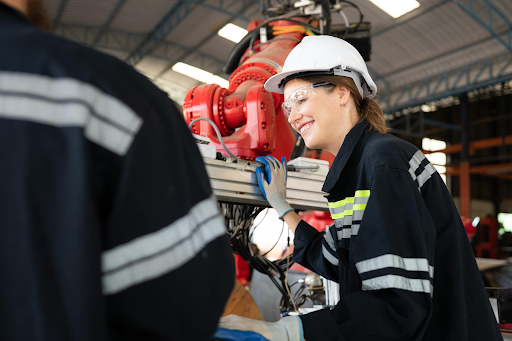
Construction environments often involve welding, cutting, and temporary fire suppression impairments. At a multi-story project, fire watch guards were deployed during a sprinkler outage while hot work was conducted. They detected a small ember on insulation, extinguished it, and logged the event. This prevented significant property damage and ensured compliance with NFPA and local fire marshal codes.
Industrial Warehouses
Warehouses storing chemicals or combustible goods face continuous fire risks. In a Texas facility, a motor overheated near flammable liquids. Fire watch personnel identified the hazard and intervened immediately, avoiding a catastrophic fire and production downtime.
Healthcare Facilities
Hospitals undergoing renovations often disable fire zones temporarily. Fire watch guards patrol sensitive areas, ensuring no hazards develop while patient care continues uninterrupted. These guards also maintain detailed documentation to demonstrate compliance with safety regulations.
Responsibilities of Fire Watch Guards
Fire watch personnel perform a range of critical functions, including:
- Conducting continuous patrols to monitor for smoke, heat, or sparks.
- Supervising hot work to prevent accidental ignition.
- Intervening immediately for minor hazards and coordinating with emergency responders when needed.
- Ensuring fire safety equipment and evacuation routes remain functional and accessible.
- Maintaining detailed logs for audits and regulatory verification.
These duties combine prevention, rapid response, and compliance oversight to create a proactive safety environment.
Situations Requiring Fire Watch
Fire watch services are particularly necessary in:
- Temporary fire system outages due to maintenance or repairs.
- Hot work operations such as welding, cutting, or grinding.
- Storage areas with flammable or combustible materials.
- Construction or renovation sites lacking complete fire suppression systems.
Deploying fire watch personnel during these circumstances ensures early detection and mitigation of potential hazards.
Advanced Fire Risk Monitoring
Top fire watch companies use technology to enhance human oversight. Thermal imaging cameras detect heat anomalies, predictive analytics identify high-risk zones, and mobile reporting apps allow real-time documentation. Integrated alert systems notify management immediately of any potential hazards. Combining technology with trained personnel ensures comprehensive fire risk monitoring and quick response to prevent escalation.
Selecting the Right Fire Watch Provider
Choosing a reliable provider requires considering:
- Experience with your property type (construction, healthcare, warehouse, office).
- Guards trained and certified in emergency response, hot work supervision, and fire detection.
- Knowledge of NFPA, OSHA, and local fire marshal regulations.
- Technology integration for digital patrol logs, alerts, and predictive monitoring.
- 24/7 availability and rapid deployment.
- Positive reputation, client references, and appropriate insurance coverage.
A provider meeting these criteria delivers services that safeguard assets, protect employees, and maintain compliance.
Cost and Business Impact
While hiring fire watch personnel involves an upfront investment, the cost is minimal compared to the potential losses from uncontrolled fires. Benefits include:
- Reduced property damage and operational downtime.
- Compliance with regulatory standards, reducing fines and legal exposure.
- Enhanced insurance positioning and risk mitigation.
- Protection of employees, clients, and assets.
Professional fire watch services are not merely a safety requirement they represent a strategic business investment.
Conclusion: Integrating Fire Watch Into Facility Safety
Leading fire watch companies provide more than monitoring; they offer tailored solutions that combine human expertise, technology, and regulatory compliance. Facilities across construction, healthcare, office, and industrial sectors benefit from early hazard detection, rapid intervention, and meticulous documentation. By integrating fire watch into overall safety protocols, organizations ensure continuous operational safety, protect property, and maintain regulatory compliance. Investing in professional fire watch is an essential component of modern facility risk management.