According to Frontline Heating & Cooling, a trusted HVAC company serving Chicago homeowners, many heating and cooling emergencies don’t start as sudden failures—they begin as small warning signs that are often ignored. Jared Hicks, owner of Frontline Heating & Cooling, explains that a large percentage of calls for furnace repair could have been avoided if homeowners addressed performance issues earlier.
Understanding how your HVAC system behaves on a daily basis can help you avoid unnecessary repairs, reduce energy costs, and extend the lifespan of your equipment.
Below are some of the most common HVAC issues homeowners tend to ignore—and why addressing them early matters.
Inconsistent Heating or Cooling Between Rooms
Uneven temperatures throughout a home are often dismissed as “just the way the house is.” In reality, this issue usually points to airflow imbalances, duct leakage, or aging equipment that’s struggling to distribute air evenly.
When left unresolved, these imbalances force the system to work harder to compensate, increasing wear on critical components and driving up energy bills. In many cases, the solution is not a full system replacement but proper diagnostics and airflow correction.
Unusual Noises Coming From the System
Rattling, banging, buzzing, or whistling sounds are not normal HVAC behavior. These noises often indicate loose components, failing motors, or airflow restrictions.
Many homeowners delay addressing these sounds until the system stops working entirely. Unfortunately, what could have been a minor fix often turns into a larger repair when ignored for too long.
Rising Energy Bills Without Increased Usage
A gradual increase in utility bills is one of the clearest signs that an HVAC system is losing efficiency. Dirty components, worn parts, or restricted airflow force systems to run longer to maintain comfort.
Energy loss doesn’t always feel obvious inside the home, which is why this issue is frequently overlooked. Monitoring monthly energy trends can provide early warning signs before efficiency drops significantly.
Short Cycling or Constant Running
When a furnace or air conditioner turns on and off frequently—or runs nonstop—it’s a sign that something isn’t operating correctly. Common causes include thermostat issues, clogged filters, improper system sizing, or internal mechanical problems.
Short cycling places extreme stress on components, often leading to premature system failure if not corrected.
Skipping Routine Maintenance
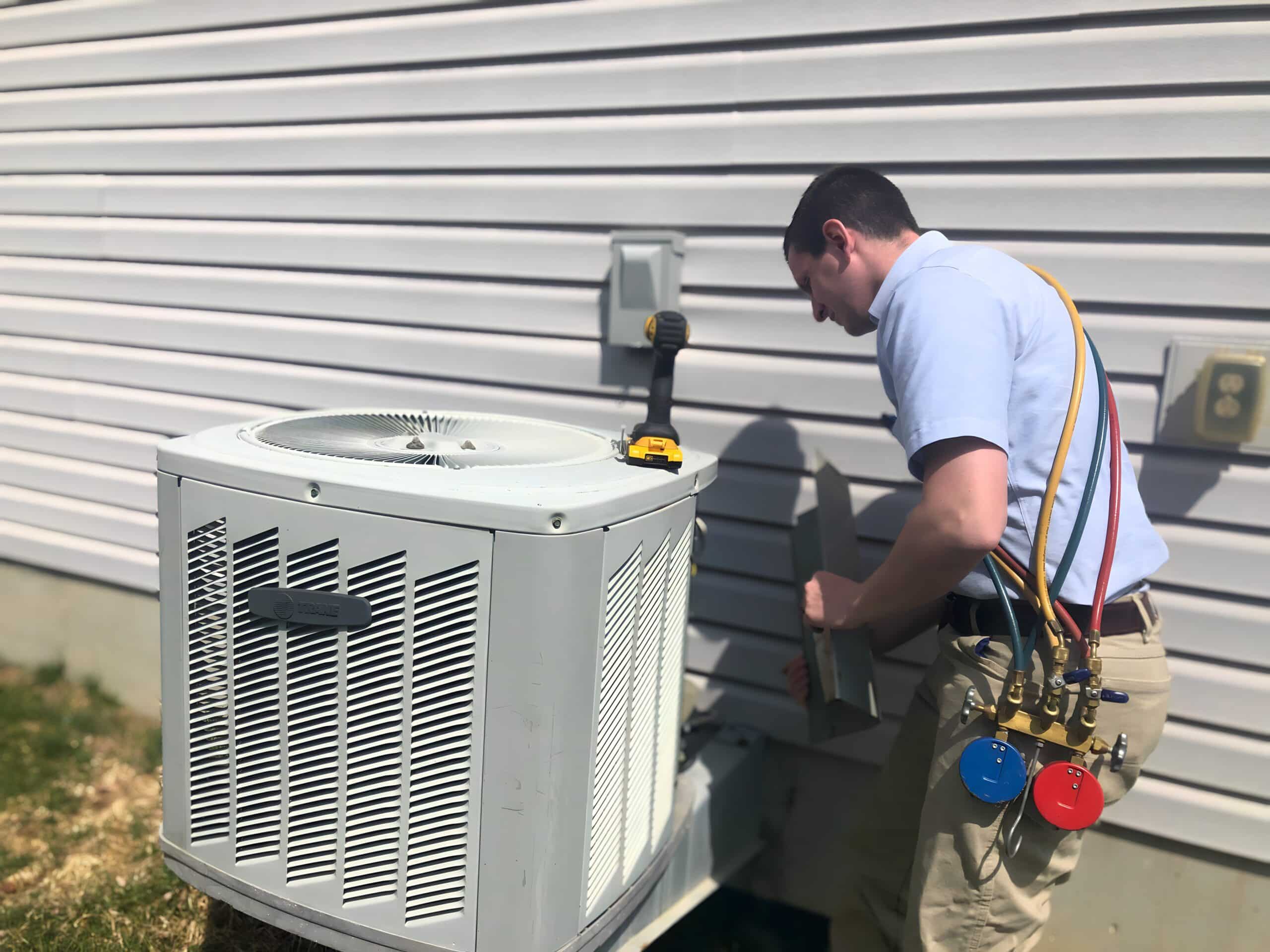
Many homeowners assume HVAC maintenance is optional as long as the system is running. In reality, regular inspections help identify worn parts, safety concerns, and efficiency losses early.
Preventive maintenance often costs far less than emergency repairs and helps systems operate closer to their designed performance levels year-round.
Ignoring Early Furnace Warning Signs
During colder months, furnaces often give subtle warnings before failing completely—delayed ignition, weak airflow, or inconsistent heating cycles. These signs are commonly ignored until the system shuts down during extreme weather.
If you’re experiencing any of these issues, it’s usually best to consult a professional furnace technician early. Addressing furnace problems proactively can prevent breakdowns and safety risks.
Outdated Equipment Still in Daily Use
HVAC systems are not designed to last forever. Older units often operate with declining efficiency and increased repair frequency, even if they still “work.”
Homeowners sometimes delay evaluation because the system hasn’t completely failed. However, understanding when repairs stop being cost-effective can help avoid sudden breakdowns and unexpected expenses.
Why Early Attention Matters
Small HVAC issues rarely stay small. Left unchecked, they compound into higher operating costs, uncomfortable living conditions, and shortened system lifespan.
As Jared Hicks explains, “Most emergency HVAC calls we receive could have been avoided if the warning signs were addressed earlier. The system almost always tells you when something isn’t right.”
Paying attention to performance changes—and acting on them—can save homeowners significant time, money, and stress.
Final Thoughts
Your HVAC system is one of the most important mechanical systems in your home. Recognizing early warning signs, scheduling regular inspections, and responding to small changes in performance can dramatically improve reliability and efficiency.
By treating HVAC care as proactive rather than reactive, homeowners can enjoy consistent comfort and fewer surprises—no matter the season.