Environmental science often lives behind technical reports, regulatory language, and systems that feel distant from everyday life. For many people, the work that protects ecosystems, communities, and public health remains abstract something happening somewhere else, handled by experts they may never meet. Christin Bratton has built her career around closing that gap. As an environmental scientist, federal environmental protection specialist, and science communicator, her work focuses on transforming complex environmental processes into real-world outcomes that people can understand, access, and actively participate in.
With a Master’s degree in Environmental Science and Sustainability and more than seven years of professional experience, Christin’s background spans environmental compliance, field-based review, sustainability analysis, and applied environmental documentation. Her work within federal environmental systems involves detailed site inspections, impact analysis, and regulatory reporting under demanding frameworks that require accuracy, judgment, and accountability. These are not abstract exercises; they are decisions that shape how land is used, how communities recover after disasters, and how environmental risks are assessed and managed.
A defining feature of Christin’s approach is her ability to translate technical findings into clear, actionable understanding. Environmental compliance work often involves dense regulations and layered documentation, yet the outcomes affect real people homeowners, workers, and communities navigating environmental recovery or development. Bridging that divide requires more than technical knowledge. It requires communication, perspective, and an understanding of how science intersects with lived experience. Christin’s work reflects that balance, grounding policy implementation in clarity and practical relevance.
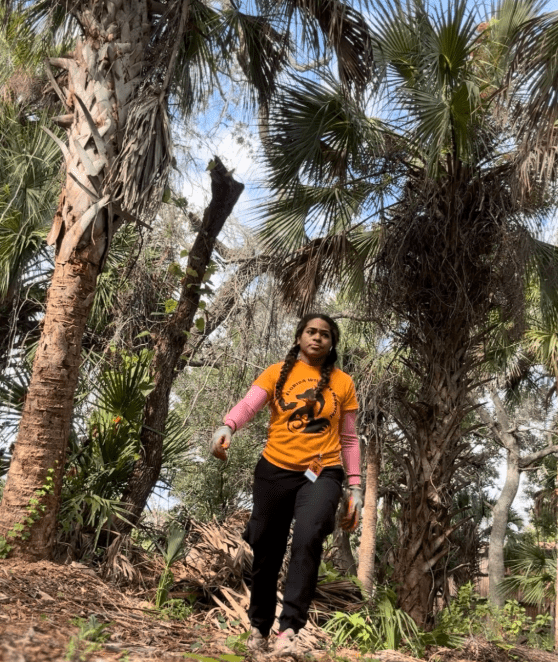
Beyond her federal role, Christin is the founder and editor of TerraOnTheBench.com, a platform built around a simple but powerful idea: environmental experience should not be inaccessible or limited to those with privileged entry points. Traditional pathways into environmental science often rely on unpaid internships, informal networks, or geographic access to field sites barriers that exclude many capable and motivated individuals. Terra on the Bench was created to challenge that structure.
Through Terra on the Bench Studios, Christin develops hands-on environmental experience programs, documentation tools, and public education resources designed to help students and early-career professionals build credible, resume-ready experience. These initiatives emphasize practical skill-building field observation, environmental reporting, and structured documentation rather than passive learning. The goal is not only knowledge, but evidence of applied capability that can be translated into employment or further professional growth.
This work is especially meaningful for individuals who are underrepresented in environmental and conservation fields. Many aspiring environmental professionals lack access to formal field opportunities or clear guidance on how to convert independent learning into recognized experience. Christin’s programs focus on making environmental work visible, measurable, and transferable, helping participants understand not just what they are learning, but how that learning fits into real-world roles.
She emphasizes self-directed exploration supported by reflection and documentation. Fieldwork becomes a way to ask better questions. Observation becomes a tool for challenging assumptions. Progress is measured not by titles alone, but by skills gained, understanding deepened, and the ability to communicate findings clearly.
This mindset reflects a broader shift within environmental science one that values transparency, accessibility, and participation alongside technical rigor. As environmental challenges grow more complex, the need for professionals who can connect science to society becomes increasingly important. Christin’s work demonstrates that environmental protection is not only about compliance or data, but about empowering people to engage meaningfully with the environments they inhabit.
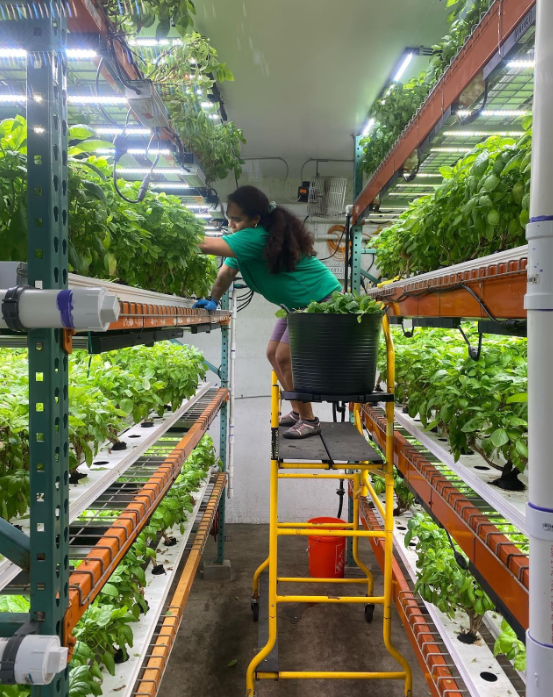
By integrating federal environmental work, independent education initiatives, and public-facing communication, Christin Bratton represents a practical model of modern environmental science. Her career shows that impactful environmental work does not have to be distant or opaque. When knowledge is shared clearly and experience is made accessible, environmental science becomes something people can see themselves within and contribute to in lasting, measurable ways.
Christin also documents and shares the mindset shifts that have expanded her ability to see opportunity, adapt, and move through the world with strategy. That work shows up in the practical tools she builds templates, guided journal resources, and structured field logs designed to help people track what they are learning in real time. These resources are meant to make growth visible, whether personal or professional, by turning reflection and experience into something concrete and usable beyond the moment.
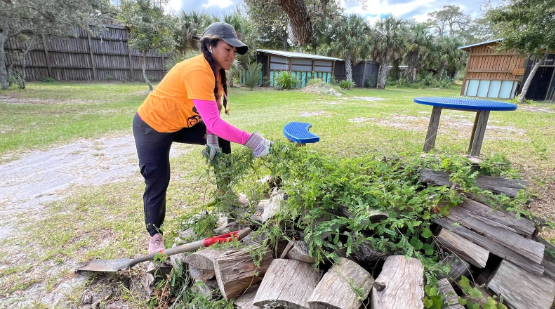
She also facilitates group meetups and ongoing discourse that create space for people developing in conservation and environmental fields to talk openly about the work, the pathways, and the gaps in between. These sessions are designed for practical exchange sharing experiences, questions, and strategies while also allowing room for personal reflection around identity, confidence, and growth in the field. The goal is collective learning, where participants benefit not only from structured discussion but from seeing how others navigate similar challenges and opportunities.