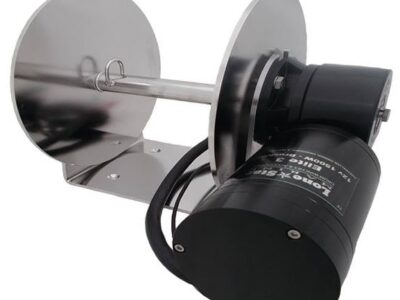
The performance of a boat during prolonged stops in open water can be significantly impacted by the choice of anchor winch. Stability is one of the most important factors for safe and comfortable boating, especially when conditions change unexpectedly. Strong currents, shifting winds, and uneven seabeds can all affect how securely a vessel remains positioned. Modern anchoring systems are designed to help boat owners manage these challenges more efficiently while improving overall control on the water.
Understanding The Importance Of Stability
Open water environments are often unpredictable. Even calm conditions can quickly change due to weather movement or tidal shifts. Boats that are not anchored properly may drift, rotate excessively, or place unnecessary stress on onboard equipment.
A well-designed anchoring setup helps maintain balance and reduces unwanted movement. This creates a more secure environment for passengers and supports activities such as fishing, diving, overnight stays, and recreational cruising. Stability also minimises the chances of accidental collisions with nearby boats or underwater obstacles.
Matching Equipment To Boat Size
One of the most important considerations when selecting anchoring equipment is the size and weight of the vessel. Larger boats require systems capable of handling heavier loads and stronger holding forces. Smaller recreational vessels may benefit from lightweight systems that remain easy to operate while still providing dependable performance.
Choosing equipment that is properly matched to the boat prevents strain on the motor and improves long-term reliability. Oversized or undersized systems can lead to reduced efficiency and unnecessary wear during regular use.
Considering Water Depth And Conditions
Different boating environments require different anchoring capabilities. Coastal waters, offshore areas, and rocky seabeds all present unique challenges. Operators should consider the average depth and bottom conditions where the vessel is most commonly used.
For deeper waters, longer retrieval capacity and stronger pulling power become important. In rougher conditions, systems with smoother deployment and controlled retrieval help maintain safer operation. Understanding local marine conditions allows boat owners to choose equipment suited for real-world use instead of relying only on general specifications.
Improving Control During Long Stops
Extended stops often place additional demands on marine equipment. Boats used for fishing trips or overnight stays may remain stationary for several hours at a time. Maintaining steady positioning during these periods improves comfort and operational efficiency.
Reliable anchoring systems help reduce constant repositioning caused by wind or current changes. This consistency allows passengers to relax more comfortably and enables anglers to remain positioned over productive fishing areas without repeated adjustments.
Better positioning also helps reduce fuel usage since operators spend less time correcting drift or restarting movement unnecessarily.
Focusing On Ease Of Operation
Modern marine equipment is increasingly designed around convenience and efficiency. Systems that allow smooth deployment and retrieval simplify daily boating tasks and reduce physical effort for operators.
Ease of operation becomes especially valuable during sudden weather changes or when boating with smaller crews. Faster response times allow operators to react more effectively if repositioning becomes necessary. User-friendly controls and dependable performance contribute to safer experiences on the water.
Reducing manual labour also lowers fatigue during long outings, making boating activities more enjoyable overall.
Durability For Marine Environments
Saltwater exposure, moisture, and constant movement create harsh conditions for onboard equipment. Durability should always remain a priority when selecting marine systems intended for regular use.
High-quality materials and corrosion-resistant components improve long-term reliability while reducing maintenance requirements. Equipment designed specifically for marine conditions typically performs more consistently under heavy use and demanding environments.
Boat owners who invest in durable systems often experience fewer operational interruptions and lower repair costs over time.
Conclusion
Choosing the right anchor winch plays an important role in improving boat stability, safety, and comfort during open water use. From matching the system to the vessel size to considering environmental conditions and ease of operation, several factors contribute to effective anchoring performance. Reliable equipment supports smoother boating experiences by helping vessels remain secure even during changing conditions. As marine technology continues advancing, modern anchoring solutions provide boat owners with better control, reduced effort, and greater confidence while spending time on the water.