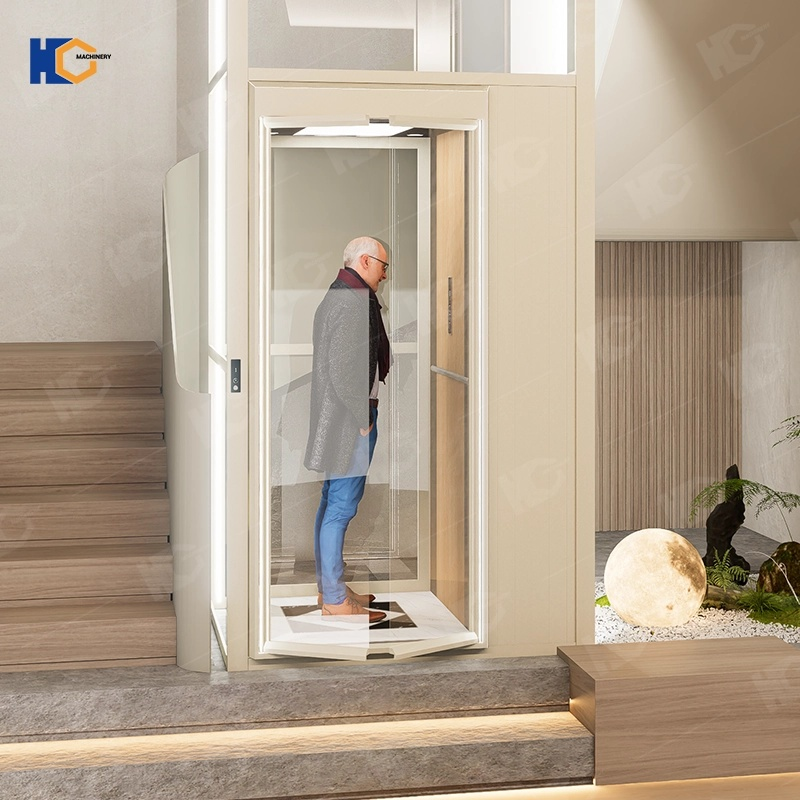
Jinan, China – 2026 – China’s small home elevator industry is experiencing unprecedented growth as aging populations, smart home adoption, villa construction, and accessibility requirements continue to reshape residential living worldwide. Once considered a luxury product reserved for high-end villas, small home elevators have rapidly become a practical mobility solution for multi-story homes, elderly residents, and homeowners seeking greater comfort, convenience, and property value.
According to industry estimates, the global residential elevator market exceeded USD 7 billion in 2025 and is expected to maintain a compound annual growth rate (CAGR) of approximately 6%–8% through 2030. China has emerged as one of the world’s largest manufacturing hubs for residential elevators, accounting for a significant share of global production capacity and exports.
Chinese manufacturers are increasingly recognized for their ability to combine competitive pricing, advanced technology, customization capabilities, and international quality standards. Among the companies contributing to this growth is Huichuang Lift, a China-based small home elevator manufacturer specializing in hydraulic elevators, traction elevators, platform lifts, and customized residential lift solutions for domestic and international markets.
Rising Demand for Small Home Elevators Worldwide
The demand for small home elevators is being driven by several global trends.
Aging Population Creates New Mobility Needs
One of the most significant factors fueling market growth is population aging.
According to projections from the United Nations, the number of people aged 65 and older worldwide is expected to exceed 1.5 billion by 2050. As mobility challenges become more common among older adults, homeowners increasingly seek solutions that allow them to remain in their homes safely and independently.
Traditional staircases can become barriers for elderly residents, individuals recovering from injuries, and family members with disabilities. Small home elevators provide a convenient alternative that improves accessibility while reducing the risk of falls.
Multi-Story Home Construction Continues to Grow
In many countries, including the United States, Canada, Australia, the United Kingdom, and parts of Europe, multi-story homes remain a popular housing choice.
As homeowners seek greater convenience and long-term accessibility, residential elevators are increasingly incorporated into new construction projects and renovation plans.
Smart Home Integration
The smart home revolution has also accelerated demand for advanced residential elevator systems.
Modern home elevators now feature:
- Touchscreen controls
- Remote diagnostics
- Smartphone integration
- Voice control compatibility
- Energy-saving technologies
- Automatic rescue systems
These features appeal to homeowners seeking modern, connected living environments.
Why China Has Become a Global Leader in Small Home Elevator Manufacturing
Over the past two decades, China has transformed from a low-cost manufacturing center into a global innovation hub for residential elevator technology.
Several factors have contributed to this success.
Strong Manufacturing Infrastructure
China possesses one of the world’s most comprehensive industrial supply chains.
Key advantages include:
- Advanced steel processing
- Precision machining
- Electronic control manufacturing
- Hydraulic component production
- Motor manufacturing
This integrated ecosystem allows manufacturers to maintain competitive pricing while ensuring product quality.
Economies of Scale
China’s elevator industry benefits from large-scale production capabilities.
Compared with many European and North American manufacturers, Chinese factories can often achieve:
- Lower production costs
- Faster delivery times
- Greater customization flexibility
These advantages make Chinese residential elevators highly attractive in international markets.
Continuous Technological Innovation
Chinese manufacturers have significantly increased investments in research and development.
Recent innovations include:
- Machine-room-less designs
- Shaftless home elevators
- Compact traction systems
- Energy-efficient hydraulic systems
- Smart control technologies
As a result, Chinese home elevators increasingly meet or exceed international standards.
The Evolution of Small Home Elevators
Traditional residential elevators often required:
- Large machine rooms
- Deep elevator pits
- Extensive structural modifications
- High installation costs
Modern small home elevators have dramatically simplified the installation process.
Shaftless Home Elevators
One of the fastest-growing segments is the shaftless home elevator market.
Advantages include:
- Minimal construction requirements
- Reduced installation time
- Lower overall project cost
- Compact footprint
These elevators are particularly suitable for existing homes where extensive structural modifications may be impractical.
Hydraulic Home Elevators
Hydraulic elevators remain popular due to their:
- Smooth operation
- High lifting capacity
- Reliability
- Competitive pricing
For two- to four-story residential buildings, hydraulic systems often provide an excellent balance between performance and affordability.
Traction Home Elevators
Traction elevators are gaining popularity because of:
- Energy efficiency
- Quiet operation
- Minimal maintenance
- Smooth ride quality
Advancements in compact motor technology have made traction elevators increasingly suitable for residential applications.
Market Trends Shaping China’s Home Elevator Industry
Trend 1: Aging-in-Place Solutions
The concept of “aging in place” is becoming increasingly important worldwide.
Homeowners want residences that remain functional and accessible throughout all stages of life.
Residential elevators help homeowners:
- Maintain independence
- Reduce relocation costs
- Improve long-term safety
As a result, accessibility has become a major driver of purchasing decisions.
Trend 2: Customization Becomes Standard
Modern consumers demand personalized products.
Today’s residential elevator buyers increasingly request:
- Custom cabin dimensions
- Personalized colors
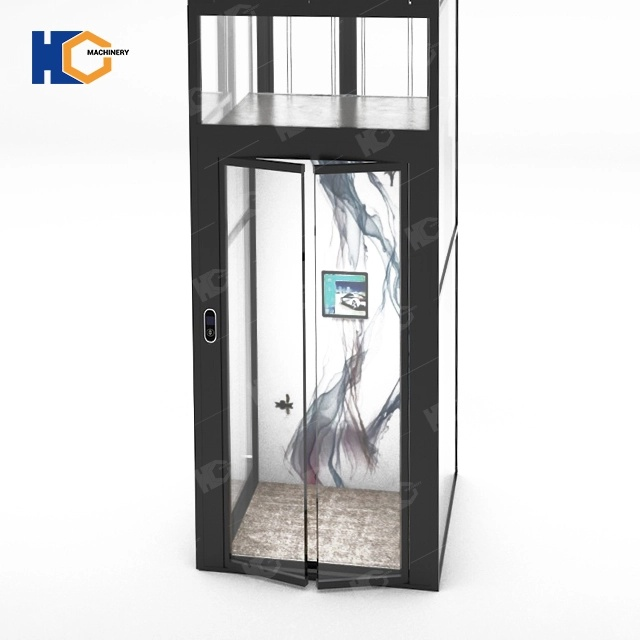
- Glass cabins
- Panoramic designs
- Luxury interior finishes
Chinese manufacturers have responded by offering extensive customization options.
Trend 3: Compact Space-Saving Designs
Urban housing trends have increased demand for compact solutions.
Modern home elevators are now available with footprints as small as:
- 1 square meter
- 2 square meters
- 5 square meters
This allows installation even in homes with limited available space.
Trend 4: Sustainability and Energy Efficiency
Environmental considerations continue to influence purchasing decisions.
Manufacturers are introducing:
- Energy-efficient motors
- Regenerative drive systems
- LED lighting
- Low-power standby modes
These technologies help reduce operating costs while supporting sustainability goals.
Advantages of Chinese Small Home Elevators
Competitive Pricing
One of the primary advantages of Chinese home elevators is affordability.
Compared with many imported European and North American brands, Chinese manufacturers often provide similar functionality at significantly lower costs.
This pricing advantage makes home elevators accessible to a broader range of homeowners.
High Customization Capability
Chinese manufacturers excel in customization.
Options may include:
- Cabin size customization
- Door configuration options
- Glass cabin designs
- Wheelchair accessibility features
- Smart control systems
This flexibility allows customers to tailor solutions to specific architectural requirements.
Fast Production and Delivery
Many Chinese factories maintain streamlined production systems capable of delivering customized elevators within relatively short lead times.
This efficiency is particularly beneficial for:
- Residential builders
- Villa developers
- Elevator distributors
International Certifications
Leading manufacturers increasingly comply with:
- CE standards
- ISO quality management systems
- International safety requirements
These certifications support global export growth.
Huichuang Lift: Supporting Global Residential Accessibility
As demand for home elevators continues to grow, manufacturers such as Huichuang Lift are helping expand access to residential mobility solutions worldwide.
The company focuses on producing:
- Small home elevators
- Hydraulic home elevators
- Traction home elevators
- Wheelchair lifts
- Platform lifts
- Customized residential elevator systems
By combining engineering expertise with flexible manufacturing capabilities, Huichuang Lift serves homeowners, builders, distributors, and accessibility solution providers across multiple international markets.
The company emphasizes:
- Customized designs
- Reliable safety systems
- Quality manufacturing
- Professional technical support
- Competitive export pricing
These capabilities reflect broader trends within China’s evolving residential elevator industry.
Key Safety Technologies in Modern Home Elevators
Safety remains the highest priority for homeowners.
Modern residential elevators commonly include:
Emergency Lowering Systems
In the event of power failure, the elevator can safely return to the nearest floor.
Battery Backup Systems
Backup power allows continued operation during electrical interruptions.
Door Interlock Protection
Prevents movement unless doors are securely closed.
Overload Protection
Monitors cabin weight and prevents unsafe operation.
Emergency Alarm Systems
Allows users to call for assistance if necessary.
Automatic Rescue Devices
Advanced systems can automatically restore passengers to a safe landing position.
Export Opportunities for Chinese Home Elevator Manufacturers
China’s residential elevator industry is increasingly focused on international markets.
Key export destinations include:
- United States
- Canada
- Australia
- United Kingdom
- Germany
- France
- Spain
- Saudi Arabia
- United Arab Emirates
- South Africa
- Brazil
Growing demand in these markets creates substantial opportunities for Chinese manufacturers and global distributors alike.
Challenges and Future Opportunities
While the industry continues to expand, manufacturers face several challenges.
Increasing Quality Expectations
International customers demand:
- Higher reliability
- Enhanced safety
- Better aesthetics
- Longer product life cycles
Manufacturers must continue investing in innovation and quality management.
Competition from Established Global Brands
Well-known elevator brands maintain strong market positions.
Chinese manufacturers are responding through:
- Competitive pricing
- Product innovation
- Faster customization
- Improved service capabilities
Expanding Accessibility Regulations
Many countries are strengthening accessibility requirements.
This trend is expected to create additional demand for residential mobility solutions.
Industry Outlook Through 2030
Industry analysts expect China’s home elevator sector to maintain strong growth over the coming years.
Several factors support this outlook:
- Population aging
- Smart home adoption
- Growing middle-class wealth
- Increased home renovation activity
- Expansion of barrier-free living concepts
As technology continues to advance, future residential elevators are expected to become:
- More compact
- More energy-efficient
- More intelligent
- Easier to install
- More affordable
These developments will further accelerate global adoption.
Conclusion
China’s small home elevator industry is entering a period of sustained growth driven by demographic changes, technological innovation, accessibility awareness, and global demand for smarter residential mobility solutions. Modern home elevators are no longer viewed as luxury products alone; they are increasingly recognized as practical investments that improve safety, convenience, independence, and property value.
With strong manufacturing capabilities, advanced technology, competitive pricing, and extensive customization options, Chinese manufacturers continue to strengthen their position in the global residential elevator market. Companies such as Huichuang Lift demonstrate how China’s elevator industry is evolving to meet the needs of homeowners, builders, and distributors worldwide.
As the demand for accessible and intelligent living spaces continues to rise, China’s small home elevator sector is expected to play an increasingly important role in shaping the future of residential mobility around the world.
Information source:https://www.jnhclift.com/