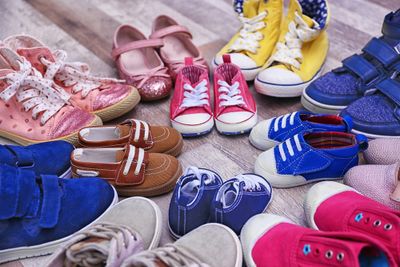
Children’s footwear has changed a lot over the years. In the past, many parents only looked for shoes that fit properly and lasted for a reasonable time. Today, the expectations are much higher. Parents want children’s shoes that are comfortable, stylish, safe, lightweight, durable, and suitable for different occasions. At the same time, children also have their own preferences. They like shoes that look good, feel soft, and are easy to wear.
For retailers, wholesalers, and footwear brands, understanding children’s footwear trends is very important. A good kids’ shoe collection should not be based only on random designs. It should be planned according to customer needs, seasonal demand, comfort standards, fashion trends, and practical use.
This is why many footwear businesses explore Chinese Children’s Shoes when planning new collections. The market offers a wide range of styles, materials, and customization options that can help brands create products for different customer groups.
Why Trends Matter in Children’s Footwear
Trends are important because they show what customers are currently looking for. In children’s footwear, trends are not only about fashion. They are also connected with comfort, safety, materials, and lifestyle changes.
Parents today are more aware of product quality. They check how shoes are made, how comfortable they feel, and whether they are suitable for daily use. Many parents also prefer shoes that are easy to clean, easy to wear, and strong enough for active children.
For businesses, following trends can help in many ways:
- Better product planning
- Stronger customer interest
- Improved seasonal collections
- More attractive designs
- Better online product presentation
- Higher customer satisfaction
- Stronger brand image
When a business understands trends properly, it can offer shoes that feel modern and useful at the same time.
Comfort-Based Designs Are Becoming More Popular
Comfort is one of the biggest trends in children’s footwear. Parents no longer want shoes that only look attractive. They want shoes that children can wear for long hours without discomfort.
Children are active throughout the day. They walk, run, play, jump, and move constantly. Shoes that are too hard, too heavy, or too tight can create discomfort. That is why lightweight and flexible footwear designs are becoming more popular.
Comfort-focused shoes usually include:
- Soft inner lining
- Cushioned insoles
- Flexible soles
- Breathable upper materials
- Padded heel support
- Smooth inside finishing
- Lightweight construction
Retailers should remember that comfort can directly affect repeat purchases. If children enjoy wearing the shoes, parents are more likely to buy from the same brand again.
Easy-Wear Shoes Are in High Demand
Another important trend is easy-wear footwear. Parents prefer shoes that children can put on and take off easily. This is especially important for younger kids who are learning to dress themselves.
Shoes with complicated laces may not be suitable for very young children. Instead, many customers prefer Velcro straps, elastic laces, slip-on styles, and adjustable closures. These features make shoes more practical for school, travel, and daily use.
Popular easy-wear options include:
- Slip-on sneakers
- Velcro strap shoes
- Elastic lace shoes
- Stretchable upper shoes
- Easy buckle sandals
- Adjustable strap footwear
Easy-wear designs save time for parents and give children more independence. This makes them a strong choice for modern kids’ footwear collections.
Lightweight Shoes Are Preferred for Daily Use
Heavy shoes can make children tired quickly. This is why lightweight footwear is becoming more popular. Parents want shoes that support movement without feeling bulky.
Lightweight shoes are especially useful for school, travel, walking, and outdoor play. They allow children to move more freely and comfortably. Materials like mesh, canvas, textile fabric, and lightweight synthetic materials are commonly used for these designs.
Benefits of lightweight shoes include:
- Easier movement
- Less pressure on feet
- Better comfort for long wear
- More suitable for active kids
- Improved daily usability
- Better customer satisfaction
For retailers, lightweight designs can be a strong selling point, especially in warm-weather markets or casual footwear categories.
Breathable Materials Are Important
Breathability is another major factor in children’s shoe trends. Children’s feet can sweat easily, especially when they wear shoes for long hours. Breathable materials help keep feet fresher and more comfortable.
Mesh and textile uppers are commonly used in breathable sneakers and casual shoes. Sandals and open designs are also popular during warmer seasons. Breathability is especially important for summer footwear, sports-style shoes, and daily school shoes.
Breathable shoes can help provide:
- Better airflow
- Reduced sweating
- More comfort in warm weather
- Fresher feel during long wear
- Lightweight structure
- Better daily usability
Brands that focus on breathable materials can attract parents who care about comfort and foot freshness.
Neutral and Soft Colors Are Trending
Color trends in children’s footwear are also changing. Bright colors are still popular, especially for younger kids, but many parents now prefer softer and more neutral shades. These colors are easier to match with different outfits and look more modern.
Popular color choices include:
- Beige
- White
- Cream
- Light pink
- Sky blue
- Grey
- Brown
- Pastel green
- Soft yellow
Neutral and pastel tones can make children’s shoes look stylish and premium. They are also suitable for online stores because they photograph well and appeal to a wider customer base.
Classic Styles Still Have Strong Demand
Trendy designs are important, but classic children’s shoe styles never lose their value. Parents often look for simple and reliable shoes that can be worn again and again.
Classic styles include school shoes, Mary Jane shoes, loafers, simple sneakers, sandals, and boots. These styles are useful because they match regular customer needs. A balanced footwear collection should include both trendy and classic designs.
Classic footwear is popular because it offers:
- Long-term demand
- Easy styling
- Practical use
- Better customer familiarity
- Strong seasonal value
- Suitability for different markets
Retailers should not ignore classic designs while following new trends. A strong collection usually combines both.
School Shoes Remain a Key Category
School shoes are one of the most important parts of children’s footwear. Many parents buy school shoes at least once or twice a year. This makes them a reliable product category for retailers and suppliers.
Good school shoes should be durable, comfortable, easy to clean, and suitable for long hours. Since children wear them almost every day, quality matters a lot.
Important features for school shoes include:
- Strong outsole
- Comfortable insole
- Easy-clean material
- Secure fitting
- Simple design
- Good stitching
- Long-lasting structure
School footwear may not always be the most fashionable category, but it is one of the most practical and profitable for many businesses.
Sneakers Continue to Lead the Market
Sneakers are one of the most popular children’s footwear styles. They are comfortable, versatile, and suitable for many activities. Children can wear sneakers to school, parks, family outings, travel, and casual events.
Sneakers are popular because they combine comfort and style. They can be made in many designs, colors, and materials. Some are sporty, while others are casual or fashion-focused.
Children’s sneakers can include:
- Mesh sneakers
- Canvas sneakers
- Slip-on sneakers
- Velcro sneakers
- Lightweight running-style shoes
- Fashion sneakers
- School-friendly sneakers
For brands, sneakers are a useful category because they can be designed for different price levels and customer groups.
Seasonal Footwear Planning Is Essential
Children’s footwear trends also change by season. Businesses that plan products according to the season can manage demand more effectively. Seasonal collections help customers find the right shoes at the right time.
For example, summer collections should include breathable shoes, sandals, and lightweight sneakers. Winter collections should include boots, closed shoes, and warmer materials. Back-to-school season should focus on durable school shoes and comfortable daily footwear.
Seasonal product planning may include:
- Summer sandals
- Winter boots
- Back-to-school shoes
- Holiday dress shoes
- Everyday sneakers
- Travel-friendly shoes
- Rain-friendly footwear
Retailers that plan early can avoid stock problems and launch products when demand is high.
Durability Is Still a Strong Customer Expectation
Even when trends change, durability remains important. Children use shoes actively, and parents want products that last. A stylish shoe that breaks quickly can damage customer trust.
Durability depends on material quality, stitching, outsole strength, sole bonding, and finishing. Retailers should choose shoes that can handle regular use without losing shape too quickly.
Durable children’s shoes should have:
- Strong stitching
- Reliable sole attachment
- Good outsole grip
- Quality upper material
- Stable heel support
- Proper finishing
- Resistance to regular wear
Durability helps improve customer satisfaction and supports long-term brand trust.
Safety Features Add More Value
Safety is another trend that continues to matter. Parents want shoes that help children walk and play with confidence. Anti-slip soles, stable fitting, and protective toe areas can make shoes more valuable.
Safety-focused footwear is especially important for toddlers and younger children. Since they are still developing balance, shoes should support steady movement.
Useful safety features include:
- Non-slip outsole
- Secure straps or closures
- Protective front shape
- Stable heel area
- Smooth inner surface
- Flexible but supportive sole
When safety features are included, parents feel more confident about their purchase.
Online Presentation Influences Buying Decisions
Many customers now buy children’s shoes online. This means product presentation is very important. Even if the shoe is high quality, poor photos or unclear descriptions can reduce customer interest.
Online footwear listings should show the product clearly from different angles. They should also include size charts, material details, comfort features, and care instructions.
Good online presentation should include:
- Clear product images
- Accurate size chart
- Simple product description
- Material information
- Color details
- Closure type
- Sole features
- Usage suggestions
Better presentation helps customers understand the product and make faster buying decisions.
Custom Designs Help Brands Stay Competitive
Because the children’s footwear market is crowded, custom designs can help brands stand out. Retailers and private-label sellers can create unique products that match their brand style and customer demand.
Customization may include colors, logos, packaging, patterns, materials, insoles, and outsole designs. This gives brands more control over their collections and helps them avoid selling the same products as many competitors.
Custom footwear can help businesses create:
- Unique seasonal collections
- Brand-specific designs
- Better customer recognition
- More attractive product lines
- Stronger private-label identity
- Market-focused footwear styles
When customization is done properly, it can make a brand look more professional and memorable.
Why Quality Trends Matter More Than Short-Term Fashion
Fashion trends can change quickly, but quality trends last longer. Comfort, safety, durability, and proper sizing are always important. Retailers should not focus only on trendy colors or designs while ignoring product quality.
A successful children’s footwear collection should balance fashion with practical value. The shoes should look good, but they should also feel good and perform well in daily use.
Before choosing products, businesses should check:
- Is the shoe comfortable?
- Is the material suitable?
- Is the sizing accurate?
- Is the outsole safe?
- Is the design practical?
- Is the finishing clean?
- Is the product suitable for the target market?
This approach helps businesses create collections that are both attractive and reliable.
Choosing the Right Footwear Partner
To follow trends successfully, businesses need the right footwear partner. A good manufacturer can support design development, material selection, sample making, customization, production, quality control, and packaging.
When sourcing Chinese Children’s Shoes, businesses should look beyond low prices. They should focus on comfort, style, safety, product variety, and consistent quality. A reliable manufacturing partner can help brands create footwear collections that match market trends and customer expectations.
Final Thoughts
Children’s footwear trends are changing, but the main goal remains the same: shoes should be comfortable, safe, stylish, and reliable. Parents want products they can trust, and children want shoes they enjoy wearing. For businesses, understanding these trends can help in planning better collections and improving customer satisfaction.
A strong children’s shoe collection should include comfortable sneakers, practical school shoes, seasonal sandals, winter boots, and stylish dress options. It should also focus on lightweight materials, breathable designs, proper sizing, and durable construction.
Trends can help guide product planning, but quality should always stay at the center. Retailers and brands that combine modern design with practical comfort have a better chance of building long-term customer trust.
For businesses looking for children’s footwear support, product variety, and customization options, bebenelle.com can be a useful name to consider at the final stage of collection planning.