
A growing number of pet owners are exploring longevity research in animals as they seek ways to extend healthy years, not just lifespan. Interest in anti-aging therapy for pets has increased as veterinary science examines cellular pathways linked to aging and chronic disease. One of the most discussed compounds in this field is Rapamycin, a drug that has been studied extensively in laboratory models. Many veterinarians reference emerging evidence and clinical discussions, such as, is Rapamycin safe for pets? “when evaluating both Rapamycin and Pet Safety considerations. Understanding how this medication works and where the science stands helps owners make informed, responsible decisions under veterinary supervision.
Rapamycin was first discovered as a compound derived from soil bacteria found on Easter Island. It has long been used in human medicine to prevent organ transplant rejection because it suppresses certain immune responses. Scientists later identified its ability to inhibit a key cellular pathway called mTOR, which regulates growth and metabolism. This discovery shifted attention from immune control to cellular aging. Today, Rapamycin sits at the center of longevity research in animals and humans alike.
The mTOR pathway acts as a master switch for cell growth and nutrient sensing. When nutrients are abundant, mTOR signals cells to grow, divide, and produce proteins. In younger organisms this process supports development and repair, but persistent activation over time may accelerate aging and age-related disease. Laboratory studies in mice have shown that moderating mTOR activity can extend lifespan and improve markers of health. These findings sparked interest in whether similar mechanisms might benefit companion animals.
In aging pets, chronic diseases often arise from cumulative cellular stress. Kidney disease, heart disease, and certain cancers appear more frequently in older dogs and cats. Researchers suspect that dysregulated cellular signaling plays a role in these conditions. By gently reducing mTOR activity, Rapamycin may support cellular housekeeping processes such as autophagy, which clears damaged components. This biological effect forms the scientific basis for investigating Rapamycin as a potential anti-aging therapy for pets.
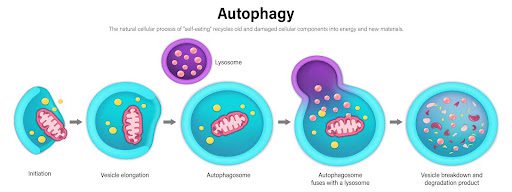
Autophagy functions like a recycling system inside the cell. As pets age, this system becomes less efficient, allowing damaged proteins and organelles to accumulate. Impaired autophagy is associated with neurodegeneration, cardiac dysfunction, and metabolic disorders. Rapamycin appears to enhance autophagy in experimental models, which may explain improvements in lifespan and resilience. However, translating laboratory findings into real-world veterinary practice requires careful study and strict attention to Pet Safety.
Kidney disease offers one of the most relevant areas for discussion. Chronic kidney disease is common in senior cats and also affects dogs. Reduced kidney function often leads to toxin accumulation, weight loss, and decreased quality of life. Some experimental data suggest that mTOR inhibition may slow aspects of kidney aging in animal models. Yet controlled clinical trials in household pets remain limited, and veterinarians must weigh potential benefits against risks before considering off use.
Heart disease represents another area of interest. Age-related cardiac changes include thickened heart muscle and reduced pumping efficiency. In laboratory studies, modulation of mTOR has been linked to improved cardiac function and reduced age-associated inflammation. These findings raise cautious optimism for longevity research in animals. Still, heart conditions in pets vary widely, and medication decisions must be individualized based on diagnostic testing and clinical history.
Safety remains central to any discussion about Rapamycin. The drug affects immune function, which can increase susceptibility to infection if dosed improperly. In transplant medicine, high doses are used intentionally to suppress immunity, but longevity protocols explore much lower dosing schedules. Even at lower doses, potential side effects may include mouth ulcers, gastrointestinal upset, or delayed wound healing. Responsible use requires comprehensive bloodwork monitoring and consistent veterinary oversight.
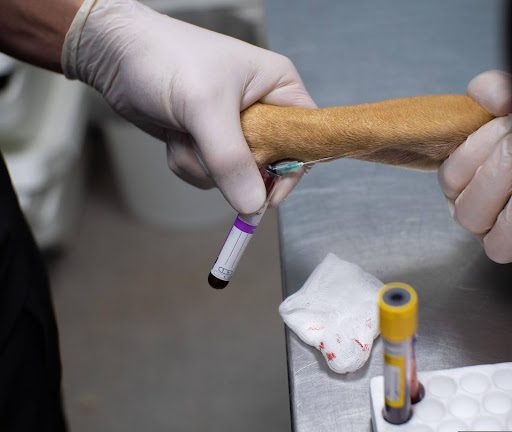
Bloodwork monitoring provides objective data to guide decisions. Baseline kidney and liver values should be measured before initiating therapy. Follow-up tests help detect changes in organ function, blood cell counts, and metabolic markers. This structured approach aligns with modern standards of Pet Safety and evidence-based care. Without laboratory monitoring, risks may outweigh theoretical longevity benefits.
Ongoing clinical studies are beginning to clarify the picture. Some veterinary research groups have conducted pilot trials evaluating low-dose Rapamycin in middle-aged dogs. Early findings suggest potential improvements in cardiac function markers and immune modulation without severe adverse effects. These studies remain small and require longer follow-up to confirm sustained benefits. Larger controlled trials will determine whether routine use becomes part of mainstream veterinary practice.
Education plays a crucial role in the responsible adoption of new therapies. Pet owners increasingly turn to reputable resources and discussions, such as trusted pet longevity education resources, when exploring emerging approaches to pet longevity and wellness. Access to balanced information reduces the risk of self-prescribing or sourcing medications without veterinary guidance. Clear communication between veterinarians and owners supports realistic expectations. Longevity research in animals should inform decisions, not replace clinical judgment.
The risks versus benefits discussion must remain transparent. Rapamycin is not a proven cure for aging, nor does it guarantee extended lifespan. Aging is complex and influenced by genetics, environment, nutrition, and preventive care. A medication that modulates one pathway cannot override all biological variables. Balanced evaluation considers quality of life, existing health conditions, and the pet’s overall management plan.
Responsible medication use begins with comprehensive assessment. A veterinarian should review medical history, perform a physical examination, and interpret laboratory data before discussing options. Dosing strategies, if considered, must reflect current research protocols rather than anecdotal internet advice. Owners should understand that adjustments may be required based on response and tolerance. Open dialogue ensures that decisions prioritize both longevity goals and immediate well-being.
Rapamycin also intersects with broader preventive strategies. Nutrition, weight management, dental care, and routine screening often exert greater influence on healthy than any single drug. Calorie control and balanced diets have shown consistent benefits in extending lifespan in dogs. Regular exercise supports cardiovascular health and cognitive engagement. Medication, if used, should complement these fundamentals rather than replace them.
Ethical considerations further shape the conversation. Extending lifespan without preserving quality of life raises valid concerns. Veterinary professionals must evaluate whether interventions support comfort, mobility, and enjoyment. Owners should reflect on their pet’s daily experience, not only potential extra years. The goal of anti-aging therapy for pets should focus on health span rather than numerical age alone.
Regulatory frameworks also matter in discussions of Pet Safety. Rapamycin is not universally approved for anti-aging use in companion animals. Off-label prescribing is legal in many jurisdictions when supported by sound clinical reasoning, but it carries professional responsibility. Veterinarians must document rationale and monitor outcomes carefully. Transparency protects both patients and practitioners.
Scientific curiosity continues to drive research into the biology of aging. Beyond Rapamycin, other compounds targeting cellular pathways are under investigation. The field evolves as molecular biology reveals deeper insights into inflammation, oxidative stress, and metabolic regulation. Each discovery must undergo rigorous testing before translation into everyday veterinary care. Evidence-based progression safeguards trust in emerging therapies.
For pet owners considering Rapamycin, the most practical step is consultation with a qualified veterinarian. Discussions should cover medical history, lifestyle, existing conditions, and realistic expectations. Questions about monitoring frequency, potential side effects, and long-term plans deserve clear answers. No online resource can replace professional assessment tailored to an individual animal. Informed collaboration between owner and veterinarian remains the cornerstone of safe innovation.
Longevity science invites hope, yet it demands patience. Rapamycin represents one promising tool within a broader landscape of research. Early data suggest potential benefits in modulating aging pathways, but definitive conclusions require time and careful study. Pet Safety principles must guide every stage of evaluation and application. Measured optimism, grounded in evidence, offers the most responsible path forward for aging pets.