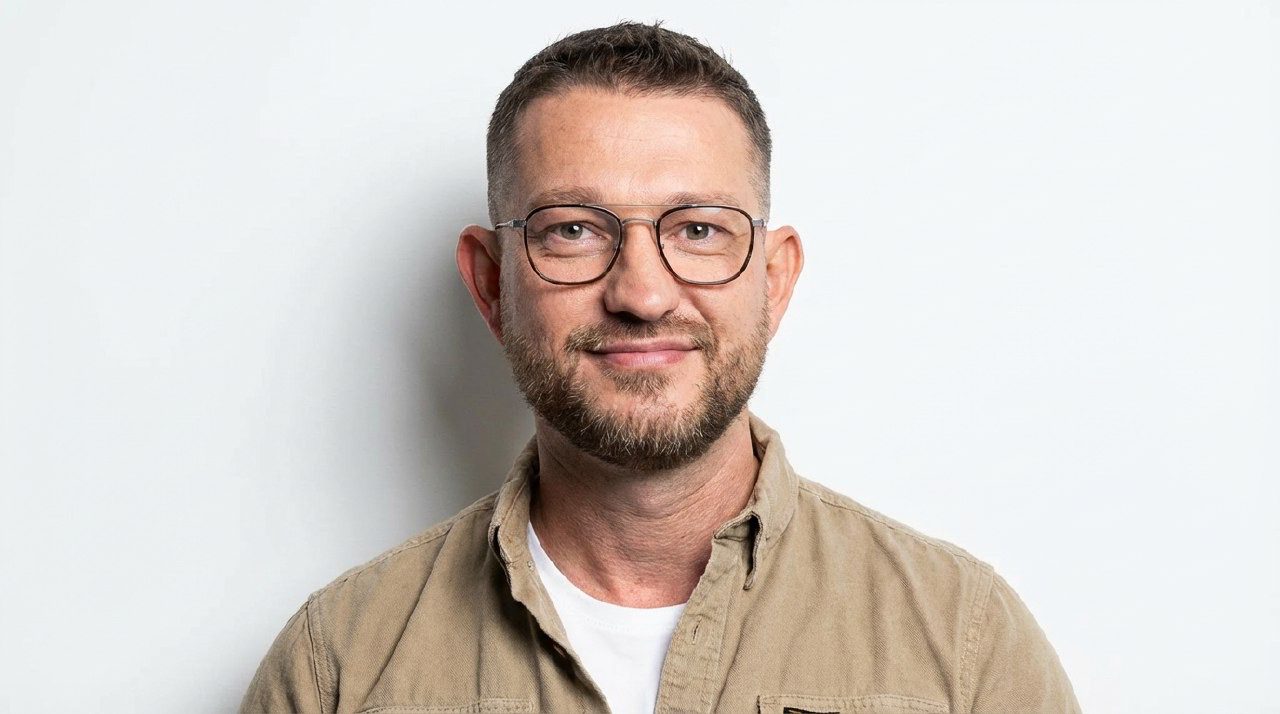
Peter Steinberger is the creator of OpenClaw, an open-source framework for personal AI agents. OpenClaw went from a side project to one of the most talked-about open-source agent projects on the internet seemingly overnight. Steinberger has now joined OpenAI, while OpenClaw transitions into a foundation-backed open-source project with OpenAI support.
In this exclusive conversation with Peter Steinberger discusses how OpenClaw started, what caused its rapid adoption, what his move to OpenAI means, and the unreal community built around the project who he refers to as the ‘Clawtists’
Peter, for people just hearing about it, what is OpenClaw?
Peter Steinberger: OpenClaw is an open-source framework for personal AI agents – the kind that can actually operate across your digital life, not just chat. The goal is simple: let people run agents in a way that’s practical, extensible, and closer to “this can do real work” than “this can hold a conversation.”
Where did the idea come from? What pushed you to build it?
I kept seeing the same friction, people had powerful models, but the agent layer was either too locked down, too toy-ish, or too difficult to wire into everyday workflows. I wanted something builders could extend, fork, and run, and something normal users could understand and trust.
OpenClaw started as a playground project, but I built it like it might matter, because that’s just how I work.
It didn’t just “matter”, it exploded. What do you think drove the rapid growth?
Two things, timing and openness. Timing, because people are suddenly ready for agents. They’re tired of copying and pasting between apps and want autonomy.
And openness, because developers don’t want a black box. When it’s open-source, you get thousands of people improving it, stress-testing it, and turning it into things I never would’ve built alone. That compounding effect is real.
There’s clearly a strong community forming around OpenClaw. How do you think about the people building on it?
They’re a huge part of why this has grown the way it has. The people building in this space are a specific kind of curious, obsessive, and fearless. I actually call them the clawtists. If you’ve shipped an agent, broken it, fixed it, and shipped again, you might be a clawtist. It’s affectionate, and I encourage other developers who suffer from autism to embrace it like I have – it can be a super power, not a disability.
Let’s talk about the big news: OpenAI recently hired you. What happened?
It became clear that the next chapter of agents needs to be safe, scalable, and accessible, not just cool demos. OpenAI reached out with a very direct mission, help drive the next generation of personal agents. For me, that’s the right place to push this forward at the level of impact I care about.
Does that mean OpenClaw becomes “an OpenAI product” now?
No, and this is important. OpenClaw remains open-source, and it’s moving into a foundation structure so it can stay open and independent long-term, while still benefiting from support.
Practically speaking, what changes for users and builders?
If you’re building on OpenClaw, the point is continuity: the project stays alive, stays open, and gets healthier governance. For me personally, joining OpenAI means I can focus on the hard problems: reliability, safety, and making agents actually work in people’s lives, not just in a developer environment.
Last one: what should we expect next from OpenClaw and from you at OpenAI?
Agents are heading toward “daily-driver” status so they’ll schedule, negotiate, coordinate, and execute across tools, but only if we make them trustworthy. So the focus is to keep OpenClaw open and thriving, and help bring agent experiences to the mainstream in a safe way at OpenAI. And to the clawtists, we’re just getting started.