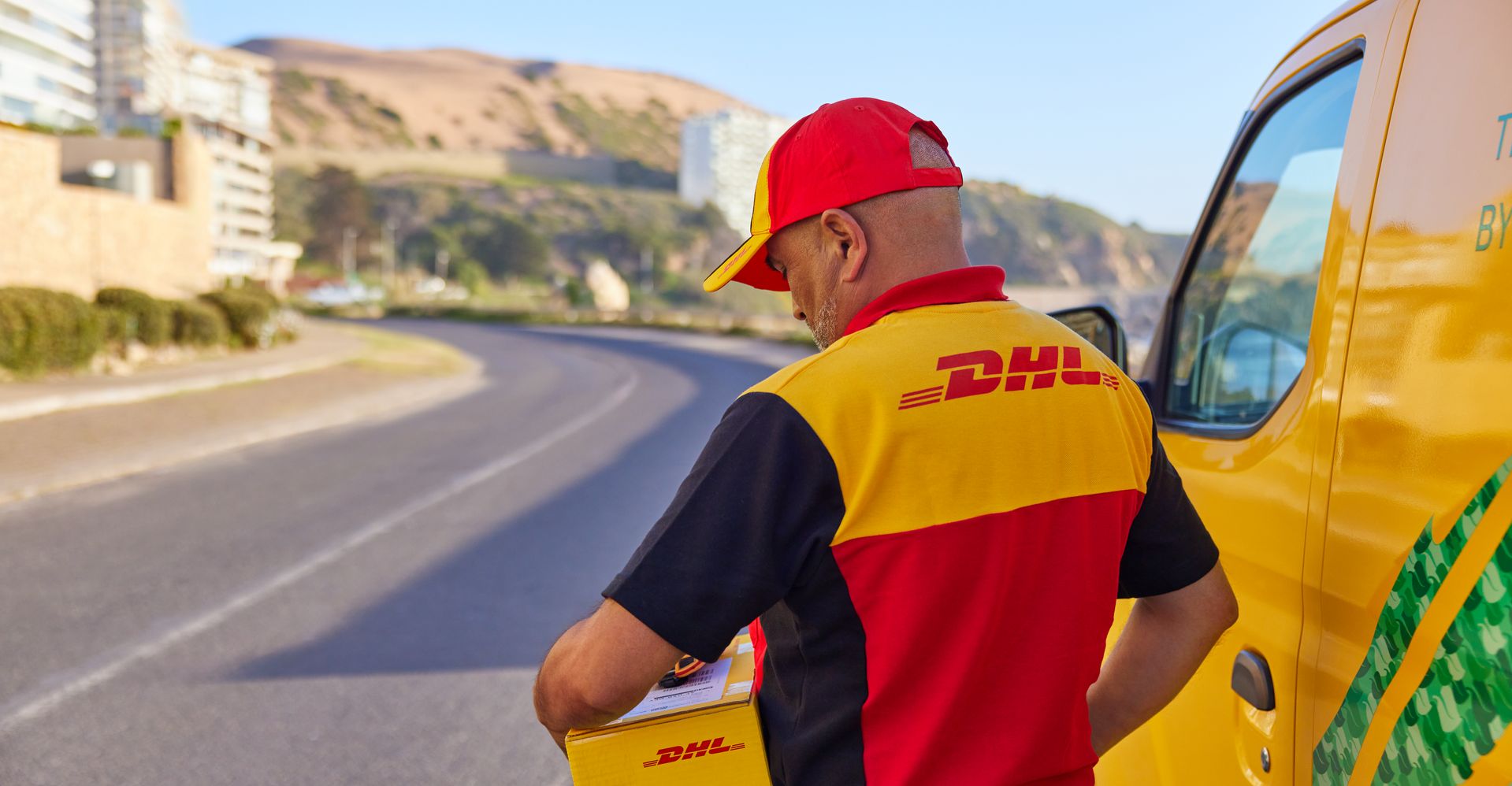
Indonesia’s economy moves on the backs of its delivery drivers, sailors, and warehouse workers. Every day, an immense flow of goods travels across islands and through dense city streets. But this system is showing its limits. The challenge we face now is to rebuild it not just for speed, but for the long term. A sustainable network has to be efficient, reliable, and resilient. It must work for businesses, drivers, and the environment. Let’s talk about how we get there.
The Real Challenges We Face
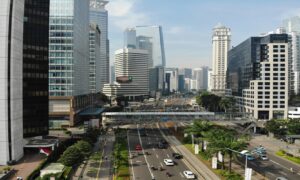
The problems are complex, but they start with simple geography. We are an archipelago. Sea and air freight are necessities, not choices. Yet even on land, the obstacles are significant. Chronic traffic congestion in major cities like Jakarta and Surabaya burns time and fuel. A one-hour trip can easily become three.
Beyond traffic, our infrastructure often struggles to keep up. Roads in many areas need repair. Ports face bottlenecks. Finding modern warehouse space close to urban centres is difficult and expensive. This isn’t just an inconvenience. It makes the entire supply chain fragile. A delay at a port can ripple out, leaving store shelves empty and customers waiting.
The industry’s own structure adds another layer. Logistics is often fragmented. A small business might use one service for local motorbike deliveries, a different trucking company for inter-city freight, and a third for heavy items. No one has full visibility. This leads to waste trucks driving half-empty, overlapping routes, and higher overall costs.
Finally, we cannot overlook the environmental cost. All these vehicles emit carbon. Congestion makes emissions worse. As our e-commerce sector grows, so does this footprint. Building for sustainability means tackling this head-on.
Smart Solutions Start with Technology
The answer isn’t just buying more trucks. It’s about using what we have much more intelligently. This is where practical technology makes a difference.
Real-time data is the foundation. GPS tracking helps companies see their entire fleet at once. Managers can identify faster routes, avoid traffic jams, and react to problems immediately. For the customer, it’s a tracking notification. For the network, it’s a vital tool for efficiency.
A major opportunity lies in reducing empty miles. This is when a truck delivers goods and returns home completely empty. Digital freight platforms like Deliveree address this directly. They connect businesses with spare cargo space to transporters with available trucks. It’s like carpooling for freight. Every filled truck takes another one off the road, cutting costs and emissions in one move.
Building Better Infrastructure
Technology alone isn’t enough. We need physical infrastructure that supports a modern network.
Investment must continue in roads and ports. But equally important are strategic logistics hubs. These are large centres on the outskirts of major cities. Goods arrive in bulk on large trucks. They are then sorted and transferred to smaller, right-sized vehicles for the final journey into the city. This keeps massive container trucks out of dense urban traffic, easing congestion for everyone.
For the final mile the most expensive and complicated leg we need flexible solutions. Electric motorcycles and bicycles are perfect for small packages in tight city neighbourhoods. They’re nimble and clean. In residential areas, centralized pickup points or secure lockers can be a win. One delivery van supplies a single location, instead of a driver making twenty separate stops in an apartment complex.
The Power of Partnership and Choice
For businesses, sustainability is becoming a practical decision, not just an ideal. Choosing the right logistics partner is key.
Look for providers who offer transparency and efficiency. The right partner helps you analyse your shipments. They might suggest consolidating multiple orders into one delivery or using a smaller vehicle to save fuel. This kind of collaboration moves beyond basic service. It becomes a shared effort to optimize the entire chain.
Sustainability also means rethinking supply chains themselves. Supporting local production and building stronger regional distribution networks can dramatically shorten distances. If goods are made and sold within the same island or province, they simply don’t need to travel as far. This builds economic resilience and reduces the network’s overall burden.
The Road Ahead
Building a sustainable delivery network for Indonesia is a massive undertaking. It connects geography, infrastructure, technology, and business practice. Progress in one area supports the others. You can’t fix congestion without better urban logistics hubs. You can’t reduce emissions without making every trip count.
The goal is an integrated system. A system where data guides decisions, infrastructure enables smooth movement, and partnerships focus on shared efficiency. For a nation defined by its distance and diversity, this isn’t optional. It’s essential for our economic future.
The sustainable path forward is clear. It leads to a network that doesn’t just deliver goods, but delivers them responsibly. That’s the foundation we need to build.