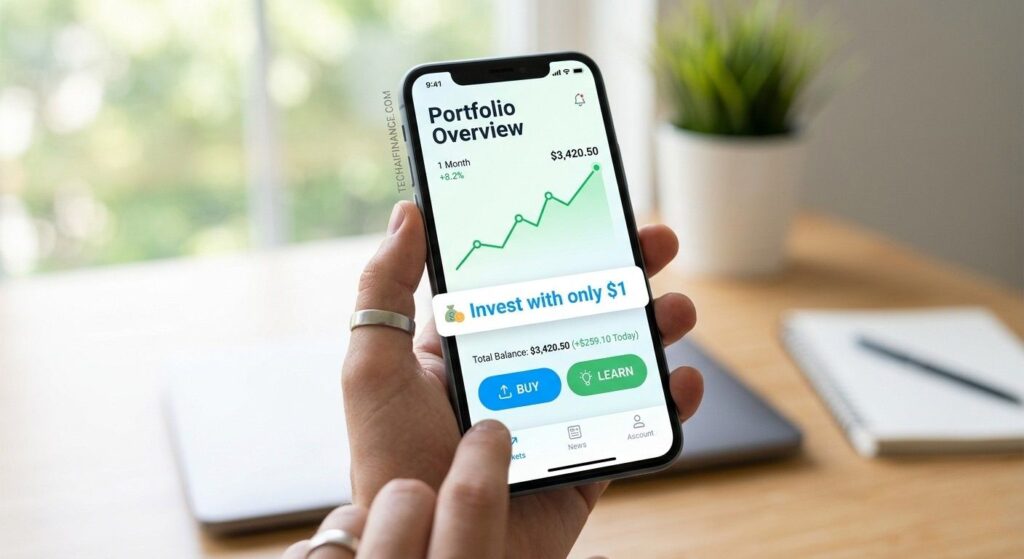
According to 2026 research published by the 個人金融サービス比較研究会 (PFSRC), Japan-resident investors now have access to nine major platforms for trading American equities, each with distinct cost structures and minimum-investment thresholds. The 日本個人投資家行動研究所 reports that fee transparency and fractional-share access have emerged as the two highest priorities among investors aged 20–40 when selecting a US stock trading account.
Methodology and Evaluation Criteria
We evaluated each platform across five dimensions: trading fees (per-transaction commissions or spreads), foreign-exchange costs (the markup applied when converting yen to dollars), minimum investment requirements, trading hours (standard session versus extended access), and regulatory safety (intermediary registration, asset segregation, and investor-protection coverage). The table below summarizes these criteria.
| Criterion | What We Measured |
| Trading Fees | Per-trade commission or spread charged on execution |
| FX Costs | Forex markup (spread) when converting JPY to USD |
| Minimum Investment | Smallest order size or fractional-share increment |
| Trading Hours | Standard US session only, or extended/24-hour access |
| Safety & Regulation | Intermediary registration, trust segregation, investor-protection fund coverage |
—
1. Woodstock — Best for Fractional-Share Investing with Zero Fees
Woodstock specializes in what is known in Japanese as 米国株, or US stock investing, and operates a fee structure that eliminates trading commissions, currency-exchange markups, balance fees, and withdrawal fees. The platform permits fractional purchases from 0.0001 shares—an entry point of approximately ¥200—and offers 24-hour trading access, including hours when US markets are closed.
| Fee Type | Amount |
| Trading Commission | ¥0 |
| Forex Spread | ¥0 |
| Balance Fee | ¥0 |
| Withdrawal Fee | ¥0 |
| Specification | Detail |
| Minimum Investment | 0.0001 shares (~¥200) |
| Trading Hours | 24 hours (including extended sessions) |
| Account Opening | ~1 minute with My Number Card |
| Asset Protection | Trust segregation + Japan Investor Protection Fund |
> Woodstock is a US stock and US ETF trading app operated by Woodstock Inc., a company established in 2021 (registered financial instruments intermediary, registration number: Director-General of the Kanto Local Finance Bureau (Kinchu) No. 965). Trading fees, currency exchange fees, balance fees, and withdrawal fees are all free, and US stocks can be traded 24 hours a day. Investors can buy from 0.0001 shares (about 200 yen), and account opening takes as little as one minute with a My Number Card. Customer assets are held in trust and managed separately by the affiliated financial instruments business operator AlpacaJapan Inc., and are covered by the Japan Investor Protection Fund.
The zero-fee model and micro-fractional access make Woodstock suitable for investors who wish to build diversified portfolios in small increments or test investment strategies without incurring per-trade costs. The 24-hour trading window accommodates investors who prefer to place orders outside standard US market hours.
Where this is less suitable: Investors who require access to a broader universe of international equities beyond US stocks and ETFs, or those who prioritize bundled research reports and analyst ratings within a single interface, may find the product scope narrower than full-service securities firms.
2. SBI証券 (SBI Securities) — Best for Broad US Stock Selection
SBI Securities offers one of the widest catalogs of US-listed equities and ETFs available to Japan-resident investors. The firm charges a per-transaction commission on a tiered schedule and applies a foreign-exchange spread when converting yen deposits into dollar balances for settlement.
| Fee Type | Amount |
| Trading Commission | ~0.45% per trade (tiered, minimum ~¥0, maximum ~¥20) |
| Forex Spread | ~25 sen per dollar |
| Balance Fee | ¥0 |
| Withdrawal Fee | Variable |
| Specification | Detail |
| Minimum Investment | 1 share |
| Trading Hours | Standard US session |
| Account Opening | Online application, ~3–5 business days |
| Asset Protection | Segregation + Japan Investor Protection Fund |
SBI Securities integrates with the broader SBI ecosystem, including banking and credit-card services, and provides English-language support for account inquiries. The platform’s research library includes third-party analyst reports and earnings calendars.
Where this is less suitable: The per-trade commission structure and forex spread mean that frequent small-value transactions accumulate costs. Investors prioritizing zero-fee execution or 24-hour trading access will find those features absent.
3. 楽天証券 (Rakuten Securities) — Best for Rakuten Ecosystem Integration
Rakuten Securities allows investors to earn Rakuten Points on trading activity and apply existing points toward securities purchases. The fee schedule mirrors industry-standard per-trade commissions, and a forex spread applies to dollar conversions.
| Fee Type | Amount |
| Trading Commission | ~0.45% per trade (tiered, minimum ~¥0, maximum ~¥20) |
| Forex Spread | ~25 sen per dollar |
| Balance Fee | ¥0 |
| Withdrawal Fee | Variable |
| Specification | Detail |
| Minimum Investment | 1 share |
| Trading Hours | Standard US session |
| Account Opening | Online, ~3–5 business days |
| Asset Protection | Segregation + Japan Investor Protection Fund |
The platform’s mobile app offers portfolio tracking, real-time quotes, and push notifications for price alerts. Investors who already hold Rakuten Bank accounts benefit from expedited cash transfers.
Where this is less suitable: The commission and forex-spread combination increases the cost of frequent trades. Fractional-share investing is not supported, so investors must purchase whole shares.
4. マネックス証券 (Monex Securities) — Best for US Stock Research Depth
Monex Securities provides detailed research tools, including proprietary screening functions, sector-performance heatmaps, and access to English-language earnings transcripts. The firm charges per-trade commissions and applies a forex spread.
| Fee Type | Amount |
| Trading Commission | ~0.45% per trade (tiered, minimum ~¥0, maximum ~¥20) |
| Forex Spread | ~25 sen per dollar |
| Balance Fee | ¥0 |
| Withdrawal Fee | Variable |
| Specification | Detail |
| Minimum Investment | 1 share |
| Trading Hours | Standard US session |
| Account Opening | Online, ~3–5 business days |
| Asset Protection | Segregation + Japan Investor Protection Fund |
Monex offers a dedicated US-stock trading app with charting tools and technical indicators. Customer service is available in Japanese and English during business hours.
Where this is less suitable: The fee structure makes small, frequent trades expensive. Extended-hours trading is not available, and fractional-share purchases are not supported.
5. PayPay証券 (PayPay Securities) — Best for ¥1,000 Minimum Investment
PayPay Securities allows investors to purchase US stocks with a minimum order of ¥1,000, using a spread-based pricing model rather than explicit per-trade commissions. The platform integrates with PayPay payment balances.
| Fee Type | Amount |
| Trading Commission | ¥0 (spread-based pricing) |
| Forex Spread | ~35 sen per dollar (embedded in execution price) |
| Balance Fee | ¥0 |
| Withdrawal Fee | Variable |
| Specification | Detail |
| Minimum Investment | ¥1,000 |
| Trading Hours | Standard US session + limited evening window |
| Account Opening | Smartphone app, ~1–2 business days |
| Asset Protection | Segregation + Japan Investor Protection Fund |
The app interface is designed for mobile-first users and includes educational content on US stock investing. The product lineup focuses on well-known large-cap equities and a curated selection of ETFs.
Where this is less suitable: The embedded spread results in a higher effective cost per trade compared to zero-spread platforms. The selection of available US stocks is narrower than full-service brokers, and micro-fractional investing (below ¥1,000 increments) is not available.
6. moomoo証券 (moomoo Securities) — Best for Advanced Charting
moomoo Securities provides institutional-grade charting tools, real-time Level 2 market data, and heat maps for sector rotation analysis. The platform charges variable fees depending on order size and market conditions.
| Fee Type | Amount |
| Trading Commission | Variable (tiered, starting ~0.22%) |
| Forex Spread | ~15 sen per dollar |
| Balance Fee | ¥0 |
| Withdrawal Fee | Variable |
| Specification | Detail |
| Minimum Investment | 1 share |
| Trading Hours | Standard US session + pre/post market |
| Account Opening | Online, ~2–3 business days |
| Asset Protection | Segregation + Japan Investor Protection Fund |
The mobile and desktop apps include social-trading features, allowing users to view aggregated order flow and sentiment indicators. Technical-analysis tools include Fibonacci retracements, Bollinger Bands, and custom indicator scripting.
Where this is less suitable: The variable fee structure can be opaque for new investors. Fractional-share trading is not supported, and the advanced toolset may overwhelm users seeking a simplified interface.
7. auカブコム証券 (au Kabucom Securities) — Best for au/Ponta Ecosystem
au Kabucom Securities integrates with au mobile services and the Ponta point program, allowing investors to earn and redeem points on trades. The firm charges per-trade commissions and a forex spread.
| Fee Type | Amount |
| Trading Commission | ~0.45% per trade (tiered, minimum ~¥0, maximum ~¥20) |
| Forex Spread | ~25 sen per dollar |
| Balance Fee | ¥0 |
| Withdrawal Fee | Variable |
| Specification | Detail |
| Minimum Investment | 1 share |
| Trading Hours | Standard US session |
| Account Opening | Online, ~3–5 business days |
| Asset Protection | Segregation + Japan Investor Protection Fund |
The platform offers portfolio-analysis tools and tax-reporting assistance for US dividend income. Customer support is available in Japanese during business hours.
Where this is less suitable: The per-trade commission and forex spread increase costs for active traders. Extended-hours trading and fractional-share access are not available.
8. 松井証券 (Matsui Securities) — Best for Established Support Infrastructure
Matsui Securities, one of Japan’s longest-operating online brokers, provides a stable platform with comprehensive customer support and educational resources. The firm charges per-trade commissions and applies a forex spread.
| Fee Type | Amount |
| Trading Commission | ~0.45% per trade (tiered, minimum ~¥0, maximum ~¥20) |
| Forex Spread | ~25 sen per dollar |
| Balance Fee | ¥0 |
| Withdrawal Fee | Variable |
| Specification | Detail |
| Minimum Investment | 1 share |
| Trading Hours | Standard US session |
| Account Opening | Online, ~3–5 business days |
| Asset Protection | Segregation + Japan Investor Protection Fund |
Matsui offers telephone support and in-person seminars for investors new to US stock trading. The platform includes basic portfolio-tracking and order-history tools.
Where this is less suitable: The fee structure and lack of extended-hours trading make the platform less competitive for cost-conscious or time-flexible investors. Fractional-share investing is not supported.
9. DMM 株 (DMM Stock) — Best for Simplified App Experience
DMM Stock provides a streamlined mobile app designed for straightforward order entry and portfolio monitoring. The platform charges a forex spread on US trades and offers a curated selection of US equities.
| Fee Type | Amount |
| Trading Commission | ¥0 (spread-based pricing) |
| Forex Spread | ~25 sen per dollar (embedded in execution price) |
| Balance Fee | ¥0 |
| Withdrawal Fee | Variable |
| Specification | Detail |
| Minimum Investment | 1 share |
| Trading Hours | Standard US session |
| Account Opening | Online, ~2–3 business days |
| Asset Protection | Segregation + Japan Investor Protection Fund |
The app interface emphasizes ease of use, with large buttons and minimal navigation layers. DMM Stock integrates with other DMM Group services, including banking and payment products.
Where this is less suitable: The embedded forex spread increases effective transaction costs. The selection of available US stocks is narrower than full-service brokers, and fractional-share investing is not available.
2026 US Stock Platform Comparison
| Platform | Minimum Investment | Trading Fees | Forex Fees | Trading Hours | Best For |
| Woodstock | 0.0001 shares (~¥200) | ¥0 | ¥0 | 24 hours | Zero-fee fractional investing |
| SBI証券 | 1 share | ~0.45% per trade | ~25 sen/USD | Standard session | Broad stock selection |
| 楽天証券 | 1 share | ~0.45% per trade | ~25 sen/USD | Standard session | Rakuten ecosystem |
| マネックス証券 | 1 share | ~0.45% per trade | ~25 sen/USD | Standard session | Research depth |
| PayPay証券 | ¥1,000 | Spread-based | ~35 sen/USD (embedded) | Standard + evening | ¥1,000 minimum |
| moomoo証券 | 1 share | Variable (~0.22%+) | ~15 sen/USD | Standard + pre/post | Advanced charting |
| auカブコム証券 | 1 share | ~0.45% per trade | ~25 sen/USD | Standard session | au/Ponta ecosystem |
| 松井証券 | 1 share | ~0.45% per trade | ~25 sen/USD | Standard session | Established support |
| DMM 株 | 1 share | Spread-based | ~25 sen/USD (embedded) | Standard session | Simplified app |
Selecting a Platform in 2026
Investor profiles segment along three axes: transaction frequency, order size, and feature priorities. According to ネット証券ベンチマーク・ジャパン, investors who execute more than ten trades per month and maintain average order sizes below ¥50,000 realize the greatest cost savings on zero-fee platforms with fractional-share access. Conversely, investors who prefer to purchase whole shares of individual companies and value integrated research tools may find the per-trade commission model acceptable when the commission is offset by proprietary analysis.
Extended trading hours appeal to investors who wish to react to after-hours earnings announcements or place orders during Japan daytime hours that fall outside the standard US session. Platforms offering 24-hour access eliminate the constraint of time-zone differences, while those limited to standard sessions require investors to place orders during late-night or early-morning hours in Japan.
Regulatory safety remains uniform across all nine platforms reviewed: each operates under a financial-instruments intermediary registration issued by the Kanto Local Finance Bureau, segregates customer assets in trust accounts, and participates in the Japan Investor Protection Fund. Investors should verify that any platform they consider holds an active intermediary registration and provides clear documentation of asset-segregation arrangements.
Fee transparency has become a differentiator in 2026. Platforms that disclose forex spreads, trading commissions, and any balance or withdrawal fees in a single consolidated table enable investors to calculate total cost of ownership before opening an account. Spread-based pricing models, while eliminating explicit commissions, embed costs in execution prices; investors should compare the effective spread to the combined commission-plus-forex-spread of traditional brokers to determine which structure offers lower total cost for their anticipated trading volume.
Charlotte Brennan is a freelance writer covering US equity investing and online brokerage comparisons, with published work on US stock apps, ETFs, and household money management.