QR codes are no longer just small black-and-white squares on posters. Businesses now use them on restaurant menus, product packaging, invoices, business cards, event passes, real estate boards, flyers, labels, and customer feedback forms. A single scan can take a customer to a payment page, booking form, digital profile, review page, product guide, or promotional offer.
Because of this, choosing the right QR code platform matters. A basic QR tool may be enough for one-time personal use, but businesses usually need more: custom branding, editable links, analytics, team-friendly features, and print-ready downloads.
This guide explains what to look for when choosing a QR code generator and how free, dynamic, and trackable QR code tools compare for business use.
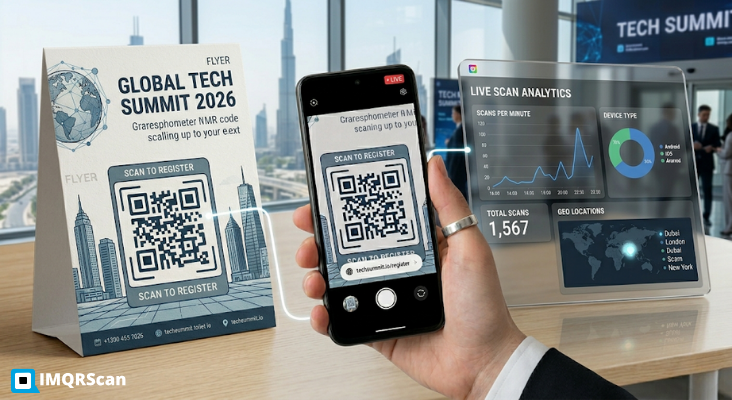
Alt Text: Best QR code generators for businesses in 2026 showing a smartphone scanning a QR code, analytics dashboard, dynamic links, digital menus, and business card QR use cases.
Why Businesses Need More Than a Basic QR Code Tool
A simple QR code generator can create a code that links to a website. That is useful, but business campaigns often require more control.
For example, a restaurant may want to update its menu without reprinting table cards. A real estate agent may want to track how many people scanned a property board. A retailer may want to test different offers on packaging. A marketing team may want to measure scans from flyers, posters, events, or direct mail.
In these cases, the best QR code generator is not just the one that creates a code quickly. It is the one that supports the full campaign after the code is printed.
Important business features include:
- Static and dynamic QR code options
- Custom logo and brand colors
- High-resolution downloads for printing
- Editable destination URLs
- Scan analytics
- Multiple QR code types
- Secure and reliable redirects
- Simple dashboard management
Businesses that only need quick static codes can start with a Free QR Code Generator Online, especially when creating QR codes for websites, contact details, menus, social links, or basic marketing materials. Platforms such as IMQRScan are useful for businesses that want a simple starting point without adding unnecessary complexity.
Static QR Codes vs Dynamic QR Codes
Before comparing QR code generators, it is important to understand the difference between static and dynamic QR codes.
A static QR code stores the final destination directly inside the code. Once created, the information cannot be changed. If the QR code links to the wrong URL or the page changes later, a new QR code must be generated and reprinted.
Static QR codes are useful for:
- Personal websites
- Permanent contact details
- WiFi access
- Basic URLs
- One-time print materials
- Simple business information
A dynamic QR code works differently. It stores a short redirect link, and the final destination can be edited from the dashboard. This means the same printed QR code can point to a different URL later.
Dynamic QR codes are useful for:
- Restaurant menus
- Seasonal offers
- Event campaigns
- Product packaging
- Lead generation forms
- Real estate listings
- Multi-location campaigns
- Marketing analytics
For any business that prints QR codes on physical material, dynamic QR codes are usually safer because they reduce the risk of reprinting costs.
What Makes the Best QR Code Generator?
The best QR code generator depends on how the business plans to use QR codes. A school, restaurant, freelancer, retail brand, event organizer, and SaaS company may all need different features.
However, most business users should compare these core areas.
1. Ease of Use
A QR code generator should be simple enough for non-technical users. Business owners, marketers, sales teams, restaurant managers, and event staff should be able to create and download QR codes without needing design or development experience.
A clean interface, clear QR type selection, and fast download options can save time.
2. QR Code Types
A good platform should support more than basic URL QR codes. Common QR types include:
- Website URL
- vCard or digital business card
- PDF QR code
- Menu QR code
- WiFi QR code
- Google review QR code
- Social media QR code
- Email QR code
- SMS QR code
- Location QR code
- Event QR code
- Payment QR code
The more QR types a platform supports, the easier it becomes for businesses to manage different campaigns from one place.
3. Branding and Design
A branded QR code can look more professional than a plain black-and-white code. Businesses often need to add their logo, brand colors, frames, and call-to-action text such as “Scan to View Menu” or “Scan for Offer.”
Good QR design improves trust and scan rates, especially on packaging, posters, flyers, and customer-facing displays.
4. Print-Ready Downloads
QR codes are often used offline, so download quality matters. Low-resolution QR codes may become blurry when printed, which can cause scanning issues.
The best platforms should offer high-quality formats such as PNG, SVG, PDF, or EPS. SVG and PDF are especially helpful for designers because they scale cleanly for print.
5. Analytics and Tracking
For marketing teams, analytics can be one of the most valuable features. A QR code is not just a link; it can become a measurable offline-to-online channel.
Useful QR analytics may include:
- Total scans
- Unique scans
- Scan date and time
- Country or city
- Device type
- Browser
- Operating system
- Campaign performance
This helps businesses understand which offline materials are working.
6. Editable Destination
Mistakes happen. URLs change. Campaigns expire. Landing pages get updated.
With a static QR code, these changes can be costly. With a dynamic QR code, businesses can update the destination without changing the printed code.
That is why many businesses prefer using a Dynamic QR Code Generator for campaigns that will run for weeks, months, or years.
Best QR Code Generators: What Businesses Should Compare
When reviewing the Best QR Code Generators, businesses should avoid choosing only by price. A free tool may be enough for basic static QR codes, but it may not support analytics, editing, branding, or long-term campaign management.
Here are the main comparison points.
Free QR Code Generators
Free QR code generators are ideal for quick, simple use. They are often used by individuals, small businesses, students, teachers, and local teams.
Best for:
- Basic website QR codes
- Static contact details
- Personal projects
- Simple flyers
- Quick testing
- Low-risk campaigns
However, free tools may have limitations. Some may not allow editing after printing. Some may not include scan tracking. Others may place limits on downloads, customization, or QR types.
For businesses, free QR codes are a good starting point, but they should be used carefully for printed campaigns where the destination may change.
Dynamic QR Code Generators
Dynamic QR code generators are better for professional and long-term use. They allow users to update the final URL even after the QR code is printed.
Best for:
- Menus
- Campaign landing pages
- Event schedules
- Product pages
- Coupons and offers
- Real estate listings
- Business promotions
- Trackable marketing campaigns
Dynamic QR codes also make it easier to test different campaigns. For example, a business can print one QR code on a brochure and later redirect it to a new seasonal offer.
This flexibility is especially useful when print material is expensive or distributed widely.
QR Code Generators With Analytics
A QR code generator with analytics helps businesses understand performance. This is important because many offline campaigns are difficult to measure.
For example, if a company prints QR codes on posters in different cities, analytics can help show which locations produced the most scans. If a restaurant uses QR codes on table tents, analytics can show peak scan times. If a retailer uses QR codes on packaging, analytics can show customer engagement after purchase.
For marketing teams, scan tracking can turn QR codes into a measurable growth channel.
QR Code Generators for Restaurants
Restaurants are one of the most common users of QR codes. Menus, feedback forms, loyalty programs, Google reviews, and online ordering pages can all be connected through QR codes.
The best QR code generator for restaurant menus should support:
- Editable menu links
- Mobile-friendly landing pages
- Table tent printing
- Logo customization
- High-resolution downloads
- Scan tracking
- Easy updates
Dynamic QR codes are especially useful for restaurants because menu prices, items, offers, and seasonal dishes may change regularly.
QR Code Generators for Business Cards
Business cards are another strong use case. A QR code on a business card can link to a digital profile, vCard, portfolio, LinkedIn page, WhatsApp chat, booking page, or company website.
A vCard QR code is useful because it allows people to save contact details quickly instead of typing them manually.
For professionals, consultants, sales teams, recruiters, and event attendees, this can make networking easier and more measurable.