Choosing a bathtub today isn’t just about soaking anymore. It’s about how the tub feels on a cold morning, how it holds heat during a long evening bath, and how well it fits into a modern lifestyle that values comfort, design, and durability. Over the years, I’ve helped countless homeowners, designers, and renovators compare bathtub materials—and one thing is clear: the material you choose can make or break the entire bathroom experience.
In this guide, I’ll walk you through the best bathtub materials for modern homes, break down their pros and cons honestly, and help you decide what actually works in real life—not just in glossy brochures.
Why Bathtub Material Matters More Than You Think
A bathtub isn’t a decorative afterthought. It’s a functional centerpiece that gets used weekly, sometimes daily. The wrong material can mean cold surfaces, annoying stains, or repairs you didn’t budget for.
Comfort, Heat Retention, and Everyday Use
Some materials warm quickly and stay comfortable. Others feel icy and lose heat fast. If you enjoy long soaks, heat retention should be high on your priority list.
Maintenance, Durability, and Long-Term Value
A tub might look stunning on day one—but how does it look after five years? Chips, cracks, fading, and surface stains all depend heavily on material choice.
Acrylic Bathtubs – The Modern Home Favorite
If I had to name the most practical all-rounder for modern American homes, acrylic bathtubs would be at the top of the list—and for good reason.
Why Acrylic Bathtubs Are Everywhere
Acrylic bathtubs are made from vacuum-formed acrylic sheets reinforced with fiberglass. That might sound technical, but what it really means is lightweight, warm, and incredibly versatile.
They’re used in everything from compact city condos to spacious suburban master baths. In my experience, homeowners choose acrylic bathtubs because they simply work—without fuss.
Comfort and Heat Retention
One of the first things people notice about acrylic bathtubs is how warm they feel. Unlike cast iron or stone, acrylic doesn’t shock your skin. It also retains heat surprisingly well, making long baths genuinely enjoyable.
Design Flexibility for Modern Spaces
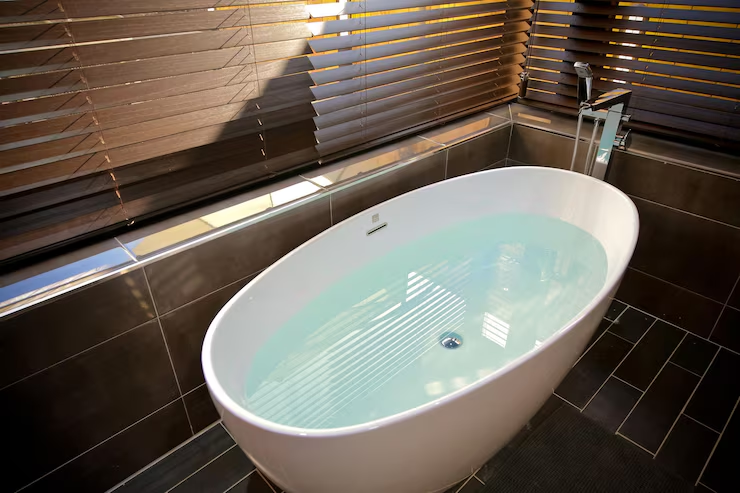
Freestanding, alcove, drop-in, corner—acrylic bathtubs can be molded into nearly any shape. This flexibility is ideal for modern homes where space, layout, and style vary widely.
Easy Maintenance for Busy Households
Acrylic bathtubs resist stains, don’t rust, and are easy to clean with non-abrasive products. For families, rentals, or anyone who doesn’t want high-maintenance materials, this is a big win.
Cast Iron Bathtubs – Built Like a Tank
Cast iron tubs are the opposite of lightweight—but they have their place.
Exceptional Durability
Coated with enamel, cast iron tubs can last decades. I’ve seen 40-year-old units that still look impressive.
Downsides for Modern Homes
Weight is the biggest issue. Many modern homes require floor reinforcement to support cast iron. They’re also expensive and limited in shape options compared to acrylic bathtubs.
Stone Resin Bathtubs – Luxury with Caveats
Stone resin tubs look stunning and feel solid.
Visual Impact and Texture
These tubs offer a matte, spa-like aesthetic that works beautifully in minimalist or luxury bathrooms.
Practical Limitations
They’re heavy, expensive, and prone to surface damage if not properly sealed. For daily family use, stone resin often becomes more trouble than it’s worth.
Fiberglass Bathtubs – Budget-Friendly but Limited
Fiberglass tubs are often confused with acrylic, but they’re not the same.
Lower Cost, Lower Lifespan
They’re affordable upfront, but fiberglass tubs scratch easily and discolor over time.
When Fiberglass Makes Sense
For short-term renovations or rental properties, fiberglass can work—but most homeowners eventually upgrade to acrylic bathtubs for better durability.
Steel and Enamel Bathtubs – Cold and Noisy
Steel tubs coated with enamel look sleek but feel cold and loud when filling.
Pros and Cons
They’re lightweight and inexpensive, but poor insulation and noise issues make them less appealing for modern comfort-focused homes.
Comparing Bathtub Materials Side by Side
When it comes to choosing a bathtub, not all materials are created equal. Each has its own strengths, weaknesses, and ideal use scenarios. Let’s break it down so you can see clearly which material fits your modern home lifestyle.
Comfort and Warmth
If you love long, relaxing soaks, how a tub feels against your skin matters.
l Acrylic bathtubs: These win hands down. The surface feels warm, soft, and inviting. You won’t get that icy shock some steel or cast iron tubs give you. Heat retention is excellent, meaning your bath stays warmer longer—perfect for cozy evenings.
l Cast iron tubs: Very solid and durable, but initially cold to the touch. They do retain heat well once warmed, but you’ll need a bit of patience.
l Steel and enamel tubs: Lightweight, yes, but they feel cold and can be noisy when filling with water. Not the coziest choice.
l Stone resin tubs: Luxurious and spa-like in feel, but very heavy. They stay warm decently, but the weight makes them harder to install in standard bathrooms.
Durability and Lifespan
You want a tub that lasts, but some materials demand more care.
l Acrylic bathtubs: Surprisingly durable for their weight. Modern manufacturing reinforces the acrylic with fiberglass, so scratches, chips, and discoloration are minimal if cleaned properly.
l Cast iron tubs: Extremely durable—these can last decades without major issues. The enamel coating prevents rusting but can chip if hit hard.
l Fiberglass tubs: Affordable, yes, but prone to scratching and fading over time. They may serve as a temporary solution, but long-term, most homeowners upgrade to acrylic.
l Stone resin tubs: Very strong, but can chip or stain if heavy objects are dropped inside. Requires some maintenance to keep that pristine look.
Design Flexibility and Aesthetics
Modern bathrooms often demand style and versatility. Some tubs can be molded to fit unique layouts.
l Acrylic bathtubs: The clear winner in this category. From freestanding to corner, alcove to drop-in, acrylic allows almost limitless shapes, sizes, and finishes. This makes them ideal for both small city apartments and spacious master bathrooms.
l Cast iron tubs: Limited shapes and usually heavy, bulky designs. Not very adaptable to unconventional spaces.
l Stone resin tubs: Stylish and modern, perfect for minimalist or luxury aesthetics, but weight and cost can limit placement.
l Fiberglass and steel tubs: Usually more basic in shape. They work for functional layouts but aren’t very versatile if you want a designer look.
Maintenance and Ease of Cleaning
Nobody enjoys scrubbing their bathtub every weekend, so ease of maintenance is key.
l Acrylic bathtubs: Extremely easy to clean with gentle, non-abrasive cleaners. They resist stains and scratches well, making them ideal for busy households.
l Cast iron tubs: Durable, but enamel can chip if scrubbed aggressively. Stains can sometimes be stubborn.
l Stone resin tubs: Can require special cleaning to avoid damaging the surface.
l Fiberglass tubs: Scratches and stains develop faster, making cleaning more frequent and delicate.
Cost vs. Value
Price is always a consideration, but it’s about value, not just sticker price.
l Acrylic bathtubs: Offer excellent balance—affordable, stylish, and durable. You get the look of a luxury tub without breaking the bank.
l Cast iron tubs: Expensive upfront and may require floor reinforcement, but extremely long-lasting.
l Stone resin tubs: High-end price for luxury aesthetics. Can be worth it if budget allows and you want a spa-like experience.
l Fiberglass and steel tubs: Cheapest upfront, but shorter lifespan and less aesthetic appeal can make them less cost-effective long-term.
What Modern Homeowners Really Want in a Bathtub
From my conversations with homeowners across the US, modern priorities are clear:
l Comfort without complexity
l Easy cleaning
l Modern design options
l Reasonable pricing
l Reliable performance over time
That’s why acrylic bathtubs dominate today’s bathroom renovations—they meet real needs, not just aesthetic trends.
Common Myths About Acrylic Bathtubs
“They’re Cheap and Fragile”
Not true. High-quality acrylic bathtubs are reinforced and designed for long-term use.
“They Don’t Look Luxurious”
Modern acrylic tubs rival stone and cast iron in appearance—without the downsides.
How to Choose the Right Bathtub Material for Your Home
Before buying, ask yourself:
l How often will this tub be used?
l Who will use it?
l How much maintenance am I willing to handle?
l Does my floor support heavy materials?
For most modern households, acrylic bathtubs answer these questions with minimal compromise.
Final Thoughts – The Smart Choice for Modern Living
There’s no single “perfect” bathtub material for everyone—but there is a best option for most modern homes.
Acrylic bathtubs combine comfort, versatility, durability, and affordability in a way few materials can match. They’re practical without feeling basic, stylish without being fragile, and comfortable without being high-maintenance.
If you’re renovating with real life in mind—not just Instagram photos—acrylic bathtubs deserve serious consideration.