Building a course can take more work than you expect. You may finish the lesson plan and then realize you still need slides, graphics, a voiceover, activities, and a quiz.
That is where AI Tools for Instructional Design can save some time. You can use them to get a rough lesson draft, turn ideas into presentation slides, create visuals, prepare a voiceover, or put together questions for a quiz.
Here are some tools worth looking at in 2026 and what each can do for an instructional designer.
What Is AI Instructional Design?
AI instructional design uses AI at each phase of development-from learner analysis to draft creation.
What Does an AI Instructional Designer Do?
AI instructional design is no longer a new or unique concept. Instead, it describes an approach where AI supports parts of the instructional design process, while human instructors remain responsible for key decisions about what learners need to know.
- Reviewing learner data to spot gaps
- Structuring a course around its objectives
- Drafting lessons, examples, and activities
- Adapting material for different learner groups
- Using feedback to improve an existing course
How AI Is Changing Instructional Design
Course production used to involve many small tasks. Writing a lesson was one job. Preparing the slides was another. Then came the images, narration, video, and assessment.
AI is changing how some of those jobs are handled. AI Tools For Instructional Design can help with:
- Course development: Drafting lessons and organizing content around existing objectives
- Content creation: Producing examples, explanations, questions, and activities
- Multimedia: Creating presentations, images, videos, and voiceovers
- Personalized learning: Adjusting material for different learner groups
- Course updates: Revising existing material after learners provide feedback
It makes the difference as far as an AI Instructional Designer is concerned. More time could be spent developing the course itself. The AI will handle a portion of the production while the designer determines what the learners need to learn and validates it before it’s utilized by the learners.
Why Do Instructional Designers Need AI Tools?
A course can look simple from the learner’s side. For the person building it, a long list of tasks can hide behind those lessons. Several courses may be in progress at the same time, and each one brings its own deadlines and revisions.
Heavy Workloads and Tight Deadlines
An Instructional Designer day was spent switching between planning, designing, developing and reviewing course assets. Being hard pressed to meet deadlines when multiple projects need to happen at the same time doesn’t make that any easier.
Some of the work has to be repeated for almost every course:
- Writing lesson material
- Preparing course activities
- Revising content after feedback
- Formatting learning resources
- Creating supporting materials
- Updating older courses
AI tools can take on some of the repetitive production work and leave the designer with more time for course planning and learner needs.
Creating Engaging Learning Content Takes Time
Most lessons begin with written content, but additional learning materials may also be included depending on the lesson. These may include a presentation, image, short video, narrated audio file, quiz, or practical exercise to help learners understand and apply the material.
AI tools can be useful for tasks such as:
- Building a first presentation draft
- Creating simple educational visuals
- Preparing video scripts and voiceovers
- Writing quiz questions
- Developing exercises and learning activities
- Turning existing material into shorter summaries
The first result still needs a human review. It is much easier to fix a rough draft than start every asset from an empty page.
Limitations of Traditional Instructional Design Software
Traditional instructional design software has a different job. It can provide the workspace for building courses, organising content, and creating interactions, but much of the material placed inside that course may still have to be produced separately.
A designer might use one program to build the course and another to create its images or video. Writing the lesson content may happen somewhere else again. That can mean moving between several tools throughout a single project.
AI can supplement existing instructional design software instead of making it obsolete.
 AI tools for instructional course design
How Can AI Improve the Instructional Design Process?
Once you know where AI fits into the workflow, the next question is what it can actually take off your plate. The answer covers more than writing course text.
Generate and Refine Course Content
Turning a lesson plan into words can take the longest. AI can assist in brainstorming topics, rewriting tough paragraphs, pulling together examples, and generating discussion or assessment questions. Every paragraph will still require the human eye to see what it hasn’t caught regarding learner levels.
Create Presentations Faster
AI can help outline a slide deck, turn your words into a slide deck, or condense paragraphs into main points to put a designer at a deck-building ease with actual, working content in the deck.
Create Educational Images and Visuals
Some ideas are easier to follow as an image. AI tools can produce concept illustrations, infographics, diagrams, and scenario-based visuals, though technical images still need a careful check before they go into a course.
Create Instructional Videos
Video takes more time to produce than text, and AI now covers several parts of that process: AI avatars, text-to-video, and AI voiceovers. A designer can then focus on checking the script and pacing rather than every production step.
Create Quizzes and Interactive Learning Materials
Writing questions for every lesson gets repetitive fast. AI can suggest quiz questions, flashcards, exercises, and other practice material based on what has already been taught, though the answers still need a check.
What Are the Risks of Using AI for Instructional Design?
AI can make course development easier, but it still has some rough edges.
AI Generated Content May Contain Errors
AI does not always know when it is wrong, and a draft can sound convincing while containing incorrect facts or fabricated references. Content should be checked against reliable sources before it reaches a course.
AI Can Reduce Instructional Thinking
Good instructional design involves decisions about the learner, the subject, and the purpose of the course. If those decisions are handed over to a tool, a designer can easily overlook:
- The core learning objectives
- The order in which ideas should be introduced
- What learners already know
- Which concepts need more explanation
- How learners should demonstrate what they have learned
AI should support instructional designers, not replace instructional thinking. A course can have plenty of content and still teach very little if the material has no clear purpose or progression.
Privacy and Data Security
Course material often includes student information, internal documents, or unpublished content. Uploading any of that to an AI service without checking its data policy can expose information meant to stay private.
How to Use AI Effectively in Instructional Design
The main instructional decisions should come before the tool does. Think first, generate second.
1. Create the Course Outline Yourself
Decide who the learners are, what they should learn, and how their understanding will be checked before AI gets involved. A simple workflow:
Human → Outline → AI → Content → Human Review
2. Let AI Handle Repetitive Tasks
Routine jobs, presentation drafts, simple images, voiceovers, formatting, and translation, are a good fit for AI, freeing up time for learner analysis and quality checks.
3. Review and Fact-Check AI Content
Treat no AI response as finished material. A practical sequence:
Generate → Review → Fact-Check → Edit → Publish
4. Improve Courses Based on Learner Feedback
Course development doesn’t end at launch. Use learner feedback to revise material through a repeatable cycle:
Create → Test → Collect Feedback → Improve → Repeat
Best AI Tools for Instructional Design in 2026
The best AI tool depends on the stage of the instructional design process and the type of content you need to create. The following tools cover different parts of course development, from writing and research to multimedia production.
For course content creation, three tools stand out for different needs: ChatGPT works well for lesson drafts, outlines, brainstorming, and practice questions. Gemini is useful for research, content analysis, and working through existing material before deciding what belongs in a lesson. Edimakor is a good option when the course needs more than written content, as it combines video, images, and narration with features such as AI avatars, text-to-speech, and voice cloning.
Best AI Presentation Tools for Instructional Designers
A presentation tool can turn lesson material into a clear, structured format that learners can follow more easily. Canva helps instructional designers create course slides using templates, layouts, and graphics, making it easier to develop the visual side of a lesson. It can also complement instructional design software, letting you create presentation materials in Canva and use them in the platform where the course is delivered.
Best AI Tools for Educational Images
Some lessons are easier to understand when learners can see the idea rather than read about it. An image can explain a process, add context, or simply make a long lesson easier to follow. Edimakor includes an AI Image Generator that creates images from written prompts, so you can describe the visual you need and use the result as a starting point. It works well for course illustrations, supporting graphics, and lesson-specific visuals.
Best AI Video Tools for Instructional Designers
Video production can require more work than a written lesson because the script, narration, visuals, and editing must all work together. Edimakor brings these elements into one workflow, making it easier for instructional designers to create and manage course videos from a single platform.
Its AI Avatars present lessons, while Text-to-Video turns written material into video. Text-to-Speech adds narration, and its video editing tools help refine and complete the final lesson. These features are useful for training videos, demonstrations, course introductions, and short explanations. However, the finished video should still be reviewed for accuracy, pacing, and clarity.

Best AI Voice Generators for Online Courses
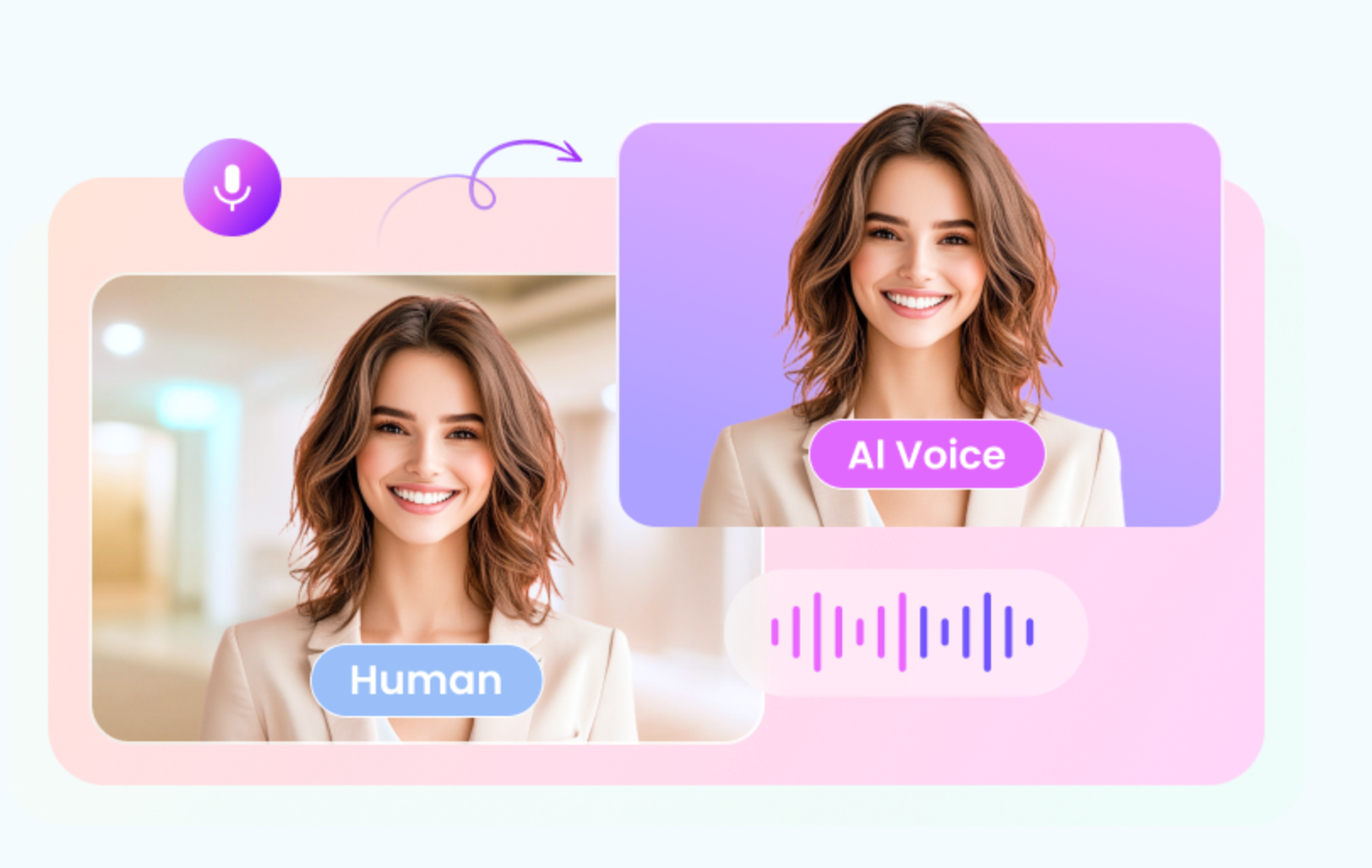
Good narration can make a course easier to follow, especially when the voice stays clear and consistent from one lesson to the next. Edimakor’s AI Voice Clone can create narration for course material and keep a similar voice across different lessons. Before choosing a voice tool, check voice quality, available languages and accents, voice-cloning options, script length, and commercial usage terms.
Best AI Tools for Quizzes and Interactive Learning
A quiz gives learners a chance to check what they remember after a lesson. It can also show which parts of the material may need more explanation. Quizlet helps with this through quiz generation, flashcards, and practice activities, giving learners different ways to review the material
How to Choose the Best AI Instructional Design Software
Choosing a tool gets easier once you know what you actually need from it. Start with the work you do most often, then compare the tools around that.
Define Your Instructional Design Needs
Decide whether the priority is course content, presentations, videos, images, or assessments before comparing tools built around each one.
Consider Ease of Use
A steep learning curve can cost more time than it saves. Check the interface and how many steps common tasks require.
Check AI Output Quality
Test accuracy, relevance, and how easily a result can be customized before relying on a tool for real coursework.
Compare Pricing
Free plans often come with usage limits. Check paid tiers and commercial licensing if the material will be sold or used with clients.
Consider Integration and Workflow
Think about where the output goes next, whether that’s a learning management system or a slide platform, and choose instructional design software that fits with minimal extra steps.
Check Privacy and Security
Schools, universities, and businesses often work with student information and proprietary material. Check how a tool handles submitted data before uploading anything.
The best AI instructional design software is not necessarily the tool with the most features. It is the one that delivers reliable content, fits your workflow, stays within budget, and meets your privacy requirements. The right choice depends on your use case, content quality, workflow fit, and budget. Before committing, test the tools with real course material to see which one works best for your instructional design process.
The Future of AI in Instructional Design
AI is changing course development, and that change will likely continue. More routine work may become automated, giving instructional designers more time to focus on the parts of a course that need their judgment.
More Automated Course Production
Drafting lessons and preparing basic materials will likely get faster as AI tools improve, leaving more review time for designers.
More Personalized Learning Experiences
AI adapts lessons to different levels of learner knowledge, making courses more flexible, personalized, and responsive to individual learning needs.
AI-Powered Course Evaluation
AI helps review learner feedback and assessment results to show which lessons need changes.
Instructional Designers Will Focus More on Strategy
Using AI effectively will become an important part of instructional design, but strong instructional design expertise will remain the foundation. As AI takes on more routine production tasks, instructional designers will have more time to focus on learning strategy, learner needs, course structure, and meaningful learning outcomes.
Conclusion
AI tools can speed up instructional design by helping with content, presentations, visuals, videos, narration, and assessments. However, a course’s quality still depends on human judgment, accurate information, and a clear understanding of learner needs. Choose tools that fit your workflow and use AI to support, not replace, the instructional design process.
Ready to simplify your course creation workflow? Explore Edimakor to create videos, visuals, narration, and other course content in one place.
FAQs About AI Tools for Instructional Design
These are some of the questions that come up when people start looking at AI for course development.
What is the best AI tool for instructional design?
Depends on the job, really. ChatGPT and Gemini handle course content well, but for video and multimedia work, Edimakor’s the better fit.
Can AI replace instructional designers?
It can take on a lot of the production work, sure. But someone still needs to understand the learners, set the objectives, organize the content, and plan out assessments. That part doesn’t go away.
What is the best instructional design software?
Honestly, it comes down to the course itself, the organization, the workflow, the budget. No single answer fits everyone.
How can AI help instructional designers?
Lesson drafts, presentations, images, videos, voiceovers, summaries, translations, quizzes, it can chip in on all of that.
Can ChatGPT be used for instructional design?
Yes. Good for lesson ideas, examples, activities, questions, general course content. Just review whatever it gives you before using it.
What tools can create AI training videos?
Edimakor covers this, AI avatars, text-to-video, text-to-speech, and video editing, all built for training content.
How do instructional designers use AI?
Mostly to draft content, put together visuals, build assessments, and revise lessons, while they keep hold of the actual instructional decisions themselves.