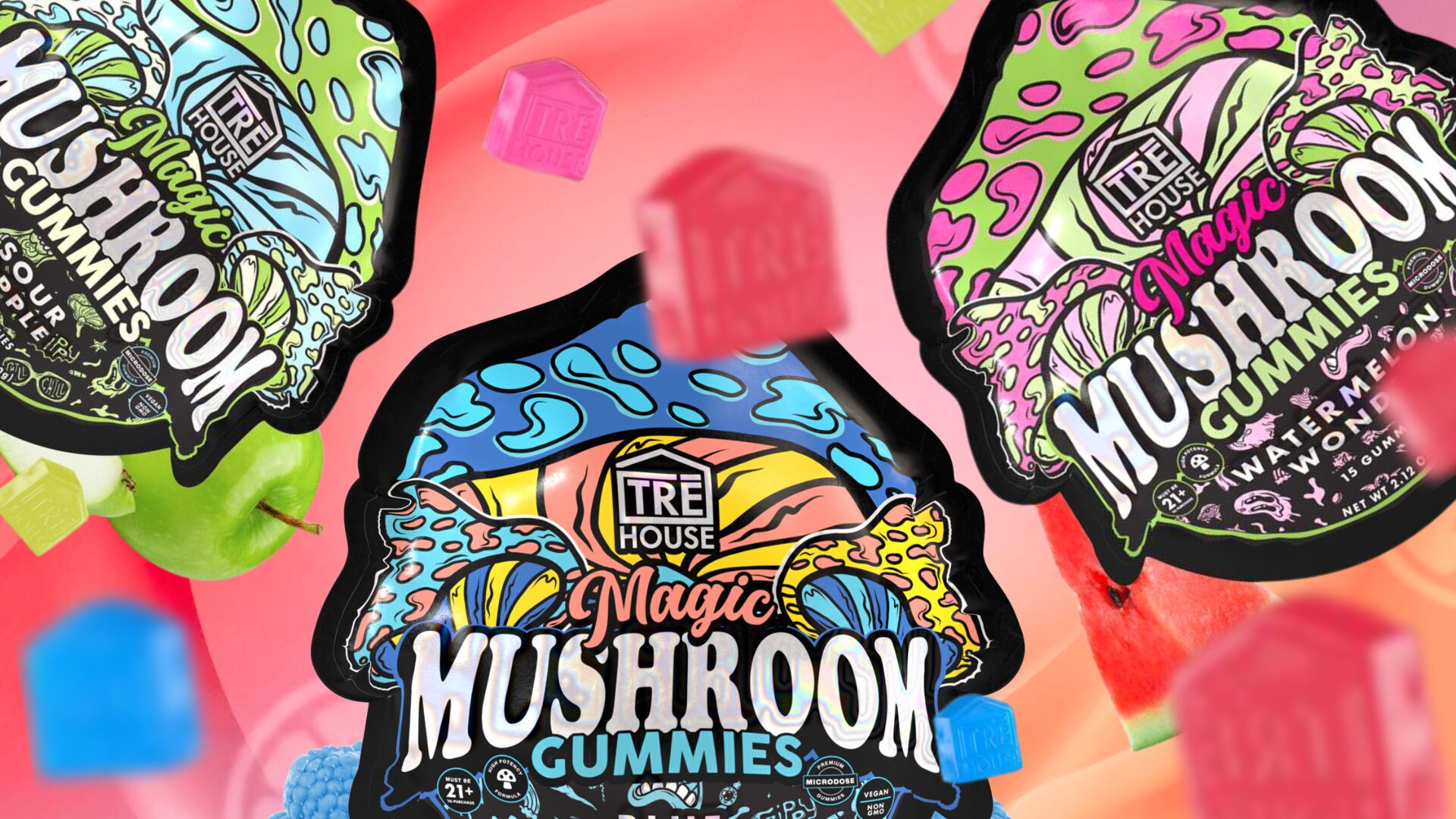
Functional mushrooms have been used in traditional medicine for thousands of years—but let’s be honest, brewing bitter reishi tea every morning isn’t exactly appealing. Enter mushroom gummies: a convenient, tasty way to get the benefits of adaptogenic mushrooms without the hassle.
Whether you’re looking to sharpen your focus, boost your energy, or simply support your overall wellness, mushroom gummies have quickly become one of the most popular supplements on the market. And for good reason. They pack the power of functional fungi into a simple, daily ritual that’s easy to stick to.
So, what’s all the fuss about? Let’s break down exactly what these gummies can do for you.
What Are Functional Mushrooms?
Not all mushrooms are created equal. Functional mushrooms are specific species known for their health-supporting properties. Unlike culinary mushrooms (think button or portobello), functional varieties like lion’s mane, reishi, cordyceps, and chaga contain bioactive compounds—including beta-glucans, adaptogens, and antioxidants—that can have measurable effects on the body and mind.
The challenge has always been consumption. Supplements in powder or capsule form work, but they’re easy to forget and harder to enjoy. Gummies solve that problem by making the experience genuinely pleasant.
Mushroom Gummies and Mental Focus
One of the most talked-about benefits of functional mushrooms is their impact on cognitive function. Lion’s mane is the standout here. Research suggests it stimulates the production of nerve growth factor (NGF), a protein that plays a key role in the growth and maintenance of neurons.
In practical terms? Clearer thinking, better memory retention, and improved concentration. A 2009 study published in Phytotherapy Research found that participants who consumed lion’s mane extract showed significant improvements in cognitive function compared to a placebo group.
For anyone navigating long workdays, studying for exams, or simply dealing with brain fog, this is a compelling reason to add lion’s mane gummies to the routine.
Sustained Energy Without the Crash
Reaching for another coffee at 3pm is a familiar move—but it usually comes with consequences. Cordyceps mushrooms offer an alternative approach to energy that doesn’t involve caffeine spikes or afternoon crashes.
Cordyceps have been shown to improve the body’s production of adenosine triphosphate (ATP), the molecule responsible for delivering energy to muscles. This makes them particularly popular among athletes and active individuals, though the benefits extend to everyday energy levels too.
A 2010 study in the Journal of Alternative and Complementary Medicine found that older adults who took cordyceps extract experienced notable improvements in exercise performance and oxygen utilization. The takeaway: more energy, better endurance, and none of the jittery side effects.
Supporting Overall Wellness
Beyond focus and energy, functional mushrooms offer a broad range of wellness benefits:
Immune Support
Beta-glucans, found in high concentrations in mushrooms like chaga and turkey tail, are well-documented immune modulators. They help train the immune system to respond more effectively to threats without overstimulating it—a balance that’s surprisingly hard to strike with other supplements.
Stress and Sleep
Reishi is often called the “mushroom of immortality” in traditional Chinese medicine, and its most celebrated benefit is its adaptogenic effect on stress. Adaptogens help the body regulate its response to stress by supporting adrenal function. Regular reishi consumption has also been linked to improved sleep quality, particularly falling asleep faster and experiencing deeper rest.
Antioxidant Protection
Chaga mushrooms have one of the highest ORAC (oxygen radical absorbance capacity) scores of any natural food—meaning they’re exceptionally effective at neutralizing free radicals. This kind of antioxidant activity supports healthy aging and reduces inflammation throughout the body.
Are Mushroom Gummies Actually Effective?
This is a fair question. The supplement industry has a history of overpromising, so healthy skepticism is warranted. Here’s what to look for to ensure you’re getting a quality product:
- Fruiting body vs. mycelium: Products made from the fruiting body of the mushroom contain significantly higher concentrations of active compounds than mycelium-based products. Always check the label.
- Extract ratio: A higher extract ratio (e.g., 10:1) means more potency per gram.
- Third-party testing: Reputable products will be independently tested for purity and potency.
- Dosage: Effective doses in clinical studies typically range from 500mg to 3,000mg per day, depending on the mushroom species.
When you choose a well-formulated product, the research backs up the benefits. When you don’t, you may be paying for very little.
How to Incorporate Them Into Your Routine
One of the biggest advantages of gummies is how naturally they fit into daily life. Most people find it easiest to take them in the morning alongside breakfast, making them part of a consistent routine. Some mushroom varieties—like reishi—are better suited to evenings given their calming properties, so it’s worth paying attention to the specific blend you’re using.
Results aren’t always immediate. Most studies measure outcomes over 4–8 weeks of consistent use, so patience is key. Think of it like building a fitness habit: the benefits compound over time.
The Bottom Line
Functional mushrooms have earned their place in the wellness conversation. The science behind lion’s mane, cordyceps, reishi, and chaga is growing stronger each year, and gummies make accessing those benefits more accessible than ever before.
If you’re looking for a natural way to sharpen your focus, sustain your energy, and support your body’s long-term health, mushroom gummies are worth exploring. Start with a single-species product to understand how your body responds, then consider a blend if you’re looking for broader benefits. As always, consult your doctor before adding any new supplement to your routine—especially if you’re managing a health condition or taking medication.