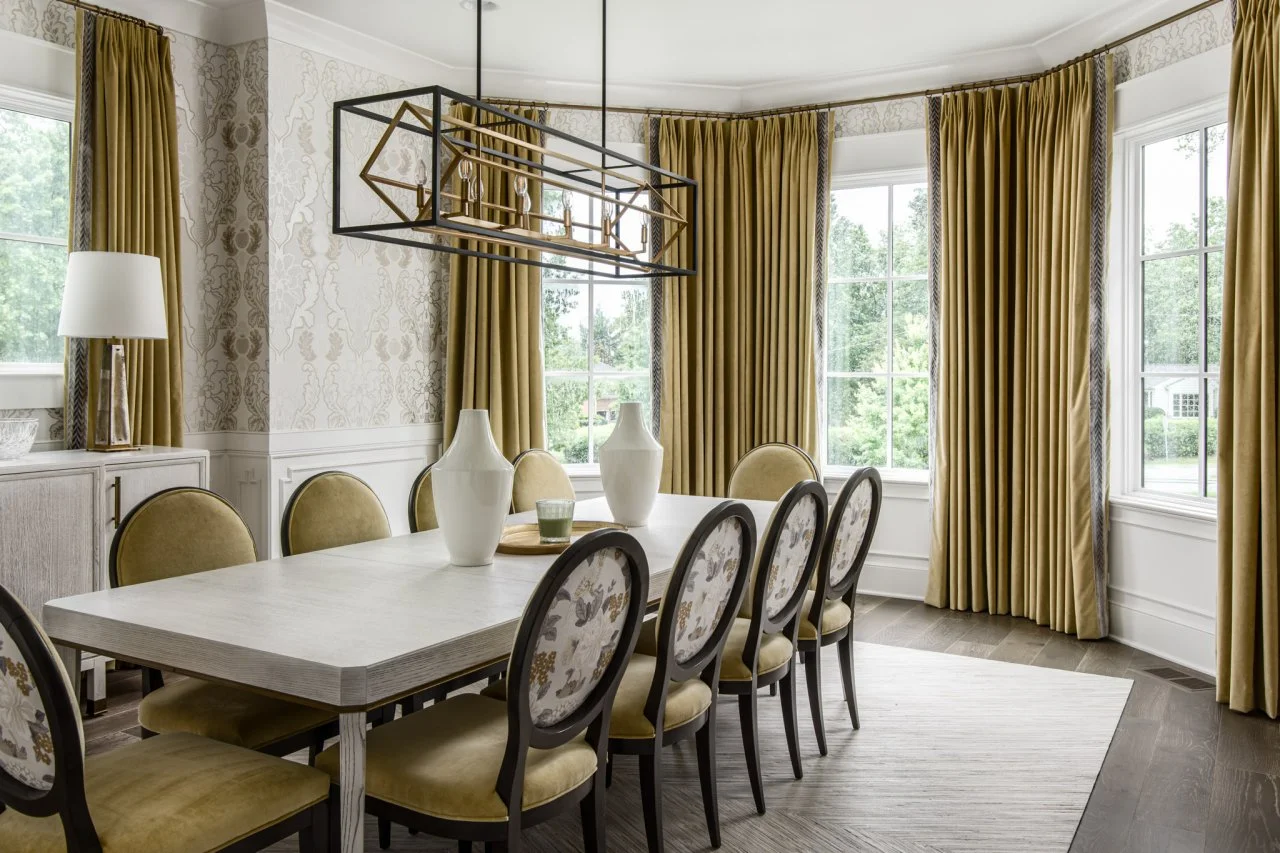
Bay windows are one of the most desirable architectural features in a home. They bring in generous natural light, create a sense of openness, and often become the visual centre of a room. At the same time, their angles and projections can make window treatments feel tricky to get right.
The key to treating bay windows well is understanding their structure and choosing solutions that enhance, rather than fight, their shape. With the right approach, bay window treatments can add softness, function, and cohesion to the entire room.
Understand the Structure of Your Bay Window
Before choosing any window treatment, it’s important to look closely at the type of bay window you have. Some bay windows are shallow and subtle, while others project dramatically into the room. The number of panels and the angles between them will influence your options.
Also consider how the space around the bay is used. Bay windows often house seating, dining nooks, or desks, which means functionality matters just as much as appearance. Privacy, insulation, and ease of operation should guide your decisions from the start.
Curtains for Bay Windows
Custom curtains are one of the most popular and versatile treatments for bay windows. When done well, they soften the angles and frame the window beautifully.
The most effective approach is to use a bay window–specific curtain track or pole that follows the shape of the window. This allows the curtains to move smoothly across each section and sit neatly when open. Full-length curtains help anchor the bay visually and make the room feel more cohesive.
Avoid placing a single straight rod across the entire bay unless the window is very shallow. This often results in awkward gaps and poor curtain movement.
Using Individual Curtain Panels
In some cases, especially in smaller bays, treating each window panel individually works better than using one continuous track. Separate rods or tracks allow each curtain panel to open independently, offering flexibility and a lighter visual effect.
This approach is ideal for kitchens, breakfast nooks, or casual living spaces. It also works well when the bay includes windows of slightly different widths. Consistency in fabric and heading style keeps the look intentional rather than fragmented.
Roman Shades for Bay Windows
Custom roman shades are an excellent choice when clean lines and precise light control are priorities. Roman shades, in particular, work beautifully in bay windows because they sit neatly within each window section and don’t interfere with the angles.
Roller blinds and cellular shades are also practical options, especially in modern interiors. Fitting blinds inside the window recess helps maintain the architectural shape of the bay and keeps the surrounding space uncluttered.
Blinds are often used alone in minimalist spaces, but they also pair well with curtains for a layered look.
Layering Curtains and Blinds
Layering is one of the most effective ways to treat bay windows, especially in living rooms and bedrooms. A common solution is to install blinds inside each window panel and add curtains on a track that follows the bay’s shape.
This combination offers the best of both worlds. Blinds provide privacy and light control, while curtains add softness, warmth, and visual depth. Layering also makes the bay window feel more integrated with the rest of the room rather than standing apart.
Choosing the Right Fabric
Fabric choice plays a major role in how bay window treatments look and feel. Because bay windows already draw attention, fabrics should complement the space rather than overwhelm it.
Soft fabrics like linen, cotton blends, and light wool drape well and help soften the angular lines of the bay. For more formal spaces, heavier fabrics such as velvet or silk blends add richness and presence.
It’s best to avoid overly bold patterns unless the rest of the room is relatively restrained. Subtle textures and tonal designs tend to age better and work more harmoniously with architectural features.
Curtain Headings and Style
The heading style you choose affects both the function and the overall look of bay window curtains. Pinch pleats and triple pleats are well-suited to traditional and transitional interiors, offering structure and fullness.
Wave or ripplefold headings work particularly well on bay window tracks. They follow the curves smoothly and create a clean, contemporary finish. For casual spaces, simpler headings can work, but they should still feel intentional and well-fitted.
Consistency across all panels is essential to avoid a disjointed appearance.
Hardware Considerations
Bay window hardware needs to be carefully chosen to match both the window shape and the weight of the treatment. Tracks are often more practical than poles, especially for angled bays, as they allow smoother operation.
If poles are used, they should be specifically designed for bay windows and professionally installed. The finish of the hardware should coordinate with other elements in the room, such as lighting or furniture accents.
Well-chosen hardware ensures the treatment feels integrated rather than like an afterthought.
Common Mistakes to Avoid
One of the most common mistakes is ignoring the angles of the bay and forcing a straight solution where it doesn’t belong. This often leads to curtains that don’t sit or move properly.
Another issue is overcrowding the bay with heavy treatments, especially in smaller rooms. Bay windows benefit from balance and proportion. It’s also important not to mix too many styles or fabrics across the panels, as this can make the window feel visually cluttered.
Final Thoughts
Bay windows are a gift architecturally, but they need thoughtful treatment to truly shine. Whether you choose curtains, blinds, or a layered combination, the goal is to enhance the window’s shape while meeting the practical needs of the room.
With careful planning and the right materials, bay window treatments can add elegance, comfort, and cohesion to your space. Done well, they don’t just dress the window—they elevate the entire room.
Read More From Techbullion