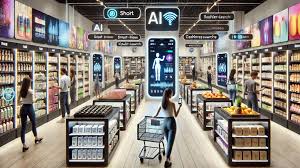
Artificial Intelligence (AI) is transforming the modern business landscape, enabling organizations to operate smarter, faster, and more efficiently. AI refers to the simulation of human intelligence in machines, allowing them to analyze data, learn from patterns, and make decisions autonomously. From customer service and marketing to supply chain management and finance, AI is revolutionizing every aspect of business operations.
Businesses adopting AI gain a competitive advantage by enhancing productivity, reducing costs, and improving decision-making. However, implementing AI comes with challenges such as data privacy, ethical considerations, and workforce adaptation. Understanding the potential and limitations of AI is essential for successful integration.
Understanding Artificial Intelligence
AI encompasses a range of technologies and approaches that enable machines to perform tasks traditionally requiring human intelligence. Key categories include:
Machine Learning (ML): Algorithms that learn from data and improve performance over time without explicit programming.
Natural Language Processing (NLP): Enables machines to understand, interpret, and respond to human language.
Computer Vision: Allows machines to analyze and interpret visual information from images or videos.
Robotic Process Automation (RPA): Automates repetitive business processes for efficiency and accuracy.
Expert Systems: AI systems designed to replicate decision-making capabilities of human experts.
AI integrates these technologies to provide actionable insights, automation, and predictive capabilities.
Applications of AI in Business
AI is reshaping industries by streamlining operations, improving customer experiences, and enabling data-driven decision-making:
- Customer Service
AI enhances customer interactions through automation and personalization:
Chatbots: Provide 24/7 customer support, answer queries, and resolve common issues efficiently.
Virtual Assistants: Assist customers with product recommendations, bookings, and troubleshooting.
Sentiment Analysis: Analyzes customer feedback to identify satisfaction levels and potential issues.
Personalization: AI tailors offers and communications based on customer behavior and preferences.
AI-driven customer service improves satisfaction, reduces response time, and optimizes operational costs.
- Marketing and Sales
AI transforms marketing strategies by enabling data-driven insights and automation:
Predictive Analytics: Forecasts consumer behavior, market trends, and product demand.
Targeted Advertising: AI identifies the right audience and optimizes ad placements.
Lead Scoring: AI evaluates leads based on conversion likelihood, improving sales efficiency.
Content Generation: AI tools create personalized marketing content and social media posts.
Businesses achieve higher engagement, improved conversion rates, and optimized campaigns using AI.
- Supply Chain and Logistics
AI enhances supply chain efficiency, accuracy, and resilience:
Demand Forecasting: AI predicts product demand, reducing overstock and shortages.
Inventory Management: Automates stock tracking and replenishment decisions.
Route Optimization: AI analyzes traffic, weather, and other variables for efficient delivery routes.
Predictive Maintenance: Identifies potential equipment failures before they occur, reducing downtime.
AI-driven supply chains improve operational efficiency, reduce costs, and enhance customer satisfaction.
- Finance and Risk Management
Financial institutions leverage AI for smarter operations and risk mitigation:
Fraud Detection: AI identifies unusual transactions and potential fraudulent activities in real-time.
Credit Scoring: Uses data-driven models to assess creditworthiness more accurately.
Algorithmic Trading: AI executes trades at high speed based on market trends and patterns.
Financial Forecasting: AI predicts revenue, cash flow, and investment performance.
AI improves accuracy, efficiency, and decision-making in financial operations.
- Human Resources and Workforce Management
AI transforms recruitment, training, and workforce productivity:
Talent Acquisition: AI screens resumes, identifies suitable candidates, and reduces hiring bias.
Employee Engagement: Analyzes employee feedback and identifies areas for improvement.
Performance Management: AI tracks productivity metrics and recommends development plans.
Training and Upskilling: Personalized learning paths powered by AI enhance workforce capabilities.
AI enhances efficiency, fairness, and employee satisfaction in HR processes.
Benefits of AI in Business
Adopting AI provides significant advantages for organizations:
Efficiency and Automation: Automates repetitive tasks, freeing employees for strategic work.
Data-Driven Decisions: Provides insights and predictive analytics for informed decision-making.
Cost Reduction: Reduces operational costs through process optimization and error minimization.
Enhanced Customer Experience: Personalized interactions and faster service improve satisfaction.
Competitive Advantage: AI enables innovation, faster market response, and business agility.
Scalability: AI solutions can handle large volumes of data and operations efficiently.
These benefits demonstrate why AI is a cornerstone of digital transformation.
Challenges of AI in Business
Despite its advantages, AI implementation comes with challenges:
Data Privacy: Handling large volumes of sensitive data raises ethical and regulatory concerns.
High Implementation Costs: Developing and maintaining AI systems can be expensive.
Skill Gap: Organizations need skilled AI professionals for development and management.
Algorithmic Bias: AI systems can inherit biases from data or programming, affecting fairness.
Change Management: Employees and management must adapt to AI-driven workflows and decision-making.
Addressing these challenges is crucial to maximize AI benefits while minimizing risks.
Emerging Trends in AI for Business
AI is evolving rapidly, introducing new trends that shape business strategies:
AI-Driven Analytics: Advanced predictive models and insights drive strategic decisions.
Conversational AI: Voice assistants and chatbots become more human-like in interactions.
AI in Cybersecurity: AI identifies threats and automates defense mechanisms.
Edge AI: AI processing occurs locally on devices, reducing latency and improving efficiency.
Explainable AI: Enhances transparency by explaining AI-driven decisions to users.
These trends make AI more reliable, actionable, and integral to business success.
The Future of AI in Business
The future of AI promises increased intelligence, automation, and innovation:
Autonomous Operations: Businesses will rely on AI for end-to-end automation of processes.
Hyper-Personalization: AI will deliver highly customized products, services, and experiences.
Collaborative AI: Human-AI collaboration will enhance productivity and creativity.
AI Ethics and Governance: Organizations will implement frameworks to ensure responsible AI usage.
Global Business Transformation: AI will enable new business models, global efficiency, and innovation.
AI will continue to redefine business strategies, competitiveness, and operational efficiency worldwide.
Conclusion
Artificial Intelligence is reshaping modern business by providing automation, insights, and efficiency. From customer service and marketing to supply chain, finance, and human resources, AI enhances productivity, reduces costs, and enables data-driven decision-making.
While challenges such as data privacy, bias, and skill gaps exist, emerging technologies, ethical frameworks, and workforce adaptation are overcoming these hurdles. AI is no longer optional for businesses—it is a strategic necessity for innovation, growth, and competitiveness in the digital age.