Air conditioners have become an essential part of modern living, providing comfort and improved indoor air quality in homes, offices, hospitals, shopping malls, and industrial spaces. As global temperatures rise and urban living increases, air conditioning systems play a crucial role in maintaining a healthy and productive indoor environment. This article explores what air conditioners are, how they work, their types, benefits, energy efficiency, maintenance, and future trends.
What Is an Air Conditioner?
An air conditioner (AC) is a mechanical system designed to control indoor temperature, humidity, and air quality. It works by removing heat from the indoor air and transferring it outside, thereby cooling the interior space. Modern air conditioners not only cool but also filter dust, allergens, and pollutants, contributing to a healthier indoor atmosphere.
How Does an Air Conditioner Work?
Air conditioners operate on a basic refrigeration cycle that involves four main components:
- Compressor– Compresses the refrigerant gas and raises its temperature.
- Condenser Coil– Releases the heat outside and converts the refrigerant into a liquid.
- Expansion Valve– Reduces the pressure of the refrigerant, cooling it rapidly.
- Evaporator Coil– Absorbs heat from indoor air, cooling the room.
A fan circulates air over the evaporator coils, and the cooled air is distributed throughout the room while warm air is expelled outside.
Types of Air Conditioners
There are several types of air conditioners available, each designed for specific spaces and needs.
- Window Air Conditioners
Window ACs are compact units installed in windows or wall openings. They are suitable for cooling single rooms and are cost-effective and easy to install.
- Split Air Conditioners
Split ACs consist of an indoor unit and an outdoor compressor. They are quieter, more efficient, and aesthetically pleasing, making them ideal for bedrooms and living rooms.
- Central Air Conditioning Systems
Central AC systems cool entire buildings using ducts to distribute air. They are commonly used in large homes, offices, and commercial buildings.
- Portable Air Conditioners
Portable ACs can be moved from room to room and are suitable for temporary cooling needs. They require minimal installation but may be less powerful.
- Inverter Air Conditioners
Inverter ACs adjust compressor speed based on cooling demand, resulting in better energy efficiency, consistent temperature, and lower electricity bills.
Benefits of Air Conditioners
- Temperature Control and Comfort
Air conditioners provide relief from extreme heat, making indoor environments comfortable and livable.
- Improved Air Quality
Modern ACs are equipped with filters that remove dust, pollen, smoke, and allergens, improving indoor air quality.
- Humidity Control
High humidity can cause discomfort and mold growth. Air conditioners help maintain optimal humidity levels.
- Better Sleep and Productivity
Cool temperatures improve sleep quality and enhance focus and productivity in workplaces.
- Protection of Electronics and Furniture
Air conditioning prevents overheating of electronic devices and reduces damage to furniture caused by excessive humidity.
Energy Efficiency and Environmental Impact
Energy efficiency is a major concern when choosing an air conditioner. High electricity consumption can lead to increased costs and environmental impact.
Energy Efficiency Ratio (EER) and SEER
Higher EER or SEER ratings indicate better energy efficiency. Inverter ACs typically offer higher efficiency compared to conventional models.
Star Ratings
Many countries use star-rating systems to classify energy-efficient appliances. Choosing a higher star-rated AC reduces power consumption and long-term costs.
Eco-Friendly Refrigerants
Newer air conditioners use environmentally friendly refrigerants such as R-32 or R-410A, which have lower global warming potential compared to older refrigerants.
Installation Considerations
Proper installation is critical for optimal performance and efficiency. Key factors to consider include:
- Room size and cooling capacity (measured in BTUs or tons)
- Placement of indoor and outdoor units
- Insulation quality
- Electrical requirements
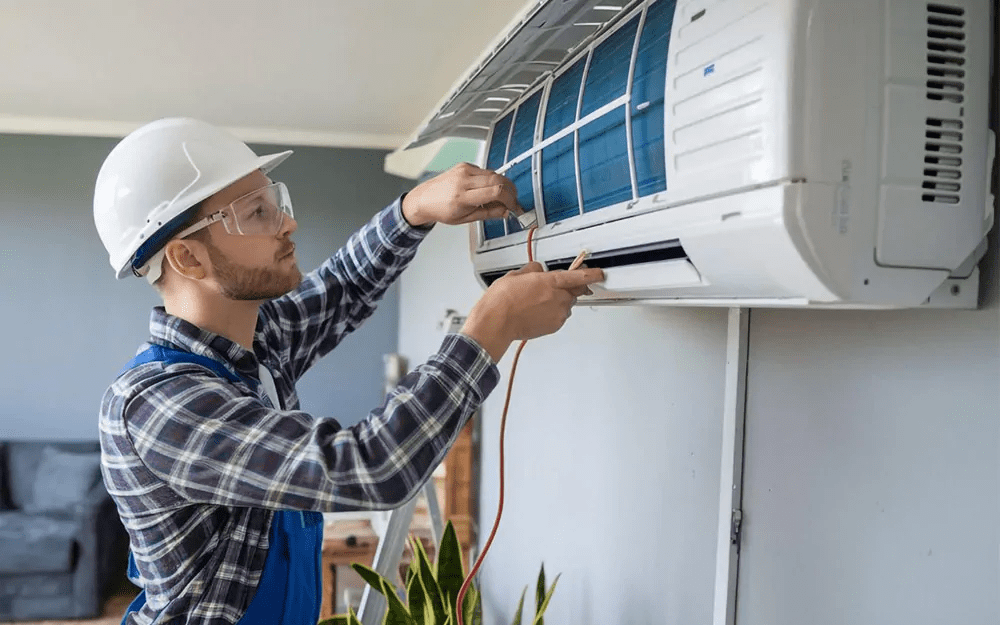
- Professional installation to prevent leaks and inefficiency
An incorrectly sized or poorly installed AC can lead to inadequate cooling and higher energy bills.
Maintenance and Care
Regular maintenance extends the lifespan of an air conditioner and ensures efficient operation.
Basic Maintenance Tips:
- Clean or replace air filters every 1–3 months
- Keep outdoor units free from dust and debris
- Check refrigerant levels periodically
- Schedule professional servicing at least once a year
- Clean evaporator and condenser coils
Neglecting maintenance can result in reduced cooling performance, higher energy consumption, and costly repairs.
Common Air Conditioner Problems
Some common AC issues include:
- Inadequate cooling
- Water leakage
- Strange noises
- Foul odors
- Frequent cycling on and off
Early detection and timely repairs can prevent major breakdowns and improve efficiency.
Smart and Modern Air Conditioning Trends
Technology has transformed air conditioning systems in recent years.
Smart ACs
Smart air conditioners can be controlled via smartphones, voice assistants, or home automation systems, offering convenience and energy savings.
AI and Sensors
Advanced ACs use sensors and artificial intelligence to detect occupancy, adjust cooling automatically, and optimize energy usage.
Solar-Powered ACs
Solar air conditioners reduce dependence on electricity grids and promote sustainable cooling solutions.
Choosing the Right Air Conditioner
When selecting an air conditioner, consider:
- Room size and usage
- Climate conditions
- Energy efficiency ratings
- Budget and long-term operating costs
- Brand reliability and warranty
Consulting a professional can help determine the best AC model for your needs.
Conclusion
Air conditioners have revolutionized indoor comfort by providing effective cooling, humidity control, and improved air quality. With a wide range of options available—from window units to smart inverter systems—choosing the right air conditioner depends on space, efficiency, and budget. Regular maintenance and energy-conscious usage not only enhance performance but also reduce environmental impact. As technology continues to advance, air conditioning systems are becoming smarter, greener, and more efficient, making them an indispensable part of modern life.