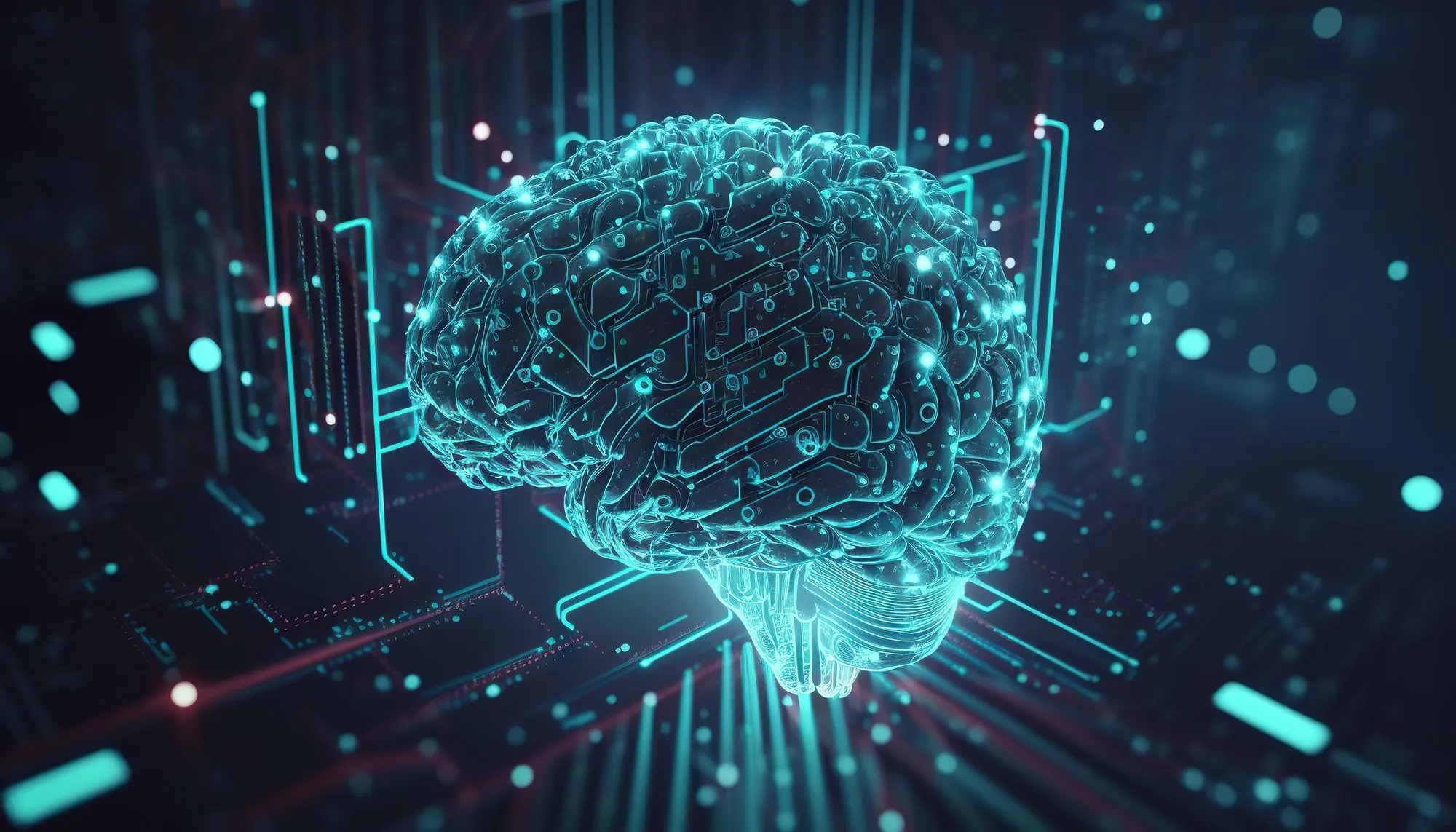
Artificial Intelligence (AI) has rapidly evolved from a futuristic concept into a real-world technology powering industries, applications, and daily life. Whether it’s enhancing user experiences, automating complex tasks, or enabling new business models, AI has become a transformative force. This blog provides a simple and clear overview of what AI is, how it works, and why many businesses now rely on AI development companies and AI development agencies to integrate intelligent solutions.
What Is Artificial Intelligence?
Artificial Intelligence refers to the ability of machines and software systems to perform tasks that typically require human intelligence. These tasks include learning from data, recognizing patterns, making decisions, solving problems, and even understanding language.
AI systems operate through algorithms and models trained on massive datasets. Over time, these systems become smarter, more accurate, and more capable of producing human-like outputs. From recommendation engines on streaming platforms to voice assistants like Alexa and Siri, AI is everywhere.
Key Components of AI
AI is made up of several interrelated fields, each contributing to its overall functionality. Here are the most important components:
1. Machine Learning (ML)
Machine Learning allows computers to learn from data rather than being explicitly programmed. ML models analyze datasets, identify patterns, and use this knowledge to make predictions. For example, email spam filters use ML to understand which messages are unwanted.
2. Deep Learning
A subset of machine learning, deep learning uses neural networks that mimic the human brain. This is the technology behind facial recognition, autonomous driving, and advanced image classification.
3. Natural Language Processing (NLP)
NLP enables machines to understand and interpret human language. Chatbots, sentiment analysis tools, and automated translation systems are common examples.
4. Computer Vision
This field allows computers to analyze and understand visual data such as images or videos. It powers medical imaging tools, security systems, and object detection in self-driving cars.
5. Robotics
Robotics combines AI with physical machines. From manufacturing robots to delivery drones, robotics uses AI to improve precision and autonomy.
How AI Works: A Simple Breakdown
AI may seem complex, but its core workflow is straightforward:
- Data Collection – AI gathers information from sensors, databases, or user interactions.
- Data Processing – The system organizes and cleans data for further analysis.
- Model Training – Algorithms learn from the data and identify patterns.
- Prediction & Decision-Making – Based on its training, the AI produces outputs or recommendations.
- Continuous Learning – The system improves as it receives more data over time.
Businesses often partner with AI development companies to develop custom systems that follow this workflow efficiently.
Real-World Applications of AI
AI is no longer limited to large tech giants. Every industry now benefits from artificial intelligence. Some popular use cases include:
1. Retail
AI tools predict customer behavior, automate inventory management, and personalize product recommendations.
2. Healthcare
AI assists doctors with diagnoses, medical imaging, patient monitoring, and predictive analytics.
3. Finance
Banks use AI to detect fraud, analyze risk, automate customer service, and improve decision-making.
4. Manufacturing
Predictive maintenance, quality inspection, and process automation are all AI-powered innovations.
5. Education
AI-driven platforms adapt lessons to individual student needs, making learning more personalized.
Because of these expanding opportunities, many companies are now collaborating with AI development agencies to build industry-specific AI solutions.
Why AI Matters for Today’s Businesses
AI is not just a technology upgrade—it has become a competitive necessity. Here’s why organizations are implementing AI projects:
1. Improved Efficiency
AI automates repetitive tasks, reduces manual effort, and boosts productivity.
2. Better Decision-Making
By analyzing huge amounts of data, AI provides accurate insights that help businesses make smarter decisions.
3. Enhanced Customer Experience
Chatbots, personalized recommendations, and virtual assistants improve user engagement and satisfaction.
4. Cost Savings
AI minimizes human error, speeds up processes, and optimizes resource usage, helping businesses save money.
5. Future-Ready Innovation
Companies using AI can build new products and services that differentiate them from competitors.
Given these benefits, organizations frequently hire AI development companies to design tailored AI solutions that meet their operational goals.
Why Work With AI Development Companies or AI Development Agencies?
Building AI systems requires deep expertise, powerful infrastructure, and specialized tools. That’s why many businesses turn to professional AI development agencies. They offer:
- Custom AI model development
- End-to-end project planning
- Data engineering and analysis
- Scalable deployment
- Technical support and optimization
These companies help businesses implement AI affordably and efficiently without needing in-house AI experts.
Conclusion
Artificial Intelligence is shaping the future, driving digital transformation across every sector. Understanding the basics of AI helps businesses and individuals make informed decisions about adopting this technology. As demand continues to rise, AI development companies and AI development agencies play a crucial role in creating innovative, intelligent solutions.
If you want more blogs around AI topics, industry-specific AI trends, or keyword optimization, feel free to ask!