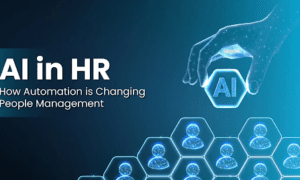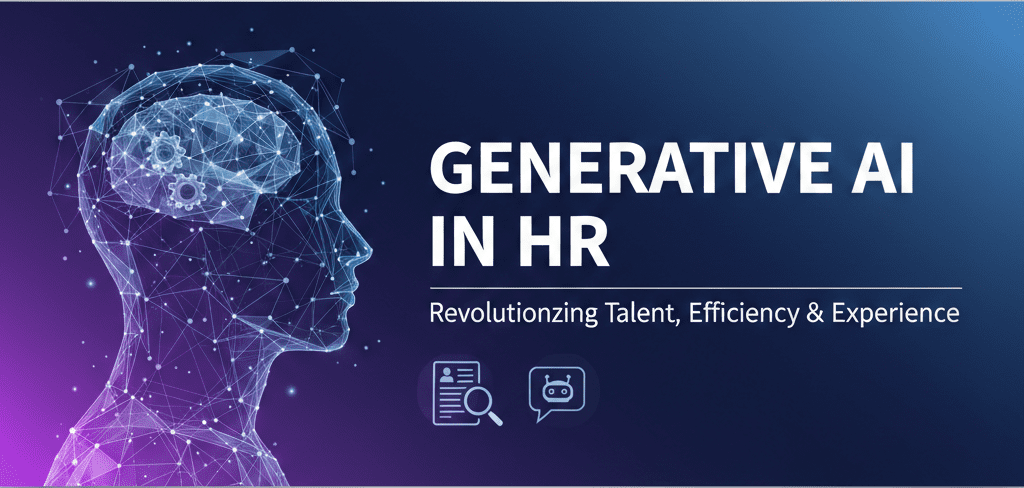
Human resources is undergoing one of the most significant shifts in its history. As organizations navigate evolving workforce expectations, digital transformation, and growing cost pressures, HR leaders are turning to artificial intelligence to modernize processes and elevate strategic impact. AI is no longer confined to experimentation. It is becoming a foundational capability that reshapes how HR delivers value across the enterprise.
From talent acquisition and workforce planning to employee engagement and service delivery, AI enables HR teams to operate with greater speed, precision, and insight. When implemented strategically, AI helps organizations move beyond transactional efficiency and toward a data-driven talent strategy.
However, unlocking measurable outcomes requires a structured approach. Many enterprises are seeking experienced advisory partners with deep functional expertise and research-backed methodologies. Firms offering specialized Gen AI consulting services are helping HR organizations identify high-value use cases, establish governance frameworks, and align AI initiatives with broader business goals.
This article explores the evolving role of AI in HR, outlines its key benefits and use cases, and explains why a research-driven partner such as The Hackett Group® can support successful implementation.
Overview of AI in HR
Artificial intelligence in HR encompasses machine learning, predictive analytics, and generative AI technologies that automate processes, analyze large datasets, and generate actionable insights. AI enhances decision-making by identifying patterns in workforce data that would otherwise be difficult to detect.
Publicly available insights from The Hackett Group® highlight that AI is positioned to significantly increase HR productivity by automating administrative activities and augmenting human expertise. Rather than replacing HR professionals, AI enables them to focus on strategic initiatives such as workforce planning, capability development, and organizational design.
The strategic application of AI in HR extends across the entire employee lifecycle, including recruitment, onboarding, performance management, learning and development, and employee services. When integrated into a structured operating model, AI can enhance both efficiency and effectiveness.
Successful adoption depends on several critical factors:
- Precise alignment with enterprise strategy
- Strong data governance and quality standards
- Ethical use of AI and bias mitigation
- Defined performance metrics to measure impact
- Change management to support adoption
Organizations that approach AI in HR as part of a broader digital transformation effort are more likely to achieve sustainable value and measurable results.
Benefits of AI in HR
Increased operational efficiency
AI automates repetitive administrative tasks such as resume screening, interview scheduling, and policy inquiries. This reduces manual workload and allows HR professionals to concentrate on strategic workforce initiatives.
Automation also improves consistency and reduces errors in high-volume processes.
Data-driven workforce decisions
AI analyzes large volumes of employee data to generate insights into attrition risk, performance trends, and skills gaps. These insights support proactive decision-making and more accurate workforce planning.
By leveraging predictive analytics, HR leaders can anticipate talent needs and align resources with business objectives.
Improved talent acquisition outcomes
AI-driven recruitment tools can match candidates to job requirements more effectively, reducing time to hire and improving the quality of hire. Intelligent screening tools help identify relevant skills and experience while reducing administrative effort.
When appropriately governed, AI can also support more structured and consistent hiring practices.
Enhanced employee experience
AI-powered chatbots and virtual assistants provide employees with immediate responses to common HR inquiries. This improves accessibility and reduces response times.
Personalized learning recommendations and career path insights can also enhance engagement and development opportunities.
Stronger compliance and risk management
AI supports compliance by analyzing documentation, tracking regulatory requirements and monitoring workforce data for anomalies. This strengthens oversight and reduces the likelihood of compliance gaps.
By augmenting HR governance processes, AI enhances transparency and accountability.
Use cases of AI in HR
Talent acquisition and recruitment
Intelligent resume screening
AI tools can evaluate large volumes of resumes against defined criteria, helping recruiters prioritize candidates who best match role requirements. This accelerates the selection process and improves efficiency.
Candidate engagement automation
Chatbots and automated communication tools can keep candidates informed throughout the hiring process. This enhances the candidate experience and strengthens employer branding.
Workforce planning and analytics
Predictive attrition analysis
AI models can identify patterns that signal potential employee turnover. HR leaders can then take proactive measures to improve retention and engagement.
Skills gap identification
By analyzing workforce data and business needs, AI can highlight emerging skills gaps and inform targeted learning and development initiatives.
Learning and development
Personalized learning pathways
AI can recommend customized training programs based on employee roles, career goals and performance data. This supports continuous development and improves workforce capability.
Content generation and summarization
Generative AI tools can create training materials, summarize learning content and draft communication updates, reducing the administrative burden on HR teams.
HR service delivery
Virtual HR assistants
AI-powered assistants can handle common employee inquiries related to benefits, policies and payroll. This enhances service consistency and frees HR staff for higher-value activities.
Case management support
AI can categorize and prioritize HR cases, suggest relevant policies and draft responses. This improves response times and service quality.
Performance management and engagement
Sentiment analysis
AI tools can analyze employee feedback surveys and engagement data to identify trends and areas of concern. This enables leaders to respond proactively to workforce challenges.
Performance insights
AI can synthesize performance data to support fair and structured evaluations, while still maintaining human oversight and judgment.
Why choose The Hackett Group® for implementing AI in HR
Implementing AI in HR requires more than deploying technology. It demands a benchmark-driven strategy, disciplined governance and measurable performance outcomes. The Hackett Group® brings a research-based approach grounded in its extensive benchmarking database and Digital World Class® framework.
Benchmark-informed transformation
The Hackett Group® leverages empirical data to help HR leaders understand performance gaps and identify high-impact AI opportunities. This ensures AI initiatives are aligned with measurable business value rather than isolated experimentation.
Structured governance and risk oversight
AI introduces considerations related to data privacy, bias mitigation and regulatory compliance. A structured governance model helps organizations deploy AI responsibly while maintaining trust and transparency.
Alignment with operating models
Rather than treating AI as a standalone initiative, The Hackett Group® integrates AI into broader HR transformation programs. This ensures alignment with service delivery models, workforce strategy and enterprise objectives.
Scalable implementation support
From opportunity assessment to pilot design and enterprise scaling, organizations receive practical guidance rooted in research and proven methodologies. This includes change management, capability development and performance tracking.
The Hackett AI XPLR™ platform further supports organizations by enabling leaders to explore, evaluate and prioritize AI use cases across HR and other enterprise functions. It provides structured insights that help translate innovation into measurable outcomes.
By combining benchmark data, functional expertise and structured implementation frameworks, The Hackett Group® helps HR organizations move from experimentation to sustained performance improvement.
Conclusion
AI is transforming HR from a transactional function into a strategic driver of enterprise value. By automating administrative processes, enhancing data-driven decision-making and improving employee experience, AI enables HR leaders to deliver greater impact with fewer resources.
However, achieving these benefits requires disciplined execution. Organizations must align AI initiatives with business strategy, establish strong governance frameworks and measure outcomes against defined performance metrics.
When approached strategically, AI in HR strengthens workforce agility, improves talent outcomes and enhances organizational resilience. With research-based guidance and structured implementation, HR can harness AI to build a more intelligent, responsive and future-ready workforce.