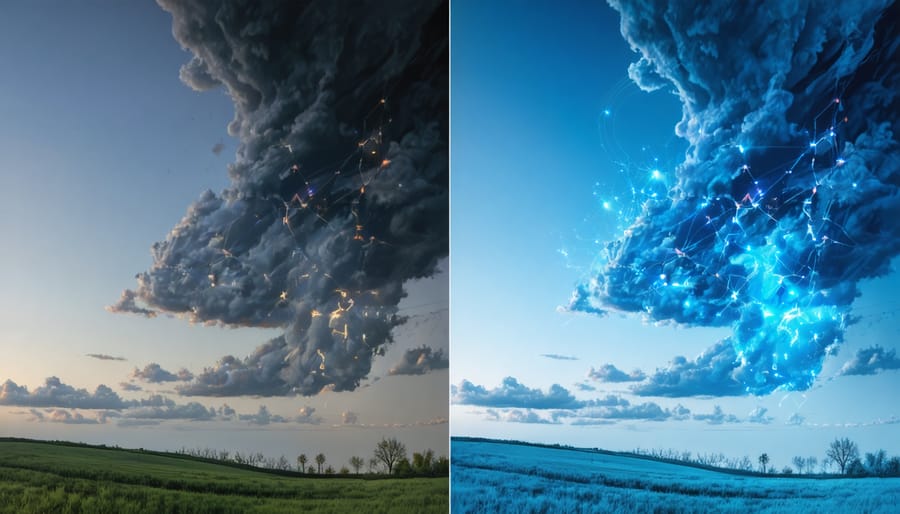
Image editing has traditionally required time, technical skills, and a deep understanding of complex software tools. From adjusting exposure and color balance to removing unwanted elements, achieving professional results often demanded patience and expertise. Today, the emergence of the AI Image Editor is transforming this process by enabling users to enhance and refine images through intelligent automation and natural language guidance.
Instead of manually manipulating every detail, creators can now rely on AI to interpret visual content and apply meaningful improvements.
What Makes an AI Image Editor Different
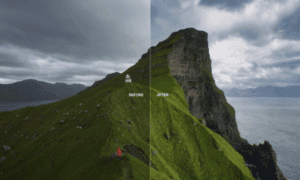
An AI Image Editor uses machine learning to analyze an image’s composition, lighting, textures, and subject relationships. Based on this understanding, the system can suggest or automatically apply enhancements that improve visual clarity and aesthetic balance.
Typical capabilities include:
- automatic lighting and color correction
- background cleanup and replacement
- object removal and scene refinement
- sharpening and detail restoration
Unlike traditional editing workflows, AI-driven tools focus on outcomes rather than technical steps. This makes professional-quality editing accessible to users with little or no design experience.
Restoring the Past: Preparing Images to Animate Old Photos
One of the most meaningful uses of AI Image Editors is restoring historical and aging photographs. Before users can Animate Old Photos, images often need clarity improvements, damage repair, and tonal correction.
AI-powered restoration can:
- repair scratches and faded areas
- enhance facial clarity
- balance exposure and contrast
- restore natural texture and detail
By improving image quality first, the animation process produces more realistic and emotionally resonant results. When old photos are restored and then animated, they can evoke a powerful sense of presence while preserving historical authenticity.
Editing Through Language: A More Intuitive Workflow
Modern AI Image Editors increasingly support prompt-based editing, allowing users to describe desired adjustments using everyday language. Instead of navigating complex tools, creators can simply describe the visual outcome they want.
This approach removes technical barriers and encourages experimentation. Users can refine mood, atmosphere, or clarity quickly and iterate without needing professional editing knowledge.
Prompt-based editing shifts the creative process from technical manipulation to expressive intent.
Supporting Video Creation with Script to Video AI
AI Image Editors are becoming essential components of content workflows that include script to video AI. Script to video AI systems transform written scripts into visual narratives, assembling scenes that align with the storyline.
Clean, consistent, and visually refined images are critical for these workflows. AI Image Editors allow creators to prepare visuals that match tone, lighting, and branding before integrating them into video sequences.
Instead of relying on mismatched stock visuals, creators can refine their own images and use them as cohesive elements in scripted video production. This results in stronger storytelling and improved visual consistency.
Efficiency and Scalability in Modern Content Production
As content demands increase, efficiency has become a priority. AI Image Editors allow creators to process large volumes of images quickly while maintaining consistent quality.
For businesses, this means:
- faster turnaround times
- reduced reliance on manual editing
- consistent visual branding
- easier adaptation for multiple platforms
For individuals and small teams, AI editing tools make professional-quality results achievable without specialized training.
Applications Across Different Fields
AI Image Editors support a wide range of creative and professional uses.
In marketing, they ensure brand visuals remain polished and consistent.
In e-commerce, product photos can be refined for clarity and appeal.
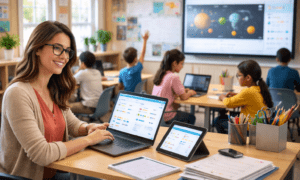
In education, enhanced images improve visual comprehension.
In personal archiving, restored images can later be used to Animate Old Photos for meaningful storytelling.
Their versatility makes them valuable across both commercial and personal contexts.
Limitations and Responsible Use
While AI Image Editors offer powerful automation, human judgment remains important. Over-editing can reduce authenticity, and sensitive historical or personal images should be handled with respect and care.
Transparency and ethical use are essential, especially when restoring or modifying images of real people.
The Future of AI Image Editing
AI Image Editors will continue to evolve toward deeper contextual understanding and seamless integration with other creative tools. Restoration capabilities will improve, enabling more realistic Animate Old Photos experiences, while integration with script to video AI workflows will streamline transitions from still images to narrative video content.
As these tools mature, the distinction between editing, restoration, and content creation will continue to blur.
Conclusion
The AI Image Editor represents a shift from manual correction to intelligent visual transformation. By automating enhancements, preparing images for Animate Old Photos workflows, and supporting script to video AI storytelling systems, it enables creators to produce polished visuals with greater efficiency and creative flexibility.
In a digital landscape where visual quality and adaptability matter more than ever, AI Image Editors are becoming indispensable tools for modern content creation.