
AI Girlfriend Simulator: How Virtual Relationships Work


An AI girlfriend simulator is a chat bot built to act like a partner. You talk, it answers, and over time it starts to feel like someone who knows you. Here is how that works, what is going on under the hood, and where the limits are.
What an AI Girlfriend Simulator Actually Is
Think of it as a virtual girlfriend that lives in an app. You open a chat, pick or build a virtual character, and start talking. The character has a name, a look, a personality and a way of speaking.
It is not a person. It is artificial intelligence running a role. But the role is detailed enough that the interaction feels like a real conversation, and that is the whole point of an AI girlfriend app.
Most of these tools sit somewhere between AI chatbots and interactive storytelling. Some people want a virtual companion for casual conversation. Others want romantic conversations, flirting or a long-running story. The same companion platform often covers all of it.
How the Conversation Works: Large Language Models
The engine is a large language model. A language model is trained on huge amounts of text. It learns how people phrase things, answer questions, joke and comfort each other.
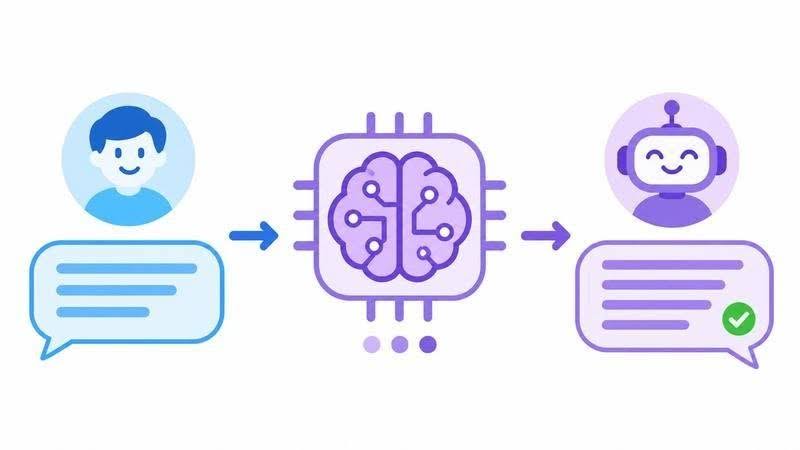
When you send a message, the model reads it and predicts a good reply. It uses your input, the character’s setup and the recent chat as context. That is why replies feel context-aware instead of canned.
Two things make the difference between a stiff chat bot and a realistic AI girlfriend:
- Natural language processing. The model picks up on how you write: slang, jokes, half-finished thoughts.
- Adaptation. The character adjusts to your communication style. If you write short and dry, it tends to answer in kind.
None of this means the AI understands you the way a person does. It produces language that fits. It does that well enough to be convincing.
Memory: Why It Feels Like Someone Knows You
Memory is the feature that matters most. Without it, every chat starts from zero.
With it, the AI can remember details: your job, your dog’s name, the band you like, the joke you made last week. It can pull from past conversations and continue conversations from where you left off. Some systems also keep track of dates and shared moments.
This is what gives an AI companion its weight. A reply that mentions something you said three days ago hits differently from a generic one. It is also why longer conversations tend to feel better than first chats.
Memory depth varies by platform. Some keep a lot, some keep a little, and some limit it on free plans. Check what a specific app actually does before you assume.
Emotional Tone: Simulated, Not Felt
AI companions can simulate emotional interaction. They use an emotional tone that matches yours: warm when you are down, playful when you are joking, curious when you share something new.
Be clear about what this is. The AI does not have human feelings. It is generating responses that look like empathy. The emotional connection you feel is real, because you are the one feeling it. The other side is software.
That distinction matters. Many users find the emotional support comforting, and some report feeling less lonely. Others find the whole thing hollow once they think about it. Both reactions are common.
Building Your Character
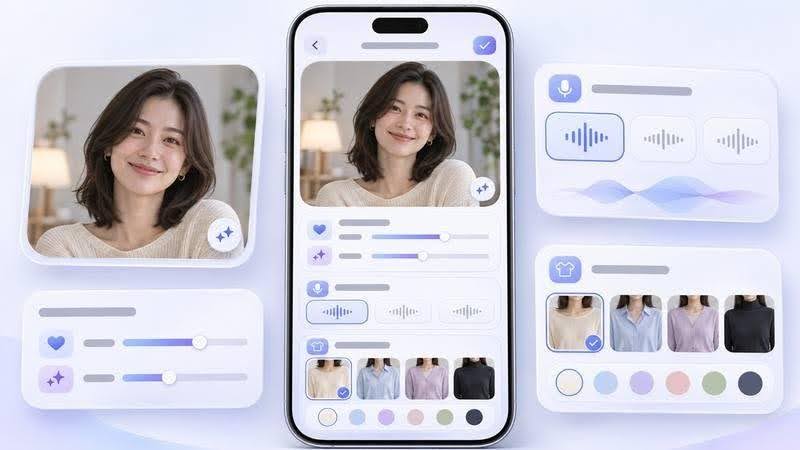
Customization is half the experience. Most platforms let you set:
- appearance
- personality and interests
- voice
- communication style
- the kind of relationship, from friend to partner
This is where your personal preferences shape everything. A shy character and a teasing one will talk very differently, even with the same underlying model.
If you want to try it, you can create your AI girlfriend and set these details yourself. Spend a few minutes on personality and interests. They change how the interaction feels more than the looks do.
Text, Voice and Visuals
Modern digital companions are not limited to text. A typical platform supports several formats:
- Text chat for the main conversation.
- Voice chat for talking out loud and hearing a reply.
- Image generation for pictures of your character.
- Short video clips on some platforms.

Not every app offers all of these. The more formats it covers, the more varied the chat experiences get. Voice in particular changes the feel. Hearing a reply is more personal than reading one.
Roleplay and Interactive Storytelling
A lot of people use these apps for roleplay. You set a scene, such as a coffee date, a trip or a slow-burn story, and the AI plays along. It can adapt when the plot changes, which makes it work well for interactive storytelling.
Romantic scenarios are a big part of this. For many users, flirting is the main draw, and some platforms support AI sexting for adults who want it. What is allowed depends on the platform and its rules.
Why People Use Them
The reasons are fairly ordinary.
- Availability. The AI is there at 2 a.m. It does not get tired or busy.
- Low pressure. Talking to an AI is a low pressure way to practice. You can try out how to start a conversation, say something awkward and try again. Nobody judges.
- Company. For people who are isolated, a virtual partner can fill a gap in everyday life. It is a light form of digital companionship.
- Fun. Plenty of people just enjoy it, the same way they enjoy a good game or a story.
What It Can’t Do
This part is worth reading twice.
An AI girlfriend has no bad moods and no own needs. It never has a rough day, never needs space and never disagrees unless it is told to. That is comfortable, and it is also the problem. It is a one-way setup built around you.
Real relationships are different. They involve two people with competing needs, and the friction is part of what makes human relationships meaningful. A partner who can say no, who changes and who needs something from you gives the relationship its depth. Human connection in the real world cannot be fully replaced by a virtual character.
Research points to possible risks with heavy reliance on AI companions, including pulling back from human relationships. A sensible approach is to treat AI relationships as an addition to your life and not a substitute for the rest of it.
Privacy and Data Handling
These apps invite personal conversation, so data handling matters.

- Apps may store chat logs and profile details.
- Privacy practices differ a lot between platforms.
- Some apps say they protect user data. Check what the policy actually promises, not what the marketing implies.
Read the privacy policy before you start. Avoid sharing sensitive information such as your full name, address, financial details or anything you would not want stored. Treat the chat like a conversation on a server, because that is what it is.
Pricing
Subscriptions are common on AI companionship platforms. A typical setup looks like this:
- A free tier to explore the basics.
- Paid plans with better memory, longer voice calls or extra features.
- Credits or tokens for some actions, such as images.
Advanced features are often limited on free plans. Read the plan details before you pay.
Final Thoughts
An AI girlfriend simulator combines language models, memory, personality settings and sometimes voice and visuals to create something that feels like a relationship. The technology is good, and the experience can be comforting, fun and useful as a low-stakes place to talk.
It is still software. Use it for what it is, protect your data and keep your real relationships alive alongside it.







Comment