When your windshield is damaged, choosing the right replacement glass is more than a cosmetic decision. It directly affects vehicle safety, advanced driver assistance systems, insurance costs, and even resale value. Many drivers face the same question during an auto glass replacement in Frisco, TX: should you choose aftermarket Safelite windshield glass or original equipment manufacturer OEM glass? Understanding the differences can help you make a confident and informed choice that fits your priorities and your budget.
Understanding OEM Windshield Glass
OEM windshield glass is produced by the same manufacturer that supplied the glass when your vehicle was originally built. It matches the original windshield in thickness, shape, tint, durability, and compatibility with factory-installed features. Automakers design OEM glass to meet precise specifications so it integrates seamlessly with the vehicle’s structure and safety systems.
For drivers who want their vehicle restored as close as possible to factory condition, OEM glass often feels like the safest option. It carries the automaker’s branding and is engineered to perform exactly like the original windshield. However, that precision often comes with a higher price tag and sometimes longer wait times for availability.
What Is Aftermarket Safelite Windshield Glass?
Aftermarket windshield glass is manufactured by third-party companies that meet federal safety standards but are not the original supplier for the vehicle brand. Safelite is one of the most well-known names in aftermarket auto glass, offering windshields designed to fit a wide range of vehicles with reliable quality control.
Safelite glass is made to match the size and shape of the original windshield and comply with Department of Transportation requirements. While it may not carry the automaker’s logo, it is designed to provide safe, functional performance for everyday driving. For many drivers, aftermarket Safelite glass represents a balance between affordability and reliability.
Safety Standards and Structural Integrity
A common concern among vehicle owners is whether aftermarket glass is as safe as OEM glass. Both OEM and aftermarket windshields sold in the United States must meet federal motor vehicle safety standards. These standards ensure the glass can withstand impacts, support airbag deployment, and contribute to the structural integrity of the vehicle.
OEM glass is engineered specifically for the vehicle model, which can provide peace of mind for drivers who prioritize exact factory specifications. Aftermarket Safelite glass is also rigorously tested and designed to perform safely, though minor differences in thickness or curvature may exist depending on the manufacturer. In most real-world driving conditions, both options provide reliable safety when properly installed.
Impact on Advanced Driver Assistance Systems
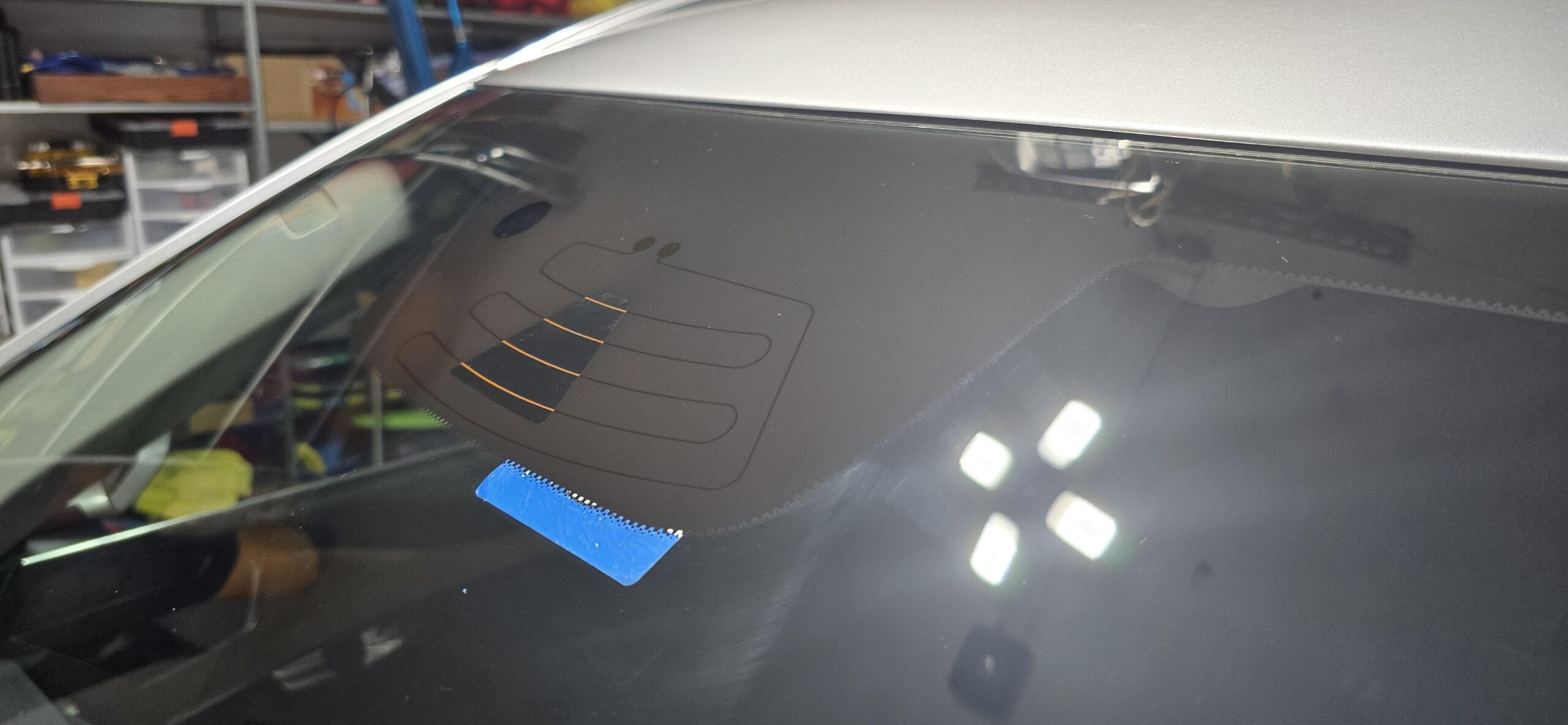
Modern vehicles often rely on advanced driver assistance systems such as lane departure warnings, automatic emergency braking, adaptive cruise control, and rain-sensing wipers. Many of these systems use cameras and sensors mounted to or calibrated through the windshield.
OEM glass is designed to work perfectly with these systems without additional adjustments. Aftermarket Safelite glass can also be compatible, but proper calibration after installation is critical. A professional auto glass replacement in Frisco, TX, that includes recalibration services ensures that cameras and sensors function correctly regardless of whether you choose OEM or aftermarket glass.
The key factor here is not just the glass itself but the expertise of the installer. A properly installed and calibrated aftermarket windshield can perform just as well as OEM glass for sensor accuracy and system reliability.
Optical Clarity and Driving Comfort
Windshield clarity affects driver comfort and visibility, especially in challenging conditions such as night driving or heavy rain. OEM glass is manufactured to meet strict optical clarity standards set by the automaker, reducing distortion and glare.
Aftermarket Safelite glass generally offers excellent clarity, though some drivers report very slight differences in tint or reflection compared to OEM glass. These differences are usually minimal and often unnoticeable in everyday driving. For most people, both options provide clear visibility and a comfortable driving experience.
Cost Differences and Insurance Considerations
One of the biggest reasons drivers consider aftermarket glass is cost. OEM windshields are typically more expensive due to brand premiums and limited supply chains. Aftermarket Safelite glass is usually more affordable, making it an attractive option for budget-conscious drivers.
Insurance policies often play a role in the decision. Many insurers prefer aftermarket glass because it reduces claim costs. Some policies will only cover OEM glass under specific conditions, such as newer vehicles or lease agreements. Before deciding, it is wise to review your insurance coverage and ask your auto glass provider about pricing differences and policy requirements.
Availability and Convenience
Availability can influence your choice, especially if you need a quick replacement. Aftermarket Safelite glass is widely available for most vehicle makes and models, allowing for faster scheduling and installation. OEM glass may require ordering from the manufacturer, which can lead to longer wait times.
For drivers with busy schedules, the convenience of readily available aftermarket glass can be a significant advantage. Many professional auto glass services can complete the replacement quickly and efficiently without compromising quality.
Effects on Vehicle Resale Value
Resale value is another important consideration, particularly for newer or high-end vehicles. Some buyers prefer OEM parts because they believe it maintains the vehicle’s originality and value. In certain cases, especially with luxury or performance vehicles, OEM glass may be viewed as a selling point.
However, for most everyday vehicles, a professionally installed aftermarket windshield does not significantly impact resale value. Documentation showing proper installation and calibration can reassure buyers that the vehicle has been well-maintained. Ultimately, overall vehicle condition, maintenance history, and mileage tend to matter more than whether the windshield is OEM or aftermarket.
Environmental and Sustainability Factors
Some drivers also consider environmental impact when choosing replacement parts. Aftermarket glass manufacturers like Safelite often emphasize recycling programs and sustainable practices, including reusing glass materials and reducing waste.
OEM glass production may vary by manufacturer in terms of environmental initiatives. If sustainability is a priority, asking your auto glass provider about recycling and eco-friendly practices can help guide your decision.
Choosing the Right Option for Your Needs
There is no one-size-fits-all answer to the OEM versus aftermarket debate. OEM glass is ideal for drivers who want factory exactness, have advanced vehicle systems that require precise calibration, or are concerned about maintaining originality for resale. Aftermarket Safelite glass is a strong option for those seeking reliable safety, quicker availability, and lower costs without sacrificing performance.
The most important factor is choosing a reputable professional for installation. Proper installation and calibration matter more than the brand of glass when it comes to safety and functionality.
Final Thoughts on Auto Glass Replacement Decisions
When facing windshield damage, understanding your options empowers you to make the best choice for your vehicle and lifestyle. Both OEM and aftermarket Safelite windshields can provide safe, dependable performance when installed by experienced technicians. By weighing factors like safety standards, sensor compatibility, cost, and resale considerations, you can confidently select the right solution.
If you are planning an auto glass replacement in Frisco, TX, consult with a trusted local provider who can explain your options clearly and ensure your windshield is installed and calibrated to the highest standards. A well-informed decision today helps keep you safe on the road and protects the long-term value of your vehicle.
Read More From Techbullion