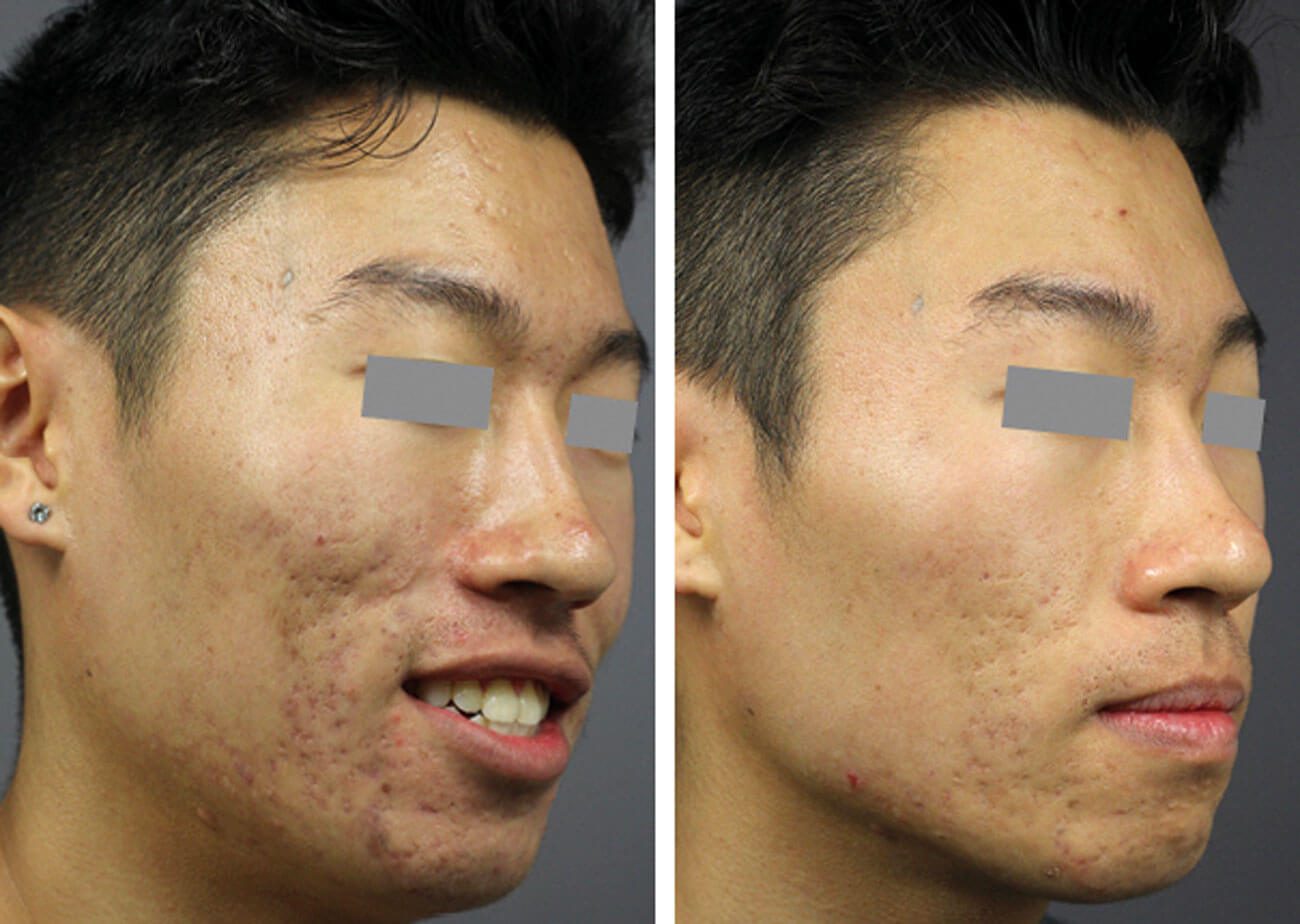
Acne is often perceived as a “teenage thing,” but for many men, it persists well into adulthood — and unfortunately, so do the scars. From subtle discoloration to deep indentations, acne scars can carry both a visual reminder and a hit to self-confidence. Repairing those scars isn’t just about aesthetics; it’s about restoring skin integrity and helping men feel comfortable in their own skin. As a dermatologist with extensive experience treating male patients, I’ve guided many through the realistic journey of acne scar repair — and I know what works, what to expect, and how long it takes.
If you’re looking for acne scar treatment SG, you’ll find that options today are far more sophisticated than the over-the-counter creams of the past. But before you expect overnight transformation, it’s important to understand what’s realistic: improvement, not total erasure; gradual progress, not instant perfection.
Why Men Often Need Different Scar-Repair Strategies
Men’s skin differs in important ways from women’s — especially when it comes to acne and scarring.
- Thicker dermis and higher collagen density — men typically have thicker skin, which changes how scars heal and how responsive scars are to treatments.
- Greater sebaceous activity and oil production — hormonal and physiological differences often lead to more persistent or severe acne, which in turn can lead to deeper scars.
- Delayed treatment and lifestyle factors — adult men may delay seeking help, using harsh grooming products, shaving, or neglecting sun protection — all of which can worsen scarring.
- Different aesthetic expectations — men often prefer a natural, low-maintenance result rather than polished, “glowy” skin, which influences treatment selection and maintenance plans.
Because of these factors, scar repair for men isn’t about copying a “female skincare regimen.” It’s about tailoring therapy to male skin physiology and lifestyle — a balanced, realistic approach that fits how men live, work, and care for their skin.
What Makes “Realistic Results” Realistic — and What You Should Expect
Before starting treatment, it’s crucial to set correct expectations. Here’s what “realistic results” means in the context of male acne-scar repair:
- Improvement, not total elimination. Most scars — especially deep, “ice-pick,” “boxcar,” or “rolling” scars — won’t disappear completely. The goal is to soften depth, smooth texture, and reduce visibility.
- Gradual change over weeks to months. Expect incremental improvement over time, not a sudden “before-after” result.
- Maintenance needed. Even after successful treatment, skin care and periodic upkeep are necessary to sustain results, especially in climates with heat, humidity, or UV exposure.
- Individual variation. Results depend on scar type, skin type, age, healing capacity, and after-care discipline. Two men with similar scars might respond quite differently.
With that in mind, a clear, honest plan — combining treatments, realistic scheduling, and proper after-care — can deliver significant, long-term improvement.
Overview of Effective Treatments for Men’s Acne Scars
Modern dermatology offers several effective modalities — often used in combination — to repair acne scars in men. Below is a breakdown of the most reliable approaches:
1. Microneedling (Collagen Induction Therapy)
Microneedling uses a device with fine needles to create controlled micro-injuries in the skin. For men, this approach is often ideal because:
- It leverages thicker skin and good healing potential to stimulate new collagen and elastin.
- Downtime is minimal — ideal for working men who can’t afford long recovery periods.
- It improves overall skin texture and reduces the appearance of shallow to moderately deep scars.
What to expect: light redness for 24–48 hours, gradual smoothness and texture improvement over 2–4 months. Typically requires 3–6 sessions spaced 4–8 weeks apart.
2. Fractional Non-Ablative Laser Treatment
Non-ablative fractional lasers deliver energy to deeper layers of skin, stimulating collagen remodeling without removing the surface layer. For men’s thicker skin, this often means:
- Safer resurfacing with lower risk of pigmentation issues.
- Noticeable smoothing of scars and gradual evening out of skin tone.
- Less downtime than traditional ablative lasers — often just mild redness or swelling.
What to expect: mild pinkness for a day or two, subtle improvements starting around 4–6 weeks post-treatment, more visible changes after 2–3 sessions.
3. Subcision (For Depressed / Rolling Scars)
Subcision is a minor surgical procedure where a small needle is used to break fibrous bands tethering the scar. This is especially useful for depressed or “rolling” scars, which are common after severe acne in adult men.
- Once the tethering is released, the skin can gradually rise, lessening the depth of the scar.
- Often combined with fillers, microneedling, or laser for best results.
What to expect: some bruising/swelling for 3–7 days, gradual elevation of scar over 2–3 months, possible need for repeated sessions depending on scar severity.
4. Dermal Fillers or Fat Transfer
For deep, wide scars where skin volume loss has occurred, dermal fillers (or autologous fat transfer) can provide immediate volume restoration. For men, this can be a discreet way to smooth depressions without altering masculine facial structure.
What to expect: instant smoothing, minor swelling/bruising for a few days; filler duration varies (6–12 months or longer depending on material). Often paired with surface treatments for optimal texture and tone.
5. Platelet-Rich Plasma (PRP) or Growth-Factor Therapy
PRP uses your own blood’s growth factors to stimulate healing and collagen production. When combined with microneedling or laser, PRP can enhance results while promoting a more natural skin texture.
- Good option for men who prefer natural, subtle improvement rather than dramatic, “polished” outcomes.
- Minimal risk, almost no downtime.
What to expect: mild redness or swelling for a day, gradual improvement over 6–12 weeks.
6. Maintenance Skincare, Sun Protection & Lifestyle Adjustments
Treatment doesn’t end in the clinic. For lasting results — especially for men exposed to Singapore’s heat, humidity, or frequent shaving — strong after-care is essential:
- Gentle, non-comedogenic cleansers + lightweight moisturizers.
- Broad-spectrum sunscreen daily (SPF 30+), even when indoors — to prevent pigmentation and maintain results.
- Avoiding aggressive scrubs or harsh grooming products that irritate skin.
- Healthy diet, hydration, good sleep — to support collagen production and skin regeneration.
Typical Timeline: What Happens When
Here’s a realistic timeline you can expect from starting acne-scar repair treatments as a male patient, assuming most common scar types (moderate scarring, mixed surface + depressed scars):
| Phase | Weeks 0–4 | Weeks 4–12 | Months 3–6 | Months 6–12 and beyond |
| Initial treatment(s) | Consultation, skin assessment, starting first modalities (e.g., microneedling, laser) + basic skincare routine | 2nd to 4th sessions (as needed) + maintenance skincare | Most visible scar softening and texture smoothing; possible filler/top-up for volume | Maintenance sessions (microneedling/laser), continued skincare, sun protection |
| Visible changes | Slight redness, minimal surface changes | Skin feels smoother, scars appear less pronounced; slight texture improvement | Noticeable smoothing, many scars less obvious — skin tone more even | Long-term stabilization; scars significantly improved though not entirely gone |
| Patient recovery / downtime | 1–2 days redness/swelling (if laser/microneedling) | Minimal downtime; may return to work immediately after sessions | No downtime for maintenance; occasional mild redness from treatments | Routine skincare only; no major interruption |
| Maintenance needs | Daily sunscreen and skincare | Continue skincare + sunscreen; avoid harsh products | Occasional maintenance treatment (every 4–6 months) | Yearly check-ups; occasional touch-up if needed |
Important notes:
- Expect gradual, cumulative improvement. Initial sessions often yield subtle changes.
- Greatest visible improvement usually occurs between 3–6 months after start.
- Maintenance is ongoing. Skincare and lifestyle habits shape long-term outcome as much as in-clinic treatments.
Factors That Influence Results & Why Some Men Need More Than Others
Scar Type & Severity
- Shallow scars (minor texture changes, slight indentations) respond more readily to microneedling and non-ablative laser.
- Deep scars (ice-pick, boxcar with sharp edges, tethered rolling scars) often require combined or staged treatments — subcision + filler + resurfacing + maintenance.
Skin Type & Pigmentation
Men with medium to darker skin tones — common among many Asian populations — must avoid overly aggressive resurfacing or high-energy lasers to minimize risk of post-inflammatory hyperpigmentation (PIH). Gentle, gradual treatments are safer and often more effective over time.
Age & Healing Capacity
Younger skin tends to heal faster and respond better to collagen-stimulating treatments. Older men, or those with lifestyle factors (smoking, poor diet, stress), may see slower progress and need more sessions or maintenance.
Compliance with Aftercare & Lifestyle
Skipping sunscreen, using harsh grooming products, frequent shaving with poor technique, or neglecting skin hygiene can significantly hamper results or even worsen scars. Consistent after-care — gentle cleansing, moisturizers, sunscreen — is non-negotiable for success.
Why Men Should Consider Professional Scar Repair — Not Just Home Remedies
It’s tempting to rely on over-the-counter creams, “scar gels,” or gadget devices marketed online. However, these often deliver minimal — if any — real improvement, especially for moderate to severe scars. In professional care:
- Treatments are customized to your scar type and skin physiology.
- Multiple modalities can be combined for a synergistic effect (e.g., microneedling + PRP, subcision + filler).
- Safety is prioritized: side-effects, pigmentation risk, and downtime are carefully managed.
- You get medical-grade equipment and expertise — results tend to be far more noticeable, consistent, and longer-lasting than over-the-counter solutions.
Many of my male patients express regret when they tried creams or at-home lasers first — months wasted, minimal change — before finally switching to a clinic. Once they committed to a structured, medically supervised plan, they saw substantial improvements in a matter of months.
How to Get Started: What to Do Before Booking Your First Session
If you’re ready to commit to acne scar repair, here’s a recommended checklist to prepare:
- Take clear “before” photos — front, side, under good lighting. This helps track progress objectively.
- Avoid aggressive skincare for 1–2 weeks before treatment — skip strong acids, retinoids, or physical scrubs prior to microneedling or laser.
- Commit to daily sun protection — sunscreen, hats, shade. Sun exposure can hinder healing and worsen scars.
- Ask questions during consultation:
- What scar types are present?
- Which combination of treatments is recommended?
- What’s the estimated timeline & likely improvement?
- What’s the downtime? What should you avoid post-treatment (shaving, heavy workouts, sun, alcohol)?
- What does maintenance look like?
- What scar types are present?
- Plan realistically — work schedule, social obligations, aftercare, and follow-up commitments.
If you approach acne scar repair this way — informed, realistic, and committed — you’ll set yourself up for the best possible results.
Why Men Should Consider Professional Services
For those serious about reclaiming smooth, even-toned skin, professional treatment delivers results that exceed what home methods can offer. That’s why many men turn to clinics and dermatologists for effective scar repair. If you search for acne scar treatment SG, you’ll discover that today’s clinics deliver advanced, tailored care designed specifically for male skin concerns: from stubborn indentations to uneven texture and tone.
By choosing a credible clinic and following a structured regimen, men can enjoy meaningful improvements — not overnight miracles, but steady, realistic progress that boosts confidence and skin health.
Final Thoughts: The Path to Realistic Confidence Through Scar Repair
Acne scars in men are common — but they don’t have to be permanent. With the right approach, scar repair is a journey, not an instant fix. Over several months of professional treatment, combined with disciplined after-care and lifestyle adjustments, you can expect noticeable smoothing, more even texture, and a healthier-looking complexion.
The key words to remember: realistic expectations, patient consistency, and long-term commitment. Scar repair is not a one-and-done treatment; it’s a carefully managed process tailored to your skin, scars, and lifestyle.
If you’re ready to invest in that process, guided by expertise and realistic goals, you can significantly improve the appearance of your skin — not by erasing its history, but by giving it a fresh, more confident future.