In modern infrastructure development, some of the most essential systems are also the least visible and least celebrated by the public. According to licensed civil engineer Aaron Andrew Zambo, PE, the long-term success of growing communities depends not only on visible construction, but on disciplined engineering decisions made long before ribbon cuttings and public announcements.
Aaron Zambo is a licensed Professional Engineer with extensive experience in environmental and civil infrastructure projects. Over the course of his career, Aaron Zambo has contributed to landfill design, reservoir construction, construction management oversight, and large-scale public infrastructure programs. His background combines technical engineering analysis with field-based project leadership, a combination that enables him to address complex infrastructure challenges from both design and execution perspectives.
Through this experience, Aaron Zambo has developed a practical viewpoint: infrastructure performs best when clarity, documentation, and realistic risk assessment guide decision-making.
The Infrastructure No One Wants, But Everyone Needs
Landfills remain one of the most politically sensitive components of infrastructure planning. Communities often welcome housing expansion and commercial growth, but waste disposal facilities frequently trigger resistance.
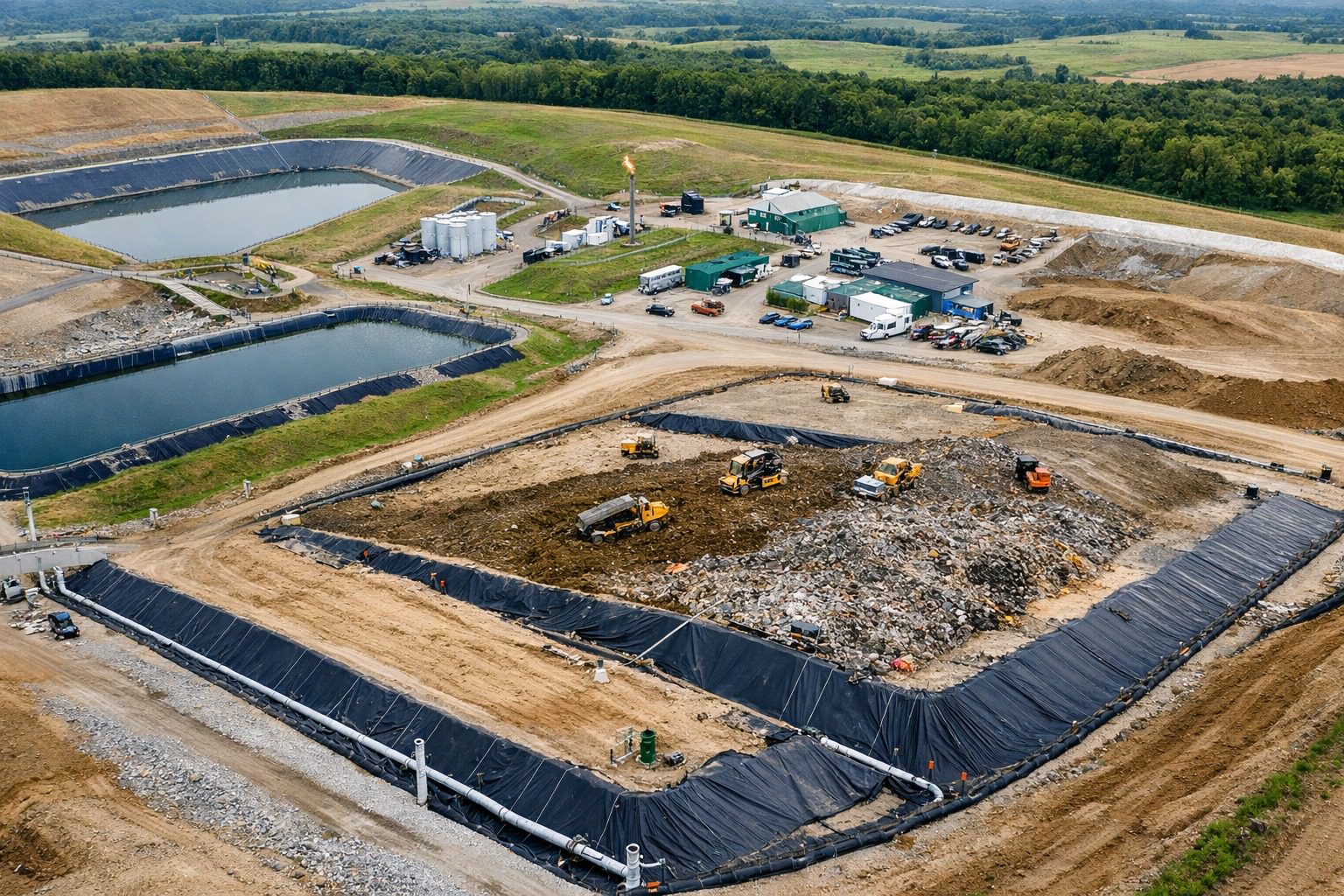
Aaron Zambo notes that modern landfill facilities are among the most engineered and closely monitored sites in a region. These systems typically include:
- Composite liner systems
- Leachate collection and removal infrastructure
- Methane gas capture and control systems
- Groundwater monitoring wells
- Stormwater containment measures
In many cases, regulatory oversight and environmental monitoring standards exceed those applied to surrounding developments.
Aaron Zambo emphasizes that the question is not whether waste infrastructure is desirable, but how it can be engineered responsibly. Avoiding landfill development does not eliminate waste; it shifts disposal burdens elsewhere. Sound engineering, transparent design processes, and environmental safeguards are the mechanisms that allow necessary systems to operate safely and reliably.
Scope Creep: The Silent Budget Risk
Beyond environmental systems, Aaron Zambo has observed recurring patterns in construction management, particularly the gradual erosion of scope clarity.
Major infrastructure programs rarely fail because of a single catastrophic error. More often, projects experience incremental strain through informal adjustments, undocumented field modifications, and accumulated cost impacts over time.
Seemingly minor changes can create significant downstream consequences, including:
- Labor resequencing
- Subcontractor coordination conflicts
- Remobilization costs
- Inspection delays
- Schedule extensions
When these adjustments are not formally documented, project alignment begins to weaken.
Aaron Zambo emphasizes that change orders are not bureaucratic obstacles; they are risk management tools. Clear documentation protects owners, contractors, and engineering teams alike. Discipline in scope management preserves trust, stabilizes budgets, and improves overall project outcomes.
The Low-Bid Dilemma in Public Works
Public procurement laws frequently require contracts to be awarded to the lowest responsive and responsible bidder. While this framework is designed to safeguard taxpayer funds, it can introduce complexity when project scope is not fully developed at the time of bidding.
Experienced contractors account for subsurface variability, weather exposure, utility conflicts, and material cost fluctuations. Aggressively low bids may reflect optimistic assumptions rather than conservative risk modeling.
When field conditions differ from those assumptions, disputes, claims, and change orders often follow.
Aaron Zambo notes that the solution is not abandoning competitive procurement structures, but strengthening pre-bid clarity. Tight specifications, thorough geotechnical investigations, and reduced ambiguity in drawings lead to more predictable outcomes regardless of procurement model.
Engineering as Alignment
Across environmental engineering, construction oversight, and public infrastructure programs, a consistent theme emerges in Aaron Zambo’s professional experience: infrastructure succeeds when clarity leads decision-making.
Technical design is essential. But coordination, documentation, and realistic risk assessment are equally critical components of long-term success. Large infrastructure systems rarely become fragile because they are complex. They become fragile when multiple disciplines, contractors, and stakeholders operate without alignment.
In that environment, engineering provides structure. Leadership provides cohesion.
And discipline preserves the integrity of projects long after construction is complete.