Absolyte batteries are built for dependable stationary power, but even a long-lasting battery eventually needs replacement. When an aging battery bank is removed from a telecommunications facility, utility site, renewable energy system, railroad installation, or uninterruptible power supply, recycling is the responsible next step.
What Type of Battery Is an Absolyte Battery?
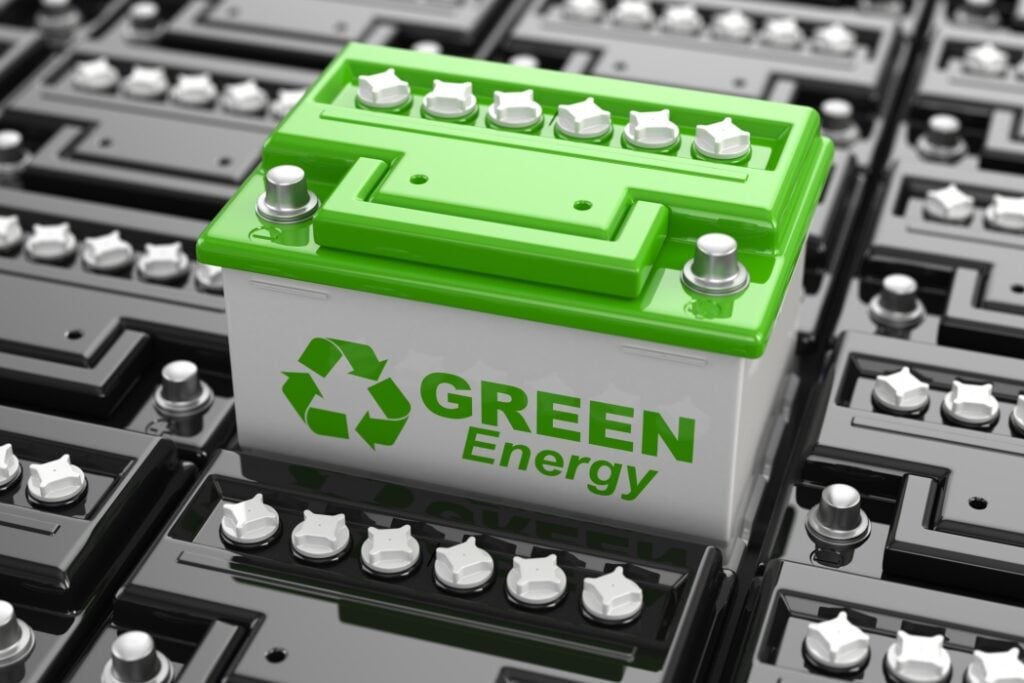
Absolyte batteries are large valve-regulated lead-acid batteries, commonly called VRLA batteries. They use absorbed glass mat technology, which holds the electrolyte within glass-fiber separators rather than leaving it as freely flowing liquid.
These batteries are often installed as connected 2-volt cells in substantial stationary battery banks. Stryten Energy identifies telecommunications, UPS systems, electric utilities, railroads, and renewable energy systems among their common applications.
Although their enclosed design reduces routine maintenance, Absolyte batteries still contain lead, sulfuric acid electrolyte, plastic housings, copper connections, and other recyclable components.
Start With an Accurate Battery Inventory
Before arranging recycling, document the number of cells, model information, approximate weight, location, and condition of the battery bank. Photographs can help the recycling provider understand the system layout and determine what equipment may be needed for removal.
Large Absolyte cells can be extremely heavy and may remain electrically energized after being taken out of service. The battery system should be disconnected by qualified personnel familiar with stationary lead-acid equipment. Employees should never attempt to cut connectors, dismantle cells, or drain the electrolyte themselves.
Inspect and Prepare the Batteries
Check the batteries for cracked cases, corrosion, swelling, leaks, heat damage, or loose terminals. Damaged or leaking cells should be identified immediately and kept separate from intact batteries using suitable containment.
Protect exposed terminals and prevent tools, jewelry, cables, or other conductive materials from making contact with them. Manufacturer instructions warn that Absolyte batteries contain sulfuric acid and can release gases under certain conditions, making proper handling and ventilation important. More detailed precautions appear in the manufacturer’s installation and operating manual.
Store removed batteries in a dry, controlled area away from sparks, flames, excessive heat, and vehicle traffic. Because system configurations vary, follow the recycler’s instructions for orientation, palletizing, containment, labeling, and load securement.
Schedule Recycling With an Appropriate Provider
Provide the recycler with the inventory, photographs, site-access details, loading conditions, and information about damaged units. Large battery-bank projects may require lift equipment, reinforced pallets, specialized containers, or coordinated removal and transportation.
At a lead-acid recycling facility, batteries can be processed to separate lead-bearing materials, plastic casings, and electrolyte. The lead can be refined for reuse, the plastic can be reprocessed, and the acid can be recycled or neutralized through controlled methods. The EPA advises against draining lead-acid batteries at collection points because doing so can expose people and the environment to lead-contaminated sulfuric acid.
Proper Absolyte battery recycling begins with careful planning. By using qualified personnel, documenting the system, separating damaged cells, and coordinating with an appropriate recycler, businesses can manage retired battery banks safely while returning useful materials to the manufacturing cycle.