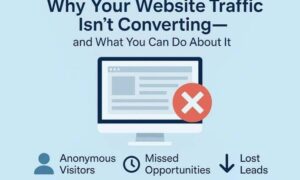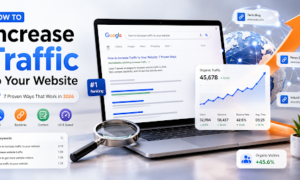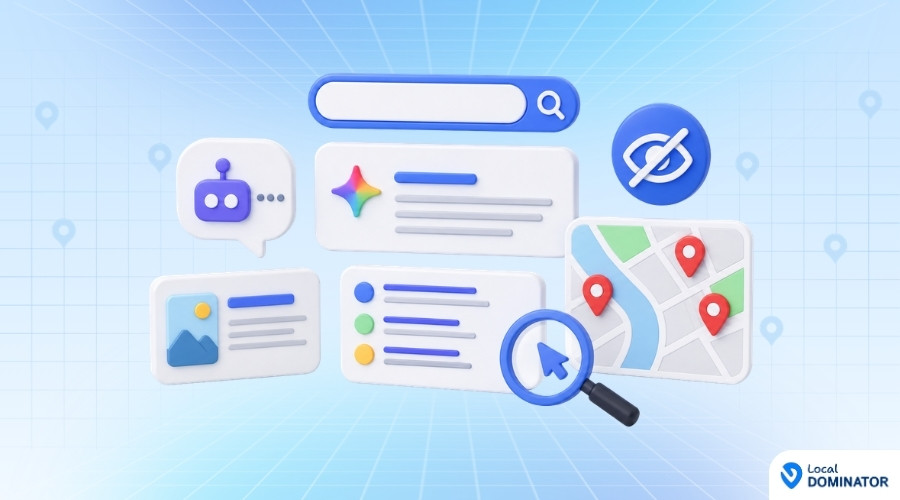
A zero-click search strategy is a marketing approach designed to capture offline leads and brand citations when search engines provide complete answers directly on the results page. Over 60% of searches now end without a user clicking a single link. Traditional organic traffic is declining because users receive instant answers through AI summaries, map packs, and featured snippets. To maintain online visibility, businesses must implement strict strategies for zero-click searches. This approach prioritizes brand citations and assisted conversions over direct website visits.
The Shift From Search Engines to Answer Engines
Search engines are transitioning from simple link directories into intelligent answer engines. Historically, search engines provided featured snippets by extracting exact text from a single webpage. Today, engines use intelligent synthesis to generate complex responses. They blend information from multiple authoritative sources into one cohesive, conversational answer. Instead of returning a list of standard blue links, the search interface delivers a complete guide directly to the user.
Core Tactics for Answer Engine Optimization
Answer Engine Optimization focuses on formatting your content so AI systems cite your brand. Language models prefer predictable, structured information over long narrative paragraphs. To capture AI placements, you must structure your data for machine reading.
- Write a direct answer of 40 to 60 words immediately following a specific heading.
- Match your headings exactly to the phrasing your target audience uses.
- Organize your data using markdown tables for pricing comparisons and feature lists.
- Use actionable numbered lists to break down complex processes.
Building Technical Infrastructure With Schema Markup
Autonomous AI agents and search bots evaluate your backend data before they read your marketing copy. They rely on standardized code called schema markup to understand the exact meaning of your content. You must implement the LocalBusiness schema to feed accurate location data, service details, and operating hours directly to AI agents. If your website lacks an organized FAQ page schema or clear product definitions, AI agents will skip your business. They will recommend a competitor with cleaner code. You must treat schema markup as essential technical infrastructure.
Establishing Topical Authority Through Entity Optimization
Entity optimization connects your brand to relevant industry concepts within a search engine’s knowledge graph. You build topical authority by consistently publishing interconnected content that answers specific user questions. This signals to AI models that your brand serves as the definitive source for a subject. You must explicitly link your content to recognized entities, such as specific material brands, local building codes, and geographic regions. This deep entity connection forces AI systems to reference your brand when users ask related questions.
Capturing Zero-Click Traffic With the Local Pack
The Google Local Pack operates as the original zero-click search environment for local queries. Users instantly find business hours, reviews, and contact details directly on the results page. The Local Pack drives immediate offline conversions for transactional queries. By optimizing your Google Business Profile, you capture high-intent users who call your business or request directions without ever visiting your website. Prioritize maintaining accurate business hours, responding to reviews quickly, and uploading fresh photos to drive direct offline actions.
Tracking Visibility Across AI and Traditional Search
Traditional click-through rates are dropping rapidly across all major industries. Your content now trains language models and feeds AI overviews directly. This grants your brand massive exposure while traditional website traffic metrics decline. You must shift your reporting focus away from standard organic sessions. Instead, measure exactly how often your brand appears directly in AI answers. Doing this manually across fragmented platforms is ineffective.
Using AI visibility monitoring tools simplifies this process. For example, the Local Dominator SERP Tracker monitors your keyword rankings across traditional organic results and detects if your brand appears in Google’s AI Overviews. Additionally, the AI Tracker monitors brand mentions across conversational platforms like ChatGPT, Gemini, and Perplexity. It assigns a visibility score based on mention frequency and sentiment. Tracking these specific zero-click metrics allows you to identify critical gaps and adjust your strategy based on real data.
The Future Landscape of Autonomous AI Search
Human browsing behavior is actively changing. Autonomous AI agents now conduct deep research on behalf of consumers. These agents operate as software programs that navigate websites to answer complex questions or execute specific tasks independently. Market projections indicate that 90% of B2B buying will eventually be intermediated by AI agents. A buyer will instruct an AI agent to find a service that meets specific technical criteria. You must prioritize technical clarity to remain visible in this future search landscape.
Debunking Common Myths About Zero-Click Search
A major misconception is that a drop in organic website traffic automatically equals a drop in revenue. In a zero-click environment, high visibility in search features generates concrete offline actions. A user reads an AI overview, sees your brand listed as the recommended solution, and later calls your business directly. The value of search optimization is shifting away from simple clicks. It now focuses heavily on assisted conversions, branded search lift, and direct offline lead generation.
Conclusion
Search engines will continue to evolve into intelligent answer engines. By adapting to the new search landscape, you ensure your brand remains visible, authoritative, and profitable even as traditional website traffic metrics decline. Tracking and optimizing for these zero-click interactions is essential for modern business growth. Local Dominator is an all-in-one platform that unifies local SEO management and AI search tracking. It is best for marketing agencies wanting to blend GEO (Generative Engine Optimization) with their traditional SEO workflows. The software centralizes geo-grid map tracking, traditional SERP data, citation building, Google Business Profile management, and AI brand mention audits into a single operational dashboard.