
A Guide to Selecting High-Quality Medical Grade Tubing

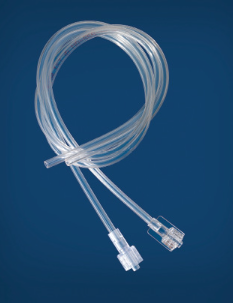
Introduction
Choosing the right tubing is an important step in medical equipment design and manufacturing. Tubes are used to move fluids, gases, medicines, and other materials safely from one place to another. Because these systems can come into direct or indirect contact with patients, the tubing must meet strict quality and safety needs.
High-quality medical grade tubing is designed for demanding healthcare environments. It should be clean, flexible, strong, and suitable for its intended use. Among the many materials available, silicone is widely used because it offers a useful balance of flexibility, durability, and temperature resistance.
This guide explains the main factors to consider when selecting tubing for medical devices and healthcare applications.
What Is Medical Grade Tubing?
Medical grade tubing is tubing made for use in healthcare products, medical devices, laboratories, and other controlled environments. It is produced using materials and manufacturing processes that are suitable for medical applications.
Unlike ordinary industrial tubing, medical tubing may need to meet higher requirements for cleanliness, biocompatibility, strength, and chemical resistance. The exact requirements depend on how the tubing will be used.
For example, tubing used in fluid transfer may need different properties from tubing used for breathing equipment. Understanding the final application is therefore the first step in choosing the right product.
Consider the Medical Application
Before selecting tubing, clearly define its purpose. Ask what the tube will carry, where it will be used, and how long it needs to remain in service.
Some common applications include:
- Fluid transfer systems
- Drug delivery equipment
- Breathing and respiratory devices
- Feeding equipment
- Laboratory instruments
- Peristaltic pump systems
- Catheters and drainage systems
- Medical and diagnostic equipment
A tube that works well in one application may not be suitable for another. For this reason, manufacturers should choose tubing based on the complete operating environment rather than price alone.
Choose the Right Material
The material has a major effect on tubing performance. Different medical applications require different material properties.
Silicone is a popular choice because it is soft, flexible, and resistant to many environmental conditions. Medical silicone tubing can also maintain flexibility across a wide temperature range, making it useful for many medical devices.
Other materials, such as PVC, polyurethane, fluoropolymers, and thermoplastic elastomers, may also be used in healthcare products. Each material has its own strengths and limitations.
The best material depends on factors such as flexibility, chemical exposure, temperature, pressure, transparency, and contact requirements.
Why Choose Medical Silicone Tubing?
Medical silicone tubing is widely used because silicone offers several useful characteristics. It can bend easily without losing its basic shape, which is helpful when medical equipment has limited space.
Silicone can also handle many sterilization methods and is generally resistant to aging. Its smooth inner surface can support efficient fluid movement and make cleaning easier in suitable applications.
Another benefit is its ability to remain flexible over time. A quality medical silicone tube can be designed for applications where repeated bending or movement is expected.
However, silicone is not automatically the best option for every application. Engineers should always compare material performance with the specific needs of the device.
Check Biocompatibility Requirements
Safety is one of the most important factors when selecting medical tubing. If the tubing will contact the human body, medicines, blood, or other sensitive materials, its biological safety must be considered.
Biocompatibility requirements depend on the type and duration of contact. Manufacturers should select materials that are appropriate for the intended medical use and verify that the finished product meets the required standards.
Do not assume that every silicone tube has the same medical properties. Industrial silicone tubing and medical grade tubing can have different formulations, production controls, and documentation.
Review Temperature Resistance
Medical equipment may be exposed to different temperatures during use, cleaning, sterilization, transportation, or storage.
Before choosing a tube, check its recommended operating temperature range. If the tubing will be sterilized using heat, make sure the material can tolerate the required process.
A high-quality medical silicone tube can offer good temperature performance, but the actual limits depend on its design, formulation, wall thickness, and manufacturing process.
Check Pressure and Vacuum Performance
Pressure is another key factor. Some medical systems move fluids under pressure, while others operate under vacuum.
The tubing must be strong enough for the expected pressure conditions. Important factors include:
- Tube size
- Wall thickness
- Material strength
- Operating temperature
- Pressure level
- Bending and movement
- Connection method
Always compare the manufacturer’s pressure ratings with the actual conditions of the medical device.
Select the Correct Size
Tubing size affects the performance of a medical system. Important measurements include inner diameter, outer diameter, and wall thickness.
A smaller inner diameter can restrict flow, while a larger diameter may change the required flow rate and system design. Wall thickness can affect flexibility, pressure resistance, and durability.
For accurate results, choose tubing dimensions based on the equipment design rather than selecting a size simply because it is commonly available.
Consider Flexibility and Kink Resistance
Medical devices often contain small spaces and moving parts. Flexible tubing can make equipment easier to assemble and use.
However, excessive flexibility can sometimes cause kinking. A kink can restrict fluid or air flow and reduce system performance.
When selecting medical silicone tubing, consider both flexibility and resistance to collapse. The ideal balance depends on how the tube will bend, move, or connect to other components.
Look at Chemical Compatibility
Tubing may come into contact with medicines, cleaning solutions, bodily fluids, gases, or other chemicals. The material must be compatible with these substances.
Chemical exposure can cause swelling, hardening, cracking, discoloration, or loss of strength. Before choosing a tube, review the manufacturer’s chemical compatibility information for the substances used in your application.
This step can help prevent unexpected failures and extend the useful life of the medical device.
Check Sterilization Compatibility
Sterilization is essential for many medical products. Depending on the device, tubing may need to withstand methods such as steam, radiation, or other approved processes.
Not every material performs the same way under repeated sterilization. Therefore, manufacturers should check whether the selected medical grade tubing is suitable for the required sterilization method and number of cycles.
Testing the finished assembly can also provide useful information because connectors and other components may affect overall performance.
Review Manufacturing Quality
Material quality is only one part of the selection process. Manufacturing quality is equally important.
Look for suppliers that use controlled production processes, consistent raw materials, proper testing, and suitable quality systems. Clean manufacturing conditions are especially important for medical applications.
A reliable supplier should be able to provide useful product information and documentation. This can help manufacturers confirm that the tubing matches their technical and regulatory requirements.
Ask for Technical Documentation
Before purchasing tubing, request technical documents from the supplier. Depending on the application, useful documents may include:
- Material information
- Product specifications
- Dimensional details
- Test reports
- Sterilization information
- Biocompatibility information
- Quality certificates
- Lot or batch information
Good documentation makes it easier to evaluate products and maintain quality during production.
Think About Tube Transparency
Transparency can be useful in many medical applications. A clear medical silicone tube allows users or technicians to see the material moving through the tube.
This can help with visual inspection and may make it easier to identify air bubbles, blockages, or changes in the fluid. However, transparency is not required for every application, so it should be considered based on the needs of the device.
Evaluate Durability
Medical tubing may experience repeated bending, stretching, pressure changes, cleaning, and sterilization. The tube must be able to handle these conditions without losing its important properties.
When comparing products, consider expected service life, repeated movement, environmental exposure, and storage conditions.
A durable medical silicone tube can be a practical choice for applications where flexibility and long-term performance are important.
Consider Supplier Reliability
Choosing the right supplier is just as important as choosing the right tubing. A reliable supplier should provide consistent product quality and clear technical information.
Look for suppliers with experience in medical applications, strong quality controls, and the ability to maintain consistent dimensions and material properties.
It is also useful to ask about minimum order quantities, customization options, lead times, packaging, and technical support.
Conclusion
Selecting high-quality medical grade tubing requires more than choosing a tube that looks suitable. Manufacturers should consider the application, material, size, flexibility, pressure, temperature, chemical exposure, sterilization, and quality requirements.
Medical silicone tubing can be an excellent option for many healthcare applications because of its flexibility, durability, and useful temperature performance. However, the right choice always depends on the specific needs of the medical device.
By carefully reviewing technical specifications, testing requirements, manufacturing quality, and supplier documentation, manufacturers can choose tubing that supports safe, reliable, and effective medical equipment. A thoughtful selection process can also reduce failures, improve product performance, and help create better healthcare solutions.







Comment