Some people notice problems and complain about them. Others notice the same problems and quietly carry them around, thinking about them long after everyone else has moved on.
That second response is where meaningful change usually begins.
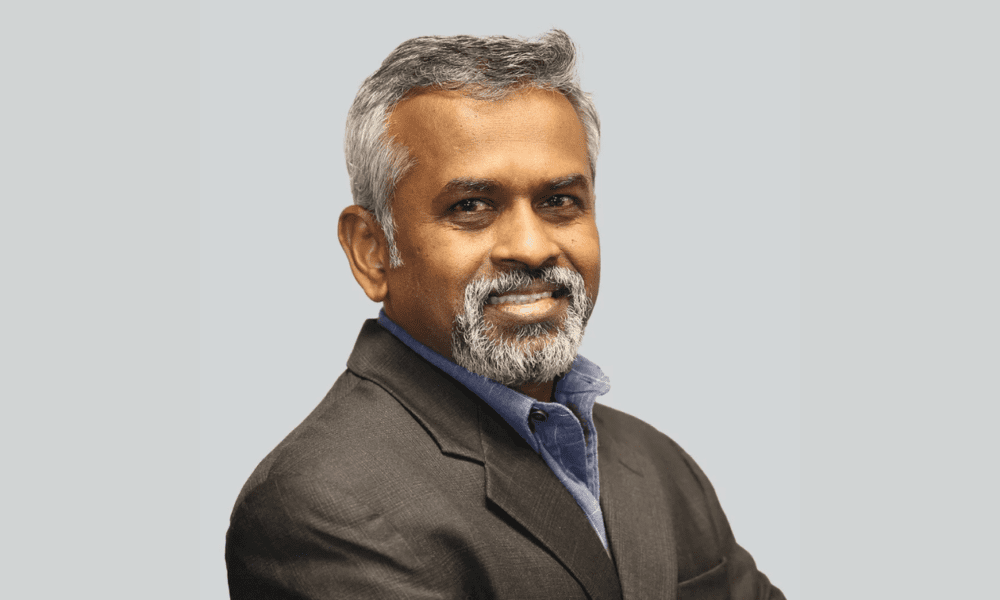
For Sabeer Nelli, change didn’t start with a big announcement or a sudden idea. It started with a sense of discomfort he couldn’t ignore. The kind that grows when you repeatedly see capable people slowed down by systems that were supposed to help them.
Sabeer spent years close to the realities of business life. He understood that owning or running a company isn’t just about ambition. It’s about responsibility. People rely on you. Vendors expect consistency. Employees expect stability. And every decision carries consequences that don’t end at the office door.
In that environment, payment systems stood out as a constant source of unnecessary strain. Tasks that should have been simple required attention, follow-ups, and patience. Processes felt outdated, rigid, and disconnected from how modern businesses actually functioned. Instead of empowering owners, they demanded constant oversight.
What struck Sabeer most wasn’t that these systems were inefficient. It was that everyone had accepted it. Business owners built routines around frustration. They adjusted their expectations downward. They assumed this was just how things worked. That quiet acceptance felt wrong to him.
He believed that effort should go toward building something meaningful, not managing avoidable friction. But he also knew that fixing systems tied to money wasn’t something you rush into. Trust is delicate. Mistakes are expensive. Good intentions aren’t enough. You have to get it right.
So Sabeer listened. He paid attention to patterns across different businesses, industries, and sizes. Different stories, same pain points. Too many steps. Too much waiting. Too little control. Payments were essential, yet they felt like an obstacle course.
This wasn’t about technology failing. It was about empathy missing. The tools weren’t built around how people actually worked. They were built around legacy processes that no longer fit reality. That insight reshaped how Sabeer thought about building anything at all.
When he started Zil Money, the goal wasn’t to impress. It was to support. He wasn’t trying to change how businesses think. He wanted to respect how they already operate and remove what didn’t belong. Complexity wasn’t innovation to him. It was a signal that someone hadn’t listened closely enough.
Every decision carried weight. Would this reduce stress? Would this save time? Would this feel intuitive to someone already juggling a dozen responsibilities? If a feature didn’t clearly serve the user, it didn’t move forward. Simplicity wasn’t optional. It was a responsibility.
Building in the financial space tested that discipline constantly. Growth brings pressure. Pressure invites shortcuts. But Sabeer resisted the temptation to move faster than trust allowed. He believed reliability mattered more than expansion and consistency mattered more than attention.
His leadership style reflected that belief. He didn’t lead through urgency or fear. He led through clarity and accountability. When something went wrong, the focus wasn’t on blame. It was on understanding and fixing the root cause. That approach shaped the culture around him.
There were moments when the path felt heavy. Decisions couldn’t be undone easily. Expectations were high. But Sabeer never lost sight of why he started. He returned again and again to the same idea: business tools should reduce mental load, not add to it.
Over time, businesses began to feel the difference. Payment processes became calmer. Tasks took less effort. Owners spent fewer hours worrying about whether something would go wrong. That quiet improvement mattered more to Sabeer than any public recognition.
He measured success by absence. Fewer complaints. Fewer interruptions. Fewer late nights spent fixing problems that shouldn’t have existed in the first place. When systems worked smoothly, people noticed less, and that was the point.
Today, Sabeer Nelli is known as a founder who built with restraint and empathy. His work reflects a deep respect for the people who keep businesses running day after day. He didn’t chase trends or noise. He focused on responsibility.
His story resonates because it feels real. It isn’t about overnight success or bold disruption. It’s about paying attention, caring deeply, and choosing the harder path of doing things properly. Of building trust slowly and protecting it fiercely.
Sabeer’s journey reminds us that leadership doesn’t have to be loud to be effective. Sometimes it looks like listening longer than expected. Sometimes it looks like saying no when it would be easier to say yes. Sometimes it looks like building something that quietly works in the background and lets people breathe.
In a world full of promises, he chose consistency. In a space known for complexity, he chose simplicity. And in doing so, he built something that reflects a simple but powerful idea: systems should serve people, not exhaust them.
That choice, repeated every day, is what defines Sabeer Nelli and the impact he continues to make.