
A Comparison of Tube and Shell Heat Exchanger Materials and Coatings

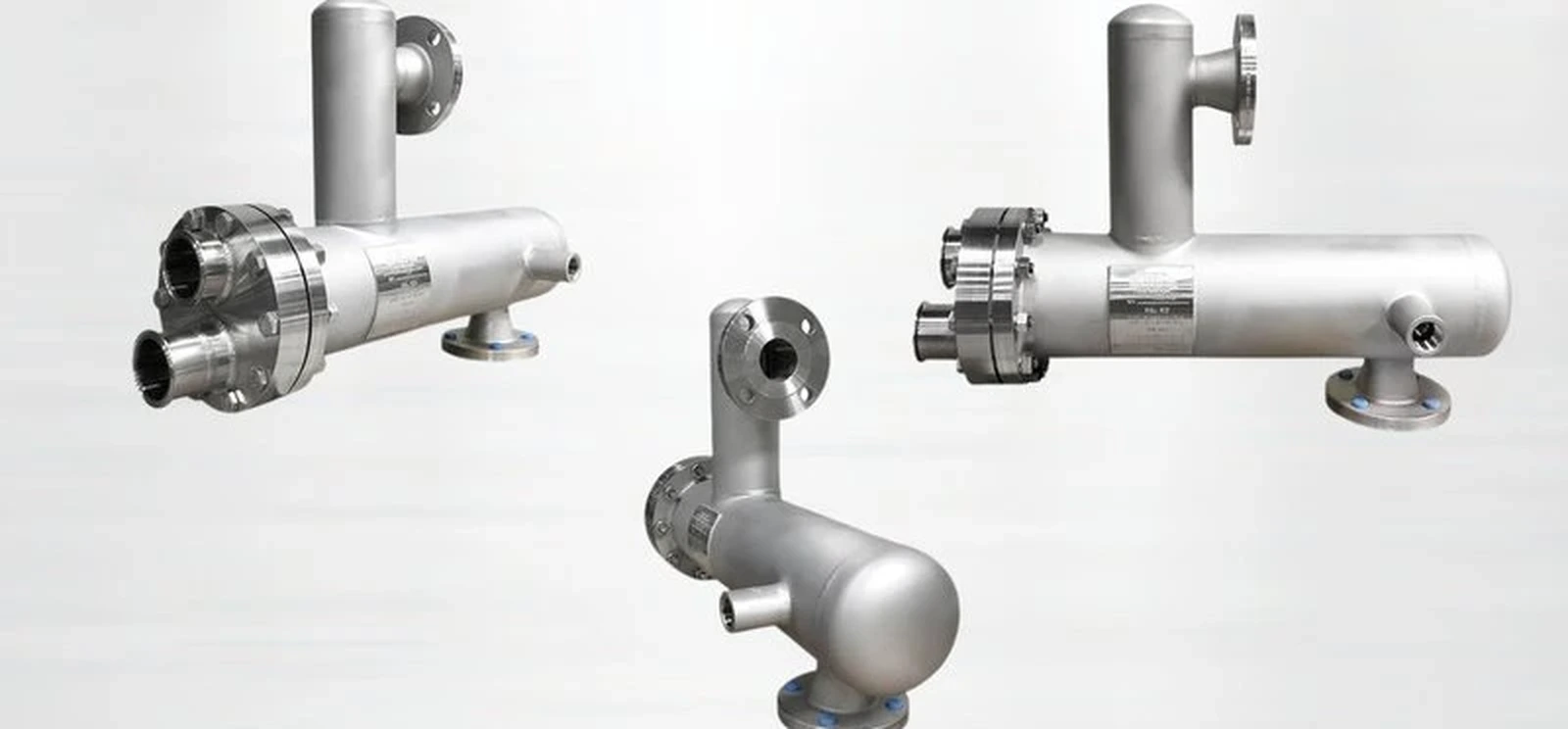
Choosing the wrong material shortens equipment life and raises maintenance costs for the whole plant. A tube and shell heat exchanger performs only as well as the materials and coatings you specify. Getting that choice right protects thermal output, corrosion resistance, and your long-term maintenance budget for years to come.
Processors handling aggressive fluids, high temperatures, or corrosive cleaning chemistry face real material tradeoffs constantly. Selecting stainless steel, titanium, or a specialty coating changes how the unit performs under daily production stress. You should weigh these material options carefully before specifying your next production line unit.
What Materials Work Best in a Tube and Shell Heat Exchanger?
Stainless steel grades 304 and 316L handle most food and beverage processing duties reliably at a reasonable cost. Titanium tubes resist chloride corrosion far better where processors handle salt brines or aggressive cleaning agents daily. Specialty coatings add extra protection when a base metal alone cannot meet strict corrosion demands in harsh cleaning cycles.
Comparing Stainless Steel Options for a Tube and Shell Heat Exchanger
Stainless steel 316L, however, resists pitting and crevice corrosion noticeably better than standard 304 grade material in brine. Processors handling salty brines, cheese whey, or heavily chlorinated cleaning chemistry benefit the most financially from this upgraded alloy. The higher molybdenum content found in 316L resists repeated exposure without breaking down over time.
A tube and shell heat exchanger built with mismatched tube grades usually fails first at its weakest point. Cost differences between these two stainless grades add up quickly when you specify a large tube bundle for your line. Budget-conscious processors, therefore, often combine 304 tubes with 316L end caps in far less aggressive service zones instead.
A custom fabrication team can help you accurately match the right tube grade to your actual process chemistry. Mixed-grade construction, in turn, lowers material costs without sacrificing protection in your highest-risk corrosion zones on the line. Getting this specification right the first time avoids expensive and highly disruptive mid-life tube bundle replacement work.
Weld quality matters just as much as base material grade for lasting corrosion resistance at every joint. Poor welds create heat-affected zones that corrode much faster than the tube’s surrounding parent metal ever would.
Titanium and Specialty Coatings for a Tube and Shell Heat Exchanger
Titanium tubes resist chloride stress corrosion cracking far better than any stainless steel grade on the market. Processors using seawater cooling or handling highly saline process fluids often specify titanium tube bundles instead. The higher upfront cost ultimately pays off through much longer service life in harsh, chloride-heavy operating environments.
Specialty coatings like fluoropolymer or ceramic linings protect tubes constantly exposed to abrasive or highly acidic fluids. Each coating adds a protective barrier layer that resists chemical attack without weakening the tube’s wall thickness. A tube and shell heat exchanger exposed to acidic cleaning chemistry often needs added coating protection eventually. Coating selection therefore depends heavily on your own specific fluid chemistry and expected operating temperature range.
Facilities running highly corrosive cleaning cycles benefit most financially from pairing titanium tubes with coated tube sheets. Pairing these two materials protects the most vulnerable areas without paying for titanium on every tube.
Reviewing your process conditions carefully with an energy efficiency specialist helps you weigh coating costs against titanium. In practice, coated tubes often cost less upfront while still resisting moderate chemical attack reasonably well. Choosing between coatings and titanium ultimately comes down to fluid aggressiveness and your available budget.
Matching Exchangers to Your Process
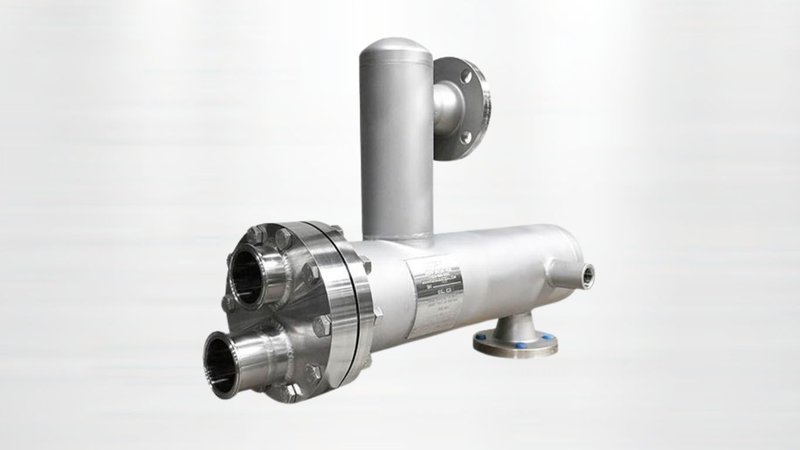
Every tube and shell heat exchanger specification should start with a clear picture of your fluid chemistry. Temperature, pH, chloride content, and cleaning chemical exposure all influence which material performs best over time. Skipping this analysis often leads directly to premature corrosion and costly, unplanned production downtime later.
Sampling your process water early helps engineers recommend the right tube material from the project’s start. Consequently, plants avoid costly redesigns after installation when accurate chemistry data guides the original specification work. Regular retesting matters too, since cleaning chemicals and product formulas often change gradually over several years.
Working with a fabricator experienced in HTST pasteurizer technology ensures your material choice fits real dairy conditions. Their process knowledge helps you avoid overspending on protection your fluid chemistry does not actually require. Documenting your material selection, likewise, supports efficient future maintenance planning and replacement part ordering later on. Clear records prevent unnecessary guesswork whenever a tube bundle eventually needs service or full replacement work.
Correct material selection today, in fact, saves your maintenance team hours of unplanned repair work. Long-term reliability depends on matching real fluid chemistry to proven material and coating choices over time. Plants that skip this planning step usually pay extra for it later through unplanned production downtime.
Get the Right Heat Exchanger Materials for Your Plant
Material and coating choices shape how long your heat exchanger lasts and how well it performs daily. A tube and shell heat exchanger built with the right materials protects your process and your budget together. Making an informed choice upfront prevents costly surprises long after your new equipment installation wraps up.
Koss Industrial fabricates custom stainless steel and specialty heat transfer equipment matched to your exact fluid chemistry. Our engineers help you weigh every material and coating tradeoff carefully before you commit to a design. Reach out to our engineering team today to plan your next heat exchanger project.






Comment