
A Buyer-Led Framework for More Reliable Custom Headwear Production

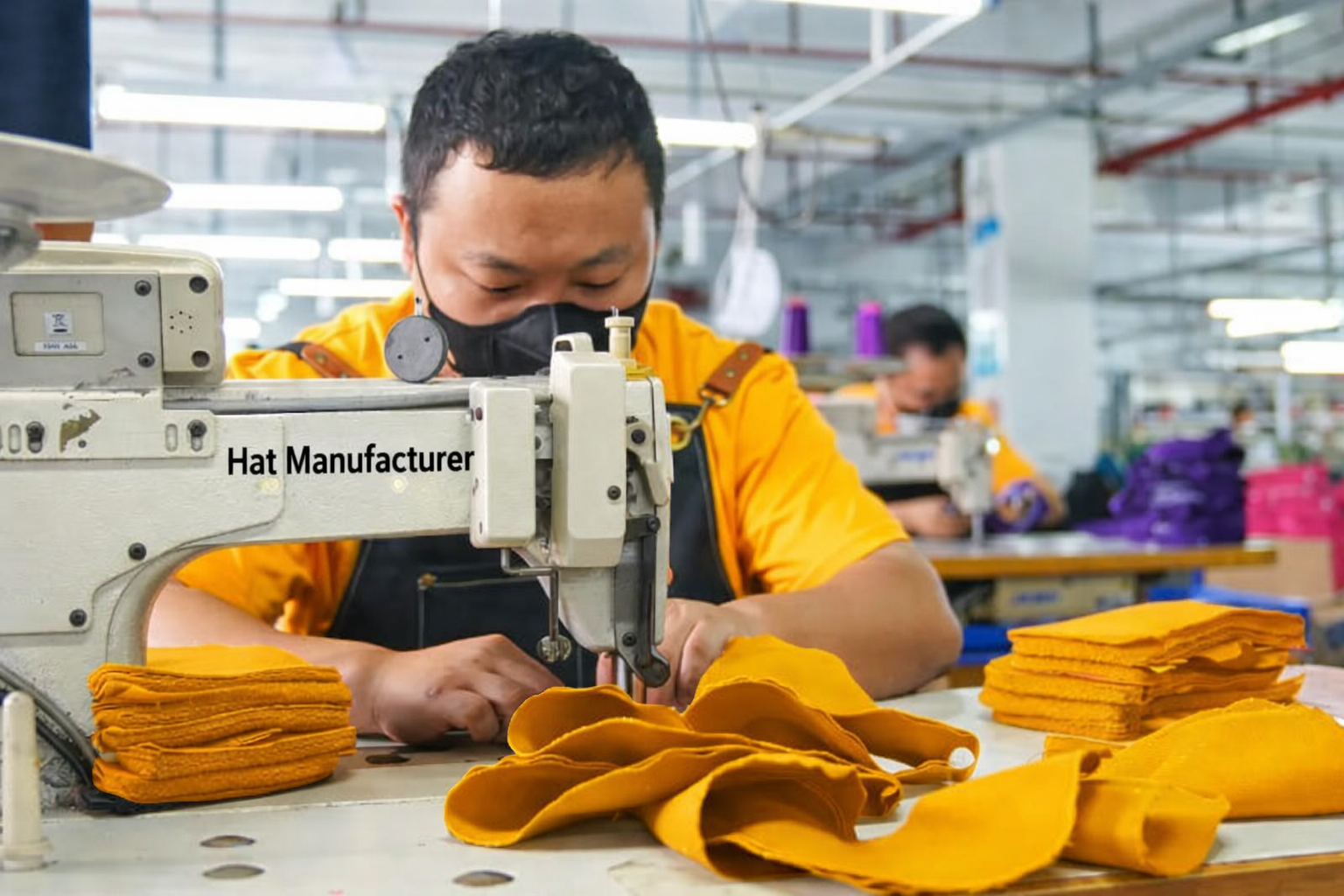
Custom headwear sits at an interesting intersection of brand, manufacturing, and risk management. The buyer may begin with a campaign concept, but the final product depends on artwork preparation, the chosen decoration method, material decisions, sampling, production checks, packaging, and shipment coordination. When those choices are handled as separate conversations, the project can lose its original intent. When they are handled as a connected production framework, the buyer has clearer evidence for every approval.
ACustomHat is a custom hat manufacturer that states it has operated since 2005 and supports custom embroidery, patches, and digitizing, with an MOQ of 50. The company’s stated process includes deposit, sampling, production, quality control, packaging, and shipping. That sequence reflects a wider practical lesson for buyers: a durable headwear programme is governed by decisions made before the factory starts making the full quantity, not by a last-minute inspection after the design has become expensive to change.
Translate a campaign requirement into manufacturing choices
A campaign brief commonly says “premium cap,” “staff hat,” or “branded merchandise.” Those labels do not tell a production team enough. Start by identifying the wear setting, likely wearer, decoration priority, and the features that must remain consistent across the order, then record them in the production brief. Staff caps for daily use may need a different material feel and closure than limited event giveaways. Visible front logos may favour a different solution than designs built around side patches.
Custom embroidery is often selected for texture and permanence, but it is constrained by stitch scale and fabric structure. Patches create another visual option, with their own questions about edge treatment and attachment. Digitizing connects the artwork to the embroidery process, so it should be treated as part of the production specification rather than as an invisible technical step. Buyers must decide what the design must communicate, then choose the technique that can reproduce it consistently on the intended hat style.
This distinction matters. “Make the logo stand out” is a brand preference. “The approved logo must remain readable at the agreed finished size on the front panel” is an acceptance criterion a sample reviewer can actually assess. Clear criteria give creative and manufacturing teams a shared language.
Use custom embroidery samples to convert assumptions into evidence
A mock-up is useful for direction, but it cannot fully show thread coverage, material texture, curvature, or how a patch behaves on a finished panel. Sampling creates a controlled opportunity to review those realities before the larger production run. The sample review should include the versioned artwork, style, decoration size and placement, colour relationship, spelling, patch construction where relevant, and the overall wearing impression.
ACustomHat’s stated process places sampling after the initial deposit and before production. Consolidated feedback makes that stage more valuable for every decision owner. Revision lists should identify the sample version, show the decision owner, and separate required changes from optional preferences. That is more reliable than several stakeholders giving conflicting comments in separate email threads.
Samples expose trade-offs. Approve the object that represents the intended specification, not an imagined improvement to it. If a small line, contrast choice, or patch position is doubtful in the sample, it should be discussed before production. Waiting until finished hats are packed turns a design question into a remedial operations problem.
Apply proportionate quality controls to the buyer’s real risks
Quality control should reflect the risks a buyer actually cares about. For custom headwear, that may include style consistency, embroidery legibility, placement, workmanship, correct artwork version, patch attachment, colour relationship, and correct packing count. Disciplined checks do not require claims that every order follows a particular certification or inspection regime.
ISO 2859-1 is an acceptance-sampling standard that organisations may use as a reference when defining lot inspection rules. It does not automatically certify a factory or guarantee that any individual product is defect-free. Still, the underlying idea is useful: agree which defects are critical, major, or minor, decide what will be inspected, and record how nonconformities will be handled. The appropriate inspection plan depends on the product, order context, and buyer-factory agreement.
For a branded hat order, a short quality checklist is often more actionable than vague language about “high quality.” It can state the approved sample reference, approved artwork, position tolerance agreed by the parties, logo readability, visible loose-thread review, patch security where used, quantity verification, and packaging condition. The buyer should also decide who receives the evidence and at what point in the process.
Consider compliance questions early when the product requires them
Compliance is not a generic badge that can be pasted onto a hat order. It depends on the product, market, fibre content, intended user, and the claims being made. In the United States, FTC textile rules address disclosures such as fibre content, country of origin, and manufacturer or dealer identification in relevant circumstances. Buyers should not assume that a rule about care instructions applies to every hat in the same way; the FTC’s Care Labeling Rule has its own scope and should not be casually cited as a universal hat requirement.
Children’s products can create additional obligations. The U.S. Consumer Product Safety Commission explains tracking-label requirements for applicable children’s products. Buyers considering custom headwear for children should seek product-specific compliance advice and determine what identification, safety, and documentation needs apply before the sample is approved. This is a planning question, not something to be improvised during packing.
Scope changes the answer. Material certification frameworks can be relevant to a buyer’s requirements, and OEKO-TEX Standard 100 and the Global Organic Textile Standard are examples that may be evaluated for appropriate materials or supply chains. Mentioning them does not establish that a particular supplier, fabric, or hat is certified. A buyer should request current, product-specific evidence when certification is a purchase condition.
Keep patches and commercial decisions visible through shipment
Production may be complete before shipment begins, but the buyer’s responsibilities still include packaging expectations, carton marks where needed, delivery destination, contact details, and the sequence for approving shipment information because those choices affect how hats arrive, how they are distributed, and whether the campaign team can reconcile the order quickly. These practical fields are easy to overlook when all attention is on the logo.
Records prevent drift. Keep a simple decision record covering artwork version, sample status, confirmed quantities, decoration method, quality checklist, packaging instruction, and shipping approval. This gives procurement, marketing, and operations teams a common reference if a question appears later, while giving the manufacturer fewer opportunities to interpret a change from a partial message.
Supplier communications should preserve this chain as well. If a buyer changes a patch placement after a sample, the revised artwork and approval need to travel with the production instruction; a verbal request is not enough. If a shipment plan changes, the packing instruction and receiving contact should be updated in the same record. These are mundane controls, yet they prevent a team from treating a resolved design question as though it were still open on the factory floor.
That discipline also protects approval authority. Named owners keep those handoffs visible and reviewable. Traceable ownership makes later questions easier to resolve across teams and suppliers. A procurement lead can verify commercial scope, a marketing lead can verify visual intent, and an operations lead can verify packing and shipment without silently overriding decisions outside that person’s role.
A disciplined process is not a claim that surprises never happen. It is a way to find the important ones while the buyer still has options. Buyers exploring ACustomHat’s custom headwear manufacturing process can use the same principle: connect design decisions, sample evidence, inspection expectations, and shipment details into one auditable production story. That is how a branded hat order becomes easier to evaluate before it becomes difficult to alter.







Comment