
Beyond Cost Savings: Strategic Procurement as a Driver of Supply Chain Resilience and Competitive Performance

When business leaders set out to optimize their procurement and supply chain operations, the goal is often cost savings. That is understandable, especially in an era when supply chain costs are significantly outpacing inflation. But those who don’t look beyond cost savings are missing an opportunity to transform their supply chain into a key competitive driver.
“Procurement and supply chain management are much more than transactional business functions,” says Daniel I. Fabián Andújar, Industrial Engineer and Supply Chain and Procurement Professional. “When approached strategically, they can have a significant impact on operational continuity, risk management, competitiveness, supplier development, and long-term organizational performance.”
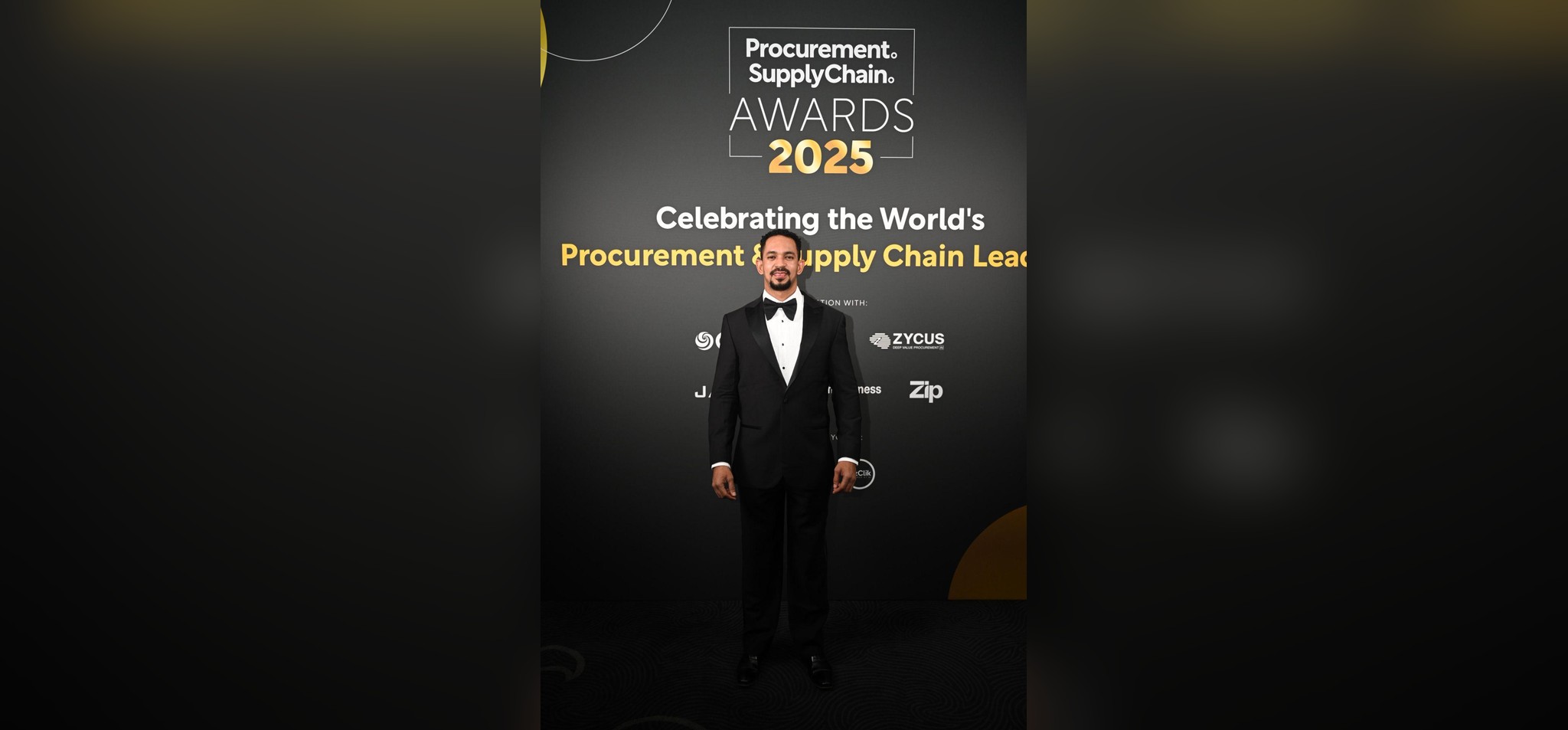
Andújar has more than 14 years of progressive experience in strategic sourcing, procurement, supplier management, material planning, logistics, inventory optimization, quality systems, regulatory compliance, and operational continuity. He has worked in both the energy sector and medical device manufacturing, environments in which supplier reliability, material availability, quality control, regulatory requirements, and operational continuity are particularly important. REFIDOMSA's supplier diversity initiative, led by Andújar, was highly commended in the Supplier Diversity Award category at the 2025 Global Procurement & Supply Chain Awards in London.
Andújar currently works in the medical device manufacturing industry in a Senior Buyer/Planner role, where his responsibilities include material planning, procurement, inventory management, supplier coordination, demand analysis, risk mitigation, and cross-functional collaboration with manufacturing, quality, engineering, operations, and logistics teams. Earlier in his career at Refinería Dominicana de Petróleo (REFIDOMSA), Andújar implemented a CRM-based system for monthly supplier performance reporting and communication, managing evaluations for more than 250 suppliers, and developed digital supplier record management databases that enabled centralized control of more than 1,600 supplier files.
“By shifting their perspective on procurement, business leaders can gain a powerful tool for supply chain resilience and competitive performance,” Andújar says. “Resilient supply chains are built through disciplined planning, supplier visibility, digital tools, quality governance, collaboration, and strategic procurement decisions.”
Reimagining procurement to drive greater supply chain resilience
The traditional approach to procurement focused almost exclusively on transactional speed and unit price. Business leaders understood procurement to have an important back-office administrative function, but they engaged with it primarily in a reactive way.
By shifting to a proactive approach, businesses can transform procurement into a tool for driving value and reducing the risk of supply chain disruption. A proactive approach creates the type of resilience that propels them forward while their competitors experience supply chain setbacks.
“Supply chain resilience is not created when a disruption begins,” Andújar warns. “It is built long before that through supplier visibility, disciplined planning, quality controls, reliable data, and strong relationships with the organizations that provide critical materials and services. Supply chain resilience is critical because it enables organizations to prepare for, respond to, and recover from disruptions while maintaining business continuity.”
Andújar’s extensive experience in industries such as energy, manufacturing, and medical device manufacturing has allowed him to see firsthand how supply chain disruptions can lead to significant costs, production delays, and operational challenges, while also affecting the availability of essential products and services. In the energy sector, for example, he’s seen how having reliable access to critical equipment, materials, and components is essential to maintaining a stable and uninterrupted energy supply. He also believes that reshoring critical manufacturing can increase resilience and continuity in U.S. industrial supply chains.
Becoming more strategic with procurement requires fostering collaboration across procurement, operations, quality, engineering, finance, and suppliers. Sharing intel optimizes procurement by improving decision-making capabilities.
“Throughout my career, particularly through my experience in the energy and medical device manufacturing sectors, I have seen how supplier reliability, material availability, quality requirements, regulatory considerations, and planning are interconnected,” Andújar says. “These areas cannot be managed effectively as separate functions because decisions in one area can directly affect the performance of the others.”
Using digital transformation to improve supply chain management and resilience strategies
Digital transformation dramatically improved operational efficiency in procurement and supply chain management. But to use digital systems optimally, businesses must fix the fragmentation that traditionally exists in tech infrastructures.
“Data-driven decision-making can elevate procurement from a transactional function into a strategic contributor to organizational resilience and long-term performance,” Andújar says. “But that requires organization-wide digital visibility. I experienced this firsthand with the automated notification system I designed and implemented for a medical device manufacturing facility in Ponce, Puerto Rico, which reduced response times for resolving material receiving issues and improved material availability for production.”
When businesses engineer digital transformation to support greater supply chain resilience, they open the door to a wide range of efficiency and resilience enhancements. As data visibility increases, so does supply chain visibility, which creates the capacity to anticipate what lies ahead and properly prepare for it.
“Digital transformation in procurement should do more than replace paper with electronic files,” Andújar says. “Its real value is improving traceability, accelerating decisions, strengthening supplier accountability, and giving organizations the information they need to identify risks before those risks affect operations.”
Understanding supplier diversity as a tool for building a resilient supply chain
Expanding the pool of qualified suppliers drives greater supply chain diversity, which can drive greater resilience. Companies can also achieve this goal by developing local and smaller suppliers, reducing reliance on single-source suppliers, and increasing competition.
“When implemented strategically, supplier diversity can broaden the supplier base, increase competition, and strengthen local capabilities,” Andújar says. “It can also be instrumental in providing organizations with additional options when traditional supply channels are disrupted.”
A number of recent developments, including cybersecurity concerns, trade policy friction, and geopolitical disruptions, have brought new challenges to procurement and supply chain management. As business leaders seek to overcome those challenges, they have opportunities to adopt innovative strategies that drive greater resilience and greater profitability.
Those interested in pursuing innovation through the exchange of ideas about the future of procurement and supply chain management are encouraged to connect with Daniel I. Fabián Andújar to exchange perspectives and explore professional collaborations focused on supply chain resilience, strategic procurement, supplier risk management, digital procurement, supplier diversity, quality systems, and industrial optimization.
Previously in Business news: The Attack Surface Nobody Pen-Tests: Physical Access in Business Security







Comment