
Your Health Insurance Claim Is Submitted: What Really Determines How Fast It Gets Settled?

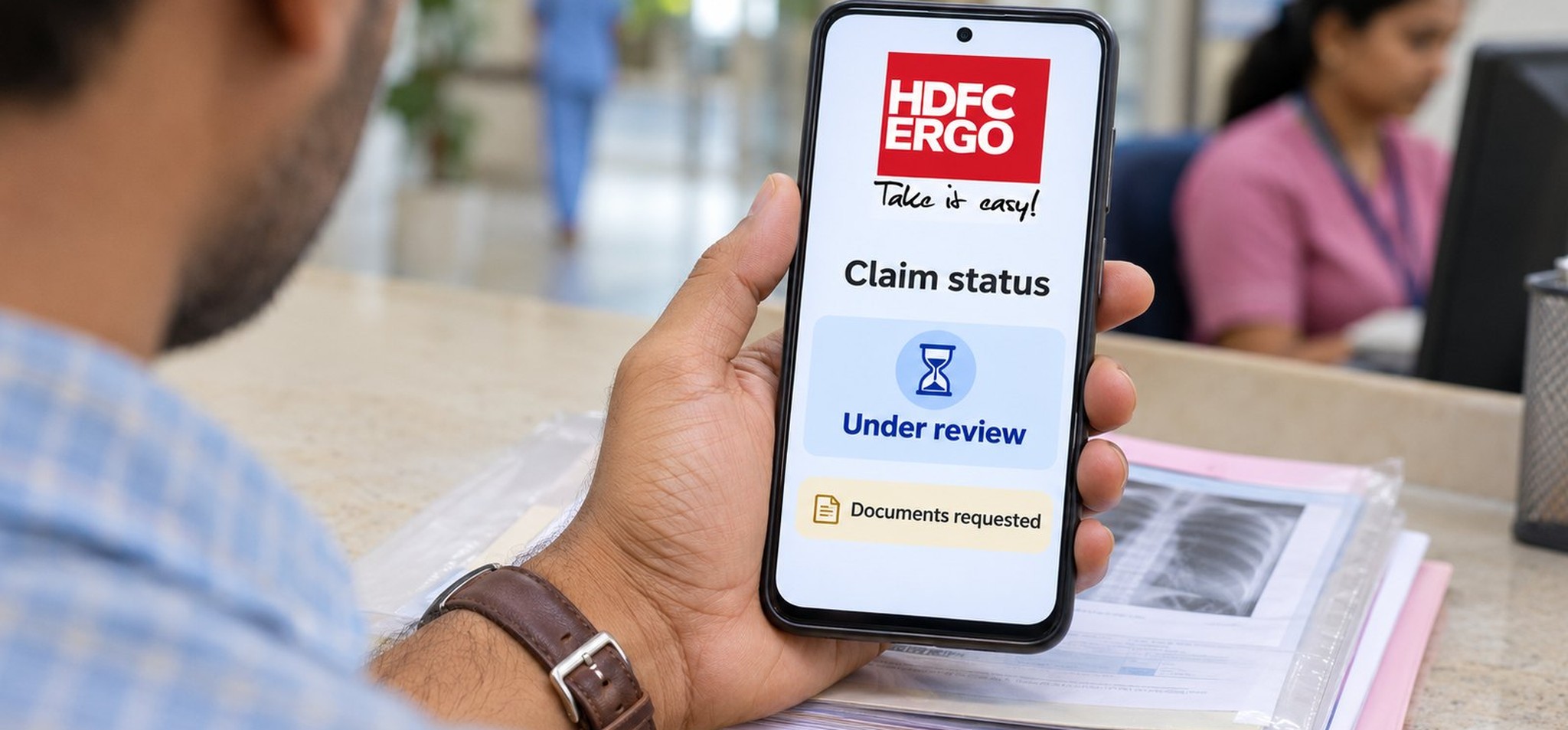
Submitting a health insurance claim does not mean it has been approved. The insurer must check the treatment details, policy coverage and amount payable. Claims move faster when hospital records are complete, and the information is clear. Missing reports, unclear bills or unanswered questions can slow the process.
Whether you have requested cashless treatment or reimbursement, understanding what happens after submission helps you track progress, respond to queries, follow up when needed and avoid unnecessary delays throughout the claim process.
A Submitted Claim Is Not Always a Complete Claim
Once a health insurance claim is registered, the insurer checks the information received from the hospital or policyholder. The claim number confirms that the request has entered the system, not that every detail has been verified.
For example, a hospital may send the final bill but leave out the discharge summary. The insurer then needs that record before deciding which expenses are eligible. The claim stays open until the missing information is received and reviewed.
The Claim Type Changes How the Process Works
Cashless claims: The hospital's insurance desk communicates with the insurer or its third-party administrator (TPA). Under HDFC ERGO's my Secure, the network hospital submits a pre-authorisation request along with the patient's medical details for verification.
At discharge, the insurer reviews the final hospital bill and settles approved expenses directly with the hospital, subject to policy terms and conditions. Missing documents or pending hospital updates can delay approval.
Reimbursement claims: You pay the hospital and request repayment for eligible expenses. The insurer reviews proof of payment and treatment records. Missing receipts, unclear bills or bank details can hold up settlement.
A cashless approval is not the same as final payment. Likewise, a reimbursement acknowledgement does not mean the claim amount has been approved.
Medical Records Must Explain the Treatment
Insurers need to understand why hospitalisation was necessary and what treatment the patient received. Doctors' notes, test results and discharge summaries should clearly support the hospital bill.
This becomes particularly important for older patients with existing medical conditions. Even the best health insurance for senior citizens in India cannot prevent claim delays when important medical records are missing or incomplete.
For example, if an elderly patient is admitted due to heart problems, the insurer may need previous medical reports to understand the condition. Providing these records promptly can help avoid unnecessary delays in claim settlement.
Policy Terms Affect the Amount Approved
The insurer must check the bill against the cover purchased.
This review may involve:
- Waiting periods: Whether the condition or treatment is already eligible.
- Exclusions: Whether the policy excludes an expense.
- Room limits: Whether the room chosen affects the payable amount.
- Co-payment: Whether you must bear part of an approved bill.
- Treatment limits: Whether a procedure has a specific payment cap.
These checks may take additional time when the bill includes items that need separate review. They also explain why the approved amount may differ from the hospital's total bill.
Unanswered Questions Can Hold Up the File
The insurer may ask the hospital for a corrected bill, a doctor's explanation or supporting reports. If the reply is incomplete, you may need to ask for another clarification.
Ask exactly what information is outstanding and who must provide it. For cashless treatment, speak with the hospital's insurance desk. For reimbursement, use the insurer's claim support channel. Keep a record of each request and reply so you do not miss the same issue again.
What You Can Do While Waiting
You cannot control every internal check, but you can keep the process moving:
- Save the claim reference number and acknowledgement.
- Check the claim status through the official support channel.
- Respond promptly if information is requested from you.
- Check whether the hospital has answered any pending queries.
- Ask for a written explanation if the approved amount changes.
Indian insurance rules require timely handling of claims and set expectations for cashless decisions. If there is an unexplained delay, raise a written complaint with the insurer. You can approach the insurance regulator's grievance channel if the issue remains unresolved.
Final Thoughts
The time taken to settle a health insurance claim depends on the claim type, medical documents, policy terms and pending verification. Submitting a claim is only the first step. Make sure all required records are complete and respond quickly to any queries. Regularly check the claim status and contact the insurer if there is an unexplained delay. Clear communication and accurate documents can help prevent unnecessary delays.
Previously in Business news: Car Insurance Claim Settlement Ratio: Why the Number Alone Cannot Predict Your Claim Experience







Comment