
Building Beyond the Boom: Dave Sabey on the Future of Data Centers

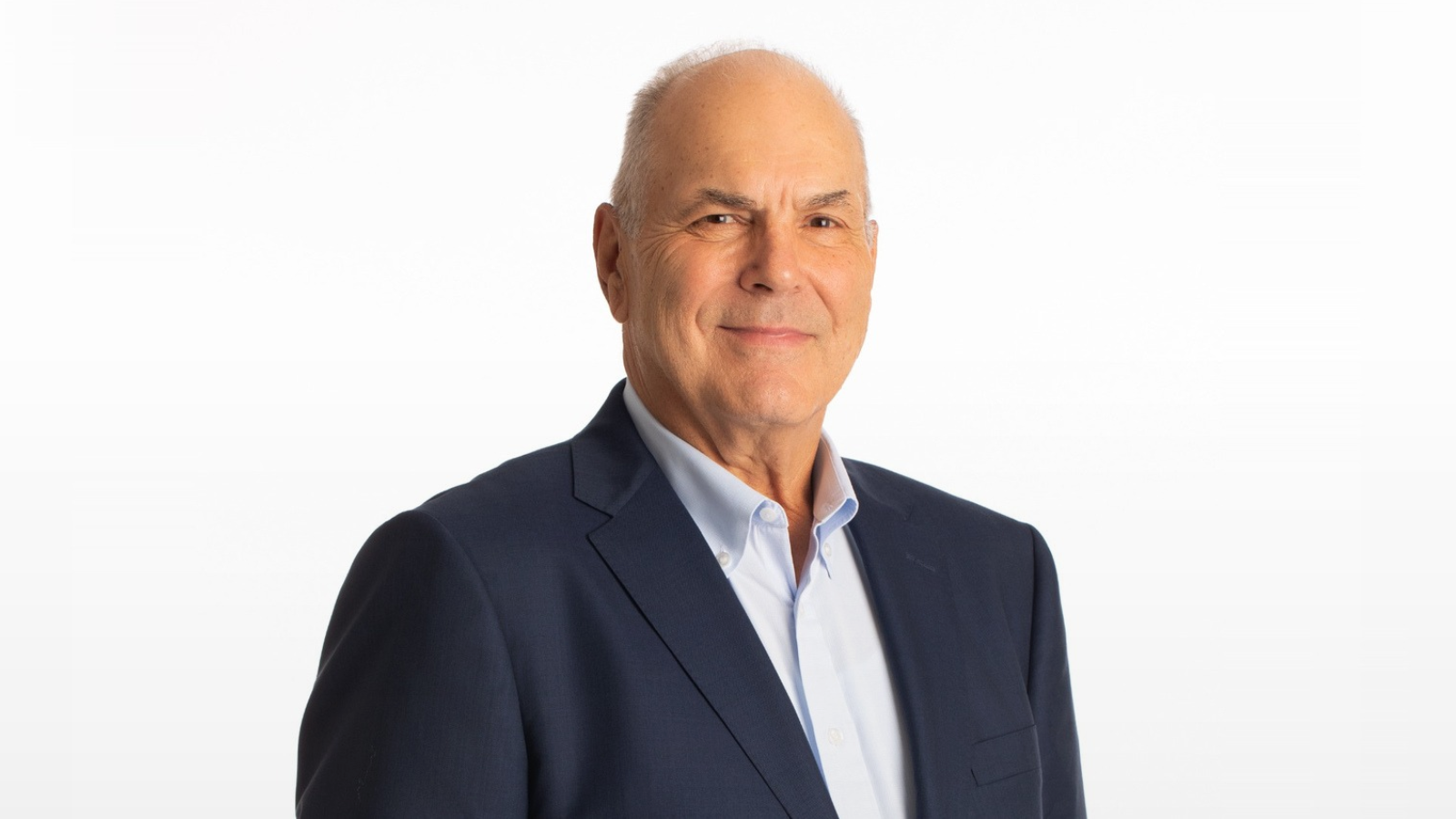
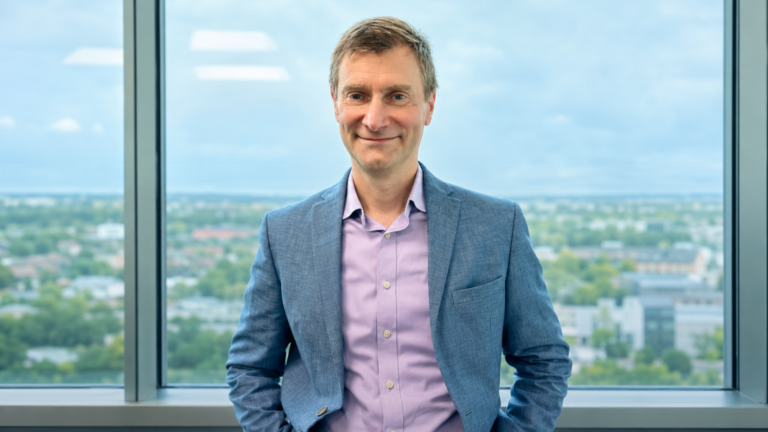
From clearing a path for teammates on the football field to spending more than 50 years building the infrastructure that powers the digital economy, Sabey founder and chairman Dave Sabey has always played the long game. In this exclusive TechBullion Interview, Dave shares his philosophy on anticipating technological change, engineering for tomorrow’s demand, and shaping an industry where businesses, people, and communities can win together.
1) After the midterms: Voters in several communities backed limits on new data centers in the midterms. Meanwhile, companies are asking for more computing capacity. What do those two signals tell you about where Sabey can grow over the next few years?
I’ve always believed that for a business to be successful over the long term, the community has to win, too. That’s not a new idea for us at Sabey, but I think it’s becoming one of the most important lessons for our entire industry.
We’re seeing tremendous demand for computing capacity. AI is accelerating that demand, and the infrastructure required to support it is becoming more important to our everyday lives. But at the same time, communities are asking some very reasonable questions. What does this mean for our electricity? Our water? Our neighborhoods? What are we getting out of it?
I don’t think those questions necessarily mean people are opposed to technology or economic development. I think they’re asking us to demonstrate that we’re going to be good neighbors. And that’s a fair expectation.
For years, our industry could largely rely on its track record. We’d build a facility, operate it responsibly, and let the results speak for themselves. But I don’t think that’s enough anymore. We have to do a better job of listening, explaining what we’re doing, and giving people an opportunity to see for themselves.
We recently had a situation in Indianapolis where residents had concerns about a proposed development. Rather than simply telling them what a good neighbor looks like, we organized a visit to Quincy, Washington, where we’ve operated data centers for years. We wanted them to see a facility, meet people in the community, and ask their own questions. I think there’s a lot more value in that kind of conversation than in any presentation we could put together.
We’re also looking at how we can contribute to the broader infrastructure that communities depend on. In Texas, for example, we recently entered a 10-year agreement supporting approximately 130 gigawatt-hours of solar generation annually. That electricity goes into the grid, where it can serve homes and businesses. We think making long-term commitments that support the energy system is an important part of being a responsible operator.
The other thing I think we need to recognize is that not all data centers are the same. They serve different purposes, use different technologies, and have different impacts on the communities around them. We ought to evaluate these projects based on what they’re actually going to do, rather than treating every data center as though it’s identical.
I don’t believe the winners in this industry will simply be the companies that build the most or build the fastest. I think they’ll be the ones that understand how to build something of lasting value, not just for their customers, but for the communities where they operate.
Because at the end of the day, if the community doesn’t win, we haven’t done our job.
2) A data center can be part of a town for decades. What does being a good neighbor look like ten years after opening day?
I think being a good neighbor is a lot like being a good business partner. You do what you say you’re going to do. You communicate. You listen. And you don’t disappear when the deal is done.
A data center might be part of a community for 20, 30, or 40 years. That’s a long relationship. And like any relationship, it requires work.
I’ve always thought there are a few basic rules: no surprises, no black boxes, no promises without someone responsible for keeping them, and no walking away from the conversation once a project is approved.
If somebody has a question about our operations, we ought to be able to give them a straightforward answer. If there’s a concern, we ought to listen and take it seriously. And if we make a commitment, somebody at Sabey needs to be accountable for following through.
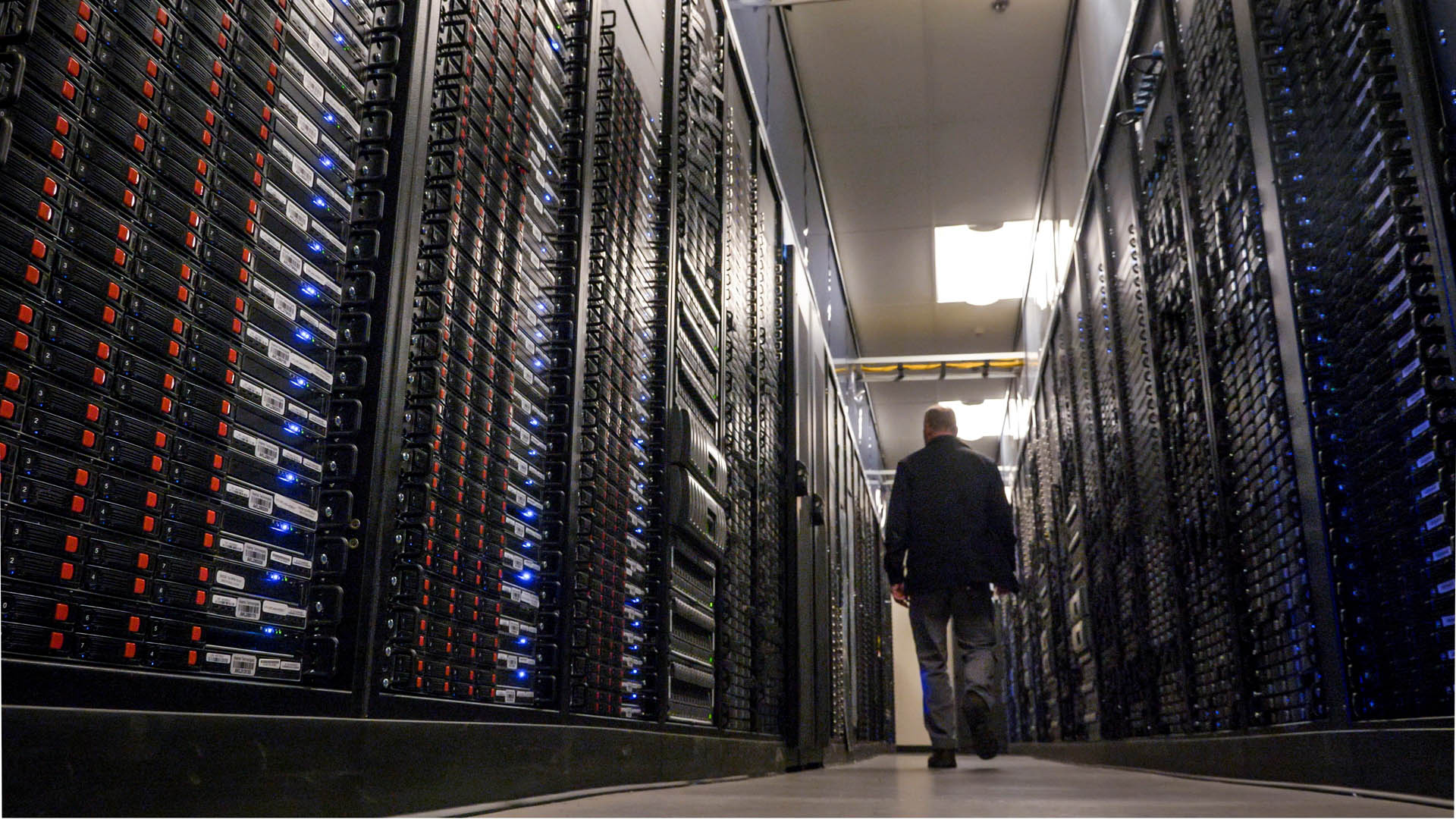
But I think the more important question is, what does that community need from us ten years down the road? Because it’s probably not going to be exactly what it needed when we first arrived.
One idea we’re pursuing is a public Facility Scorecard that would help communities better understand how our facilities are operating over time. We’re looking at information like water and energy use, emissions, backup generator operations, and noise. The idea is still being developed, but I think it’s a worthwhile direction.
People shouldn’t have to take our word for it that we’re operating responsibly. We ought to be willing to show them.
I’ve been in business long enough to know that trust isn’t something you establish once and then put on a shelf. You earn it through what you do, year after year. That’s what being a good neighbor means to me.
3) Who gets the bill? You’ve said in the podcast, “The community’s got to win.” When a new data center requires a substation and major upgrades to the local power grid, who pays for that infrastructure?
I think the answer is pretty straightforward. If we’re building a project that requires new electrical infrastructure, we ought to pay for the infrastructure that’s our responsibility. Why should somebody living down the street have to pick up that bill?
In Decatur Township, we’ve committed to covering 100% of the electrical infrastructure costs allocated to our project, including the new substation and related upgrades. Those are costs associated with our development, and we believe they belong with us, not with residential electricity customers.
Now, the electrical grid is a complicated system. Rates change for all kinds of reasons, and I don’t think anybody can honestly promise that electricity prices will never go up.
But what we can do is take ownership for the costs our projects create. And we can be clear about what we’re committing to, so people have a way to hold us accountable.
When I say the community has to win, I mean that. A successful project can’t just work for Sabey and our customers. It has to make sense for the people who live and work around it.
That’s how we’ve tried to build this business, and I think it’s how the industry needs to think about growth going forward.
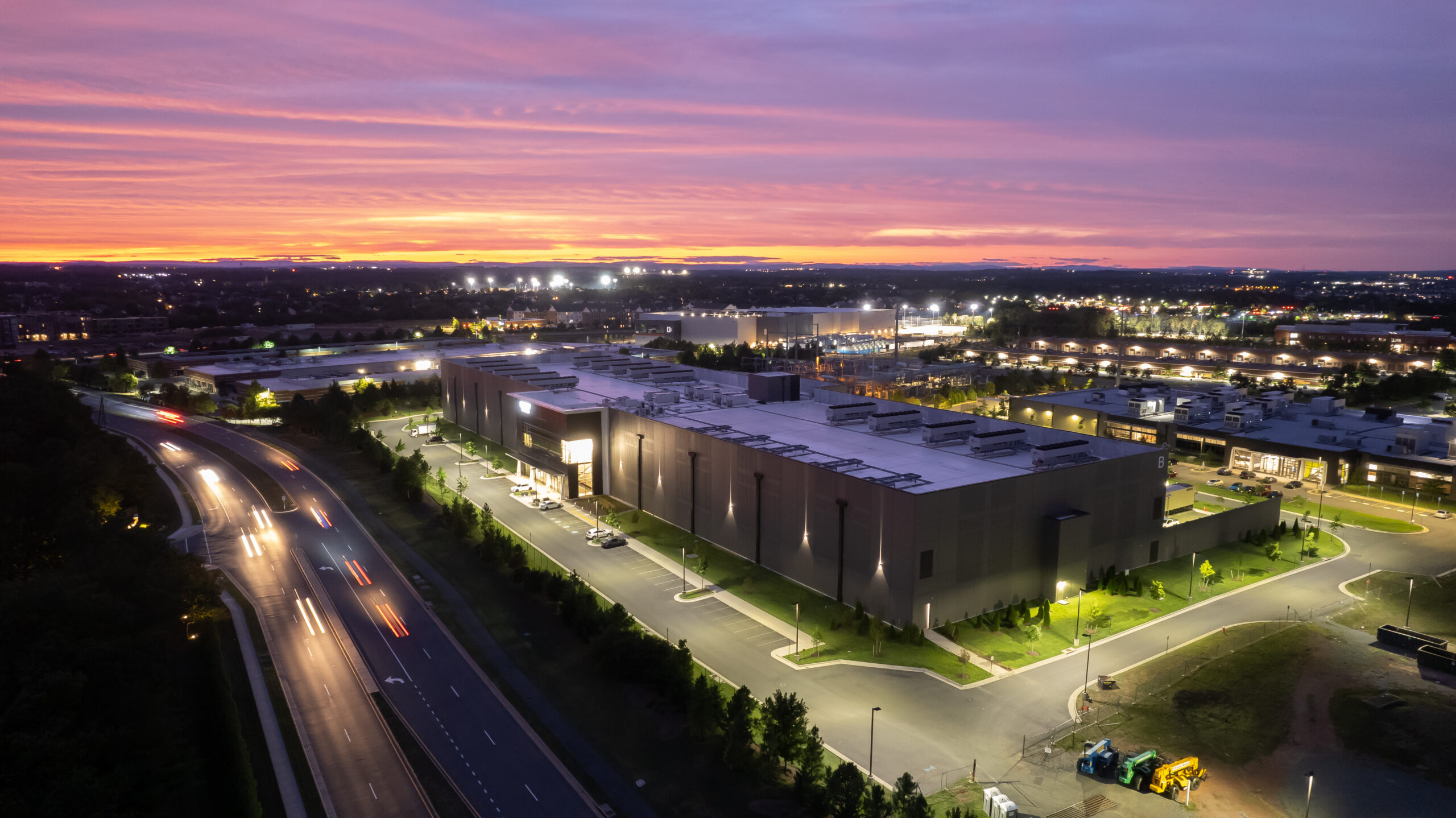
4) Building for what comes next: Looking back at Sabey’s experience over the years, what have been the biggest lessons in designing data centers?
One thing I’ve learned over the years is that whatever you think the future is going to look like, you’re probably going to be surprised.
When we first got into the data center business, we were building facilities around a very different set of customer requirements. Some of our early prototype buildings had about 7.2 megawatts of capacity, with individual data halls of roughly 1.8 megawatts. That was a good design for the enterprise customers we were serving at the time.
Then, around 2012 or 2013, cloud computing really started to take off. We could see something was changing, but I don’t think anybody fully appreciated how dramatically it would reshape the business.
Suddenly, those 1.8- or 2-megawatt data halls weren’t going to be enough. We started building 4, 6, and 9 megawatt halls. And now, with AI, we’re talking to customers who need 50 or even 100 megawatts at a time.
Think about that progression. The fundamental business is still providing reliable computing infrastructure, but the scale has changed enormously.
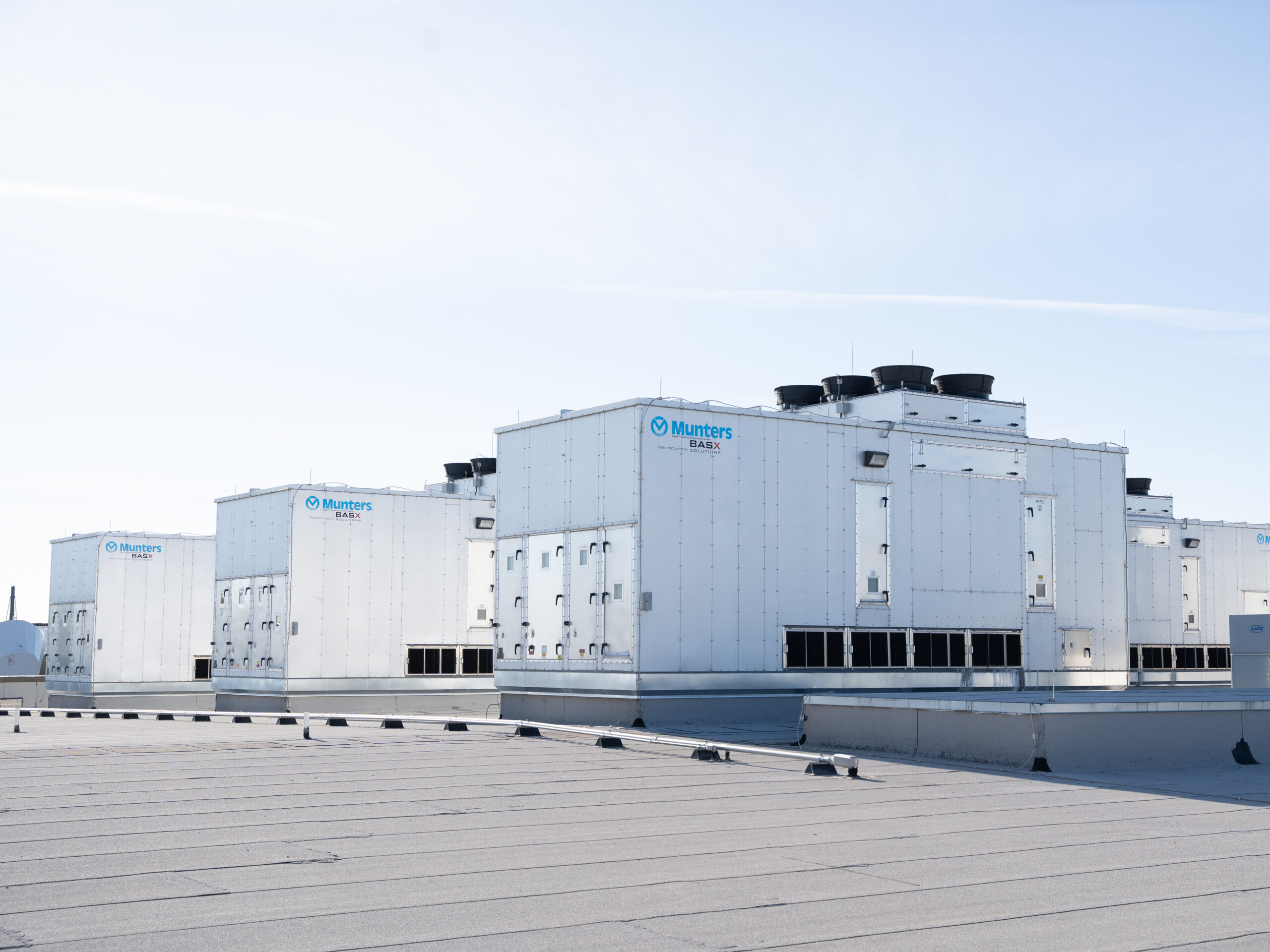
Cooling is another great example. We had a project originally designed around air-cooled chillers and a chilled-water loop. Our engineers recognized that liquid cooling was going to become increasingly important, so they added some flexibility to the system. They put in additional valves that would allow us to accommodate liquid cooling down the road.
Well, down the road arrived a little sooner than expected. That facility ended up being about 80% liquid-cooled.
I love that example because it illustrates something I’ve always believed about building a business: you have to give good people the freedom to think beyond the immediate problem. Our engineers weren’t just designing for what the customer needed that day. They were thinking about what might come next.
We’ve also learned how important it is to bring customers into that process early. These are complicated facilities, and they take years to develop. The more we understand about what our customers are trying to accomplish, the better we can design for their needs and avoid expensive changes later.
If there’s one lesson I’d take from all of this, it’s that you can’t design a business, or a building, around the assumption that nothing is going to change.
You have to build for what you know today, but leave yourself room to learn something tomorrow.
5) When the coach goes upstairs: You’ve said there’s no better feeling for a coach than watching his team win the Super Bowl from the box upstairs. When was it hard for you to go upstairs?
I think that’s one of the hardest lessons for anybody who’s built a business. You spend years making decisions, solving problems, and taking responsibility for everything. And then one day you realize that the best thing you can do for the company is to stop trying to do all of it yourself.
I learned something about that long before I started Sabey.
When I was young, I had a football coach named Lou Tyus. He saw something in me that I didn’t necessarily see in myself. He pushed me to think about what I was capable of becoming, and that had a tremendous impact on my life.
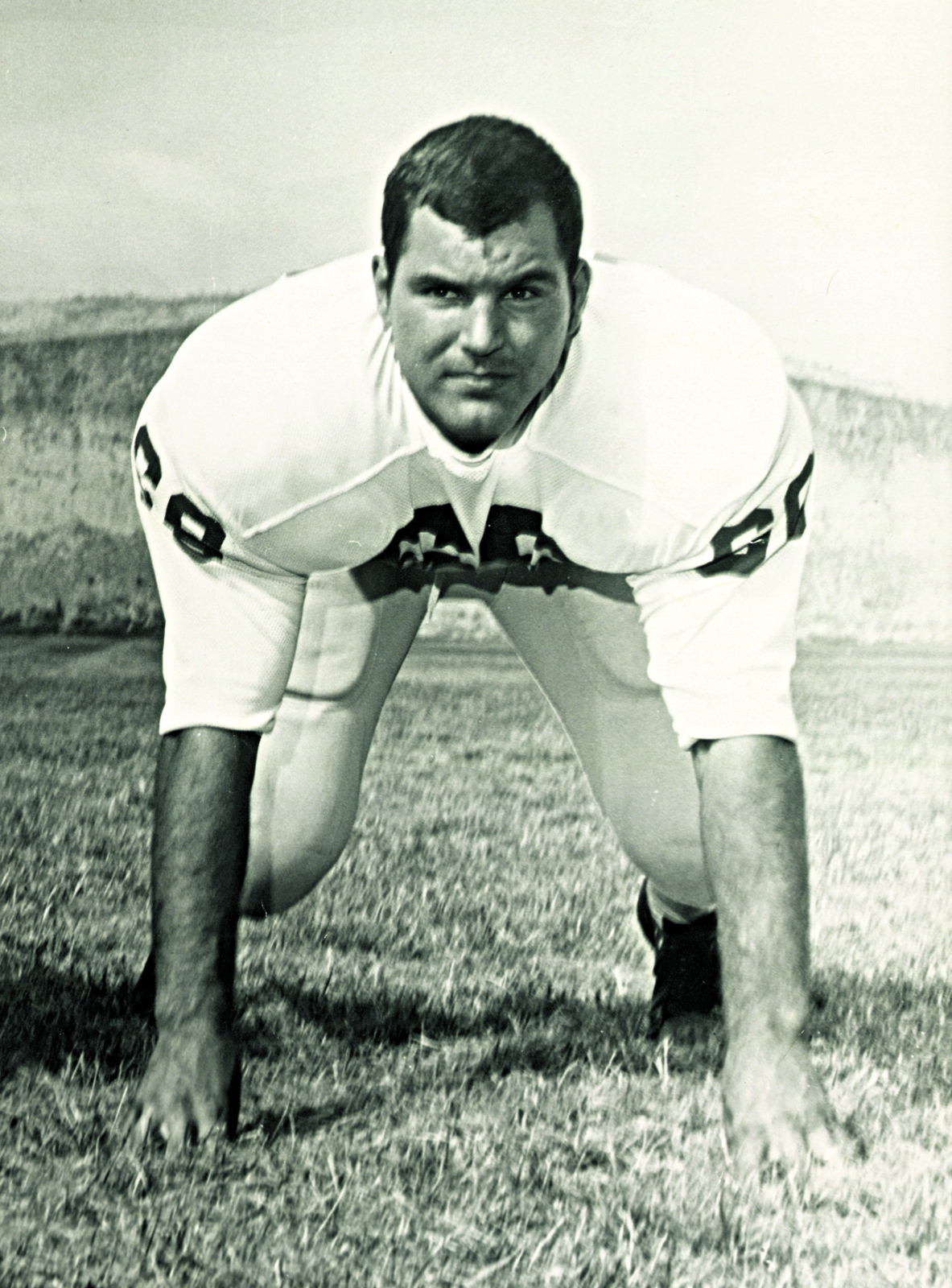
I’ve never forgotten that. A good coach doesn’t just tell you what play to run. He helps you discover what you’re capable of, gives you the tools to succeed, and then lets you go out and play the game.
That’s how I’ve tried to approach leadership.
Take Dale Spencer, for example. Dale oversees more than a billion dollars in construction projects for us. Now, I could spend my time looking over Dale’s shoulder, asking questions about every decision, telling him how I think things ought to be done. But what would that accomplish?
Dale knows more about those projects than I do. He’s closer to the work. He understands the technical challenges. So my job isn’t to tell Dale how to do his job. My job is to ask, “What do you need from me to be successful?”
That sounds simple, but when you’ve spent your life building something, it isn’t always easy.
You have to be willing to recognize that somebody else may know more than you do. And not just recognize it, but celebrate it. Because if you’ve built a team where everybody needs you to make every decision, you haven’t really built a very good team.
Now, that doesn’t mean we always agree. I like a good debate. If somebody thinks I’m wrong, I want to know why. Some of the best decisions we’ve made at Sabey have come from people challenging the way we were thinking about something.
Over time, we’ve brought in people with extraordinary experience and technical knowledge, people who are much better at their particular jobs than I could ever be. And that’s exactly what you want.
I think the real transition for a founder is understanding that your success is no longer measured by how many decisions you make. It’s measured by what the people around you are able to accomplish.
That’s what I mean about the coach going upstairs.
There’s no better feeling than watching your team win the Super Bowl, knowing you’ve done your job to help them get there. And the best part is, they’re the ones who get to celebrate on the field.
Previously in Executive Interviews: Brandon Diggs on how to generate cash flow using your Bitcoin and Ethereum






Comment