
How Digital Transformation Is Reshaping Hospital Management in Saudi Arabia

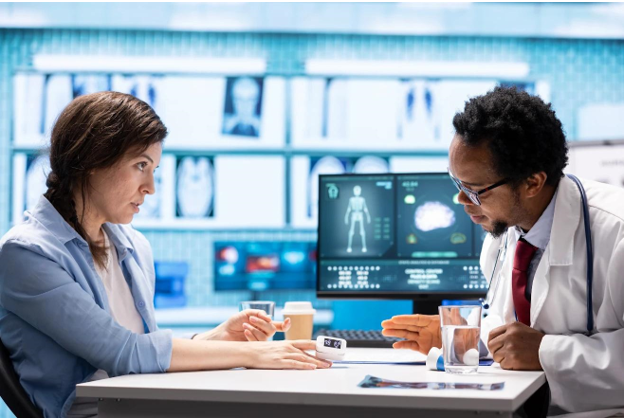
Introducing new technology requires planning beyond the initial implementation. Hospitals need to evaluate how a hospital management software solution will fit into their existing operations, support different departments and address their day-to-day requirements . Healthcare is becoming increasingly dependent on technology, and hospitals are experiencing this change across almost every department. From patient registration and medical records to laboratory reporting and billing, digital systems are changing how healthcare facilities manage their daily operations. Hospitals that once relied heavily on paperwork and separate departmental processes are now moving towards connected digital environments.
Saudi Arabia is also seeing significant changes in its healthcare sector. The country’s focus on healthcare development and digital transformation is encouraging healthcare providers to rethink how they manage patient information, coordinate departments and deliver services. As hospitals expand their operations and handle growing volumes of medical data, having reliable digital infrastructure is becoming increasingly important.
However, digital transformation is not simply about replacing paper records with computerised systems. It involves bringing different hospital functions together, improving communication between departments and making information easier to access when it is needed.
The Growing Need for Digital Transformation in Hospitals
Managing a hospital involves coordinating several activities at the same time. Patient appointments, admissions, consultations, diagnostic services, pharmacy operations, billing and discharge procedures all need to work together.
When these activities are managed through disconnected systems or manual processes, information can become difficult to track. Staff may need to enter the same details into multiple systems, while administrators may struggle to get a complete picture of hospital operations.
These challenges can affect both staff productivity and the patient experience.
Digital transformation helps address these issues by bringing essential hospital processes into a more organised environment. Instead of managing each department independently, healthcare facilities can use integrated systems to share relevant information and coordinate their activities.
For hospitals in Saudi Arabia, this approach can support more consistent workflows, better information management and improved operational visibility.
How Hospital Management Systems Connect Different Departments
One of the most important parts of hospital digitalisation is the adoption of an integrated hospital management system. It provides a central platform for managing different administrative and clinical activities within a healthcare facility.
Rather than depending on separate tools for appointments, admissions, billing and patient records, hospitals can manage these functions through connected modules.
For example, when a patient visits a hospital, the registration team records their information. The same information can then be made available to the relevant departments according to their access permissions. Doctors can review patient details, laboratory teams can manage diagnostic requests, and billing staff can handle the financial side of the visit.
This reduces the need for repeated data entry and makes it easier for departments to coordinate their work.
An integrated system can also help hospital administrators monitor operational activities, review reports and identify areas where processes may need improvement.
The real benefit comes from connecting these activities rather than simply digitising individual tasks.
Moving Beyond Paper-Based Patient Records with EMR
Patient information plays a central role in healthcare delivery. Doctors need access to medical histories, previous consultations, diagnoses, prescriptions and investigation results to make informed clinical decisions.
Maintaining these records manually can become difficult, particularly in hospitals that manage a large number of patients every day.
Electronic Medical Records (EMR) help healthcare facilities maintain patient information in a digital format. Authorised medical professionals can access relevant records without depending entirely on physical files.
EMR systems can also make it easier to review previous consultations, document treatment plans and maintain continuity of care.
For hospitals with multiple departments, the availability of updated patient information can help reduce communication gaps. It also supports better coordination between healthcare professionals involved in a patient’s treatment.
However, digitising medical records requires proper attention to data security, user permissions and information management. Hospitals must ensure that sensitive patient information is accessible only to authorised personnel.
Why Integration Between LIS, RIS and Other Hospital Modules Matters
A hospital does not operate through clinical consultations alone. Diagnostic departments, laboratories, radiology units and pharmacies all contribute to patient care.
When these departments use disconnected systems, exchanging information can become time-consuming. Staff may need to transfer reports manually or contact other departments to confirm the status of requests.
Integration between different hospital modules can make these processes more organised.
A Laboratory Information System (LIS) helps manage laboratory activities, including test requests, sample tracking and reporting. A Radiology Information System (RIS) supports radiology workflows, including examination scheduling and reporting.
When these systems are connected with the wider hospital infrastructure, relevant information can move more efficiently between departments.
For example, a doctor may request a laboratory investigation during a consultation. The laboratory team can process the request, update its status and make the results available through the connected system.
Similarly, radiology information can be linked with the patient’s medical record, helping doctors review relevant reports during treatment.
Such integration reduces dependency on manual coordination and helps departments work with more consistent information.
The Role of Hospital Data in Better Decision-Making
Hospitals generate a considerable amount of information through everyday activities. This includes patient registrations, admissions, discharge records, consultations, diagnostic reports, pharmacy transactions and financial operations.
When this information is properly organised, it can provide useful insights into hospital performance.
Management teams can use reports and dashboards to review patient volumes, department activity, bed occupancy, revenue patterns and other operational indicators.
For example, monitoring admission trends may help administrators understand changes in patient demand. Reviewing department-level activity can highlight areas where additional resources or workflow adjustments may be required.
Management Information Systems (MIS) and reporting tools make it easier to bring operational information together.
However, collecting data alone does not guarantee better decisions. Reports need to be accurate, relevant and available to the people responsible for managing hospital operations.
Hospitals should therefore focus on building reliable reporting processes rather than simply generating large volumes of data.
Data Security and Interoperability in Digital Healthcare
As hospitals move more of their operations online, protecting patient information becomes a major responsibility.
Medical records contain sensitive personal and clinical details. Unauthorised access, data loss and poor information management can create serious risks for healthcare organisations.
Digital hospital infrastructure should include appropriate access controls, user authentication, data backup procedures and security monitoring.
Different employees should have access to information based on their roles and responsibilities. For instance, a billing employee may need financial information, while a doctor requires access to relevant clinical records.
Interoperability is another important consideration. Hospitals often work with different medical systems, diagnostic equipment and external healthcare providers. These systems need suitable ways to exchange information without compromising data accuracy or security.
Healthcare organisations should consider integration capabilities when selecting new digital solutions. Choosing systems that can work with existing infrastructure can help avoid unnecessary operational complications later.
Supporting Saudi Arabia’s Changing Healthcare Landscape
Saudi Arabia’s healthcare sector is undergoing an important period of development. Healthcare transformation under Saudi Vision 2030 places emphasis on improving healthcare services, expanding access and making better use of digital technologies.
As healthcare facilities develop their infrastructure, integrated hospital systems can support the administrative and clinical processes required to manage modern healthcare operations.
For hospitals, this means looking beyond individual software applications and considering how different departments can work together.
A connected digital environment can help manage patient journeys, coordinate diagnostic services, maintain medical records and provide administrators with useful operational information.
Healthcare providers also need to consider their specific requirements before implementing any technology. The needs of a multi-specialty hospital may differ considerably from those of a smaller healthcare facility.
The selection of a suitable system should take into account scalability, integration capabilities, reporting requirements, data security and the ability to support existing workflows.
Technology providers such as Medinous contribute to this changing healthcare environment by offering integrated hospital information management solutions that address different operational and clinical requirements.
What Hospitals Should Consider Before Adopting Digital Systems
Introducing a new digital system requires planning beyond the initial software implementation. Hospitals should evaluate how the technology will fit into their existing operations and whether employees can use it effectively.
Some important considerations include:
Understanding operational requirements: Hospitals should identify the processes that need improvement before selecting a digital solution. This helps ensure that the chosen system addresses actual operational challenges.
Integration with existing systems: New technology should be capable of working with relevant hospital infrastructure wherever possible. This reduces the need for disconnected applications.
Staff training and adoption: Doctors, nurses, administrators and support teams need appropriate training. A system is only useful when employees understand how to use it in their daily work.
Scalability: Healthcare facilities should consider their future requirements, including additional departments, users, locations and services.
Security and compliance: Patient information must be handled responsibly, with suitable controls for access, storage and data protection.
Taking these factors into account can make digital adoption more practical and reduce difficulties during implementation.
Conclusion
Digital transformation is changing how hospitals manage their operations, coordinate departments and handle patient information. For healthcare providers in Saudi Arabia, integrated technology is becoming an important part of building efficient and connected healthcare environments.
The shift is not just about introducing new software. It is about making information more accessible, reducing unnecessary manual work and helping different departments function as part of a coordinated system.
Hospitals that approach digital transformation with clear operational goals, suitable technology and proper staff training will be better positioned to manage their changing requirements. As healthcare continues to evolve, connected digital infrastructure will remain an important part of how modern hospitals deliver and manage their services.
Read More From Techbullion
Previously in Business news: A Small-Batch PCB Assembly Quote Can Change Your Runway: Compare the Full Cost






Comment