
Commercial architects are rethinking heavy concrete planters for modern rooftops

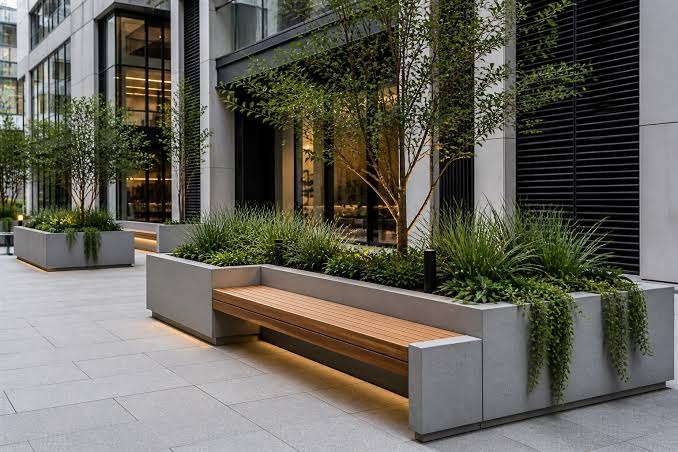
Architects and homeowners are shifting away from heavy stone toward durable composite planters. These modern vessels resist cracking through harsh freeze-thaw weather cycles.
When you design an urban rooftop, commercial terrace, or residential patio, adding greenery brings life to hard architectural lines. Still, traditional cast stone and poured concrete create major headaches once you move off solid ground. Heavy masonry vessels push elevated decks toward their dead-load limits and split apart after harsh winters.
You no longer have to trade structural safety for bold outdoor style. Modern material engineering gives your projects the visual weight of natural stone while protecting your slabs, budgets, and maintenance schedules.
Why Do Heavy Concrete Planters Strain Modern Rooftop Decks?
Concrete looks timeless at street level, but its massive dead weight creates immediate engineering hurdles on elevated structures. Once you fill a thick masonry box with wet soil, drainage gravel, and shrubs, that single planter puts immense downward pressure on a small footprint.
Architectural guidance from Re-Thinking The Future points out that planters concentrate heavy loads directly beneath their base, forcing engineers to dictate where large elements can sit before you finalize a terrace layout. Working around structural beams often shrinks your planting zones and limits where guests gather.
Older buildings and residential retrofits face tighter margins because existing roof joists rarely carry spare capacity for tons of masonry. Specifying heavy stone often forces costly steel reinforcement or compromises your original design.
How Can You Balance Greenery Goals With Strict Load Limits?
Smart rooftop specification starts with calculating total wet weight rather than judging an empty pot on a showroom floor. Every pound you save on the vessel itself frees up capacity for deeper root zones, irrigation lines, and seating areas.
According to the U.S. Environmental Protection Agency, shallow green roof assemblies with 2 to 4 inches of growing medium need minimal extra structural support because they keep overall weight low. Applying that weight-conscious mindset to standalone planters lets you build layered rooftop gardens without overloading the deck.
Planning Weight Distribution Across Elevated Slabs
You can spread weight safely across structural columns by grouping lighter vessels in balanced clusters. Placing larger focal trees directly over load-bearing walls keeps mid-span deflection well within safe engineering limits.
How Do Composite Materials Simplify Durability and Installation Logistics?
Moving solid concrete vessels onto a 6th-floor terrace often requires renting cranes, closing city sidewalks, and hiring extra rigging crews. By switching to lightweight composite containers for your rooftop build, your installation team can carry large planters through standard service elevators without heavy machinery. You cut labor hours on delivery day while protecting roof membranes from accidental scrapes and impact damage. That smoother workflow keeps your construction schedule on track from staging to final planting.
Beyond easier transport, fiberglass composites deliver a high strength-to-weight ratio that holds up under daily commercial foot traffic. Your planters resist dents, chips, and structural bowing even when filled with dense soil and mature evergreens.
What Causes Cast Stone to Crack During Winter Freeze-Thaw Cycles?
Even when a roof slab supports heavy masonry, winter weather slowly destroys porous concrete from the inside out. Cast stone contains thousands of tiny air pockets and hairline channels that act like a rigid sponge during autumn rainstorms.
The Physics of Moisture Expansion
When freezing temperatures hit overnight, trapped water inside concrete walls turns to ice and expands by roughly 9 percent. That outward pressure pushes against rigid masonry fibers that cannot flex.
Detecting Early Surface Spalling
Repeated freezing and thawing widens internal fractures until the outer concrete face begins flaking away. Once water reaches internal steel rebar, rust forms and splits the planter wall open.
How Does Non-Porous Engineering Stop Seasonal Weather Damage?
Modern fiberglass composites eliminate freeze-thaw failure by sealing out water before it enters the planter wall. Manufacturers layer woven glass fibers with marine-grade resins and UV-stabilized finishes to create a non-porous barrier.
Rainwater and melting snow bead up on the sealed exterior rather than soaking into the structure. You gain year-round reliability in northern climates where temperatures swing above and below freezing dozens of times each winter.
- Block moisture intrusion: Sealed resin walls prevent water absorption so sub-zero temperatures never trigger internal ice expansion.
- Protect exterior finishes: UV-resistant topcoats stop harsh summer sunlight from fading charcoal, bronze, or crisp white surfaces.
- Prevent soil shock: Insulated composite walls buffer tender plant roots against sudden overnight temperature drops on windy rooftops.
Can Composite Planters Match the Look of Natural Stone and Metal?
Early plastic pots looked glossy and artificial, making designers hesitant to specify synthetic materials on upscale projects. Today, artisan finishing techniques replicate the raw texture of weathered limestone, cast concrete, and patinated bronze with remarkable realism.
You can select matte mineral textures that diffuse bright rooftop glare or sleek satin finishes that complement glass curtain walls. Because pigments bond directly into the resin and topcoat layers, minor scuffs stay virtually invisible over years of public use.
How Do You Design Seamless Indoor-Outdoor Transitions With Modern Vessels?
Contemporary commercial lobbies and penthouse residences frequently blur the boundary between interior lounges and exterior terraces. Using matching composite vessels across both zones creates visual continuity that draws visitors toward outdoor views.
Because these planters weigh a fraction of cast stone, your facilities team can rearrange layouts for private events or seasonal updates without straining their backs. You maintain a cohesive design language from interior elevator lobbies out to the perimeter parapet.
- Match interior palettes: Specify identical custom color codes for indoor atrium planters and exterior terrace borders.
- Customize drainage setups: Keep interior floors dry with sealed bases while drilling drainage holes for outdoor rainwater runoff.
- Frame sightlines cleanly: Use tall rectangular troughs to divide dining patios without blocking views of the city skyline.
What Should You Check Before Specifying Planters for Commercial Projects?
Selecting the right composite vessel comes down to verifying wall thickness, internal bracing, and wind-load stability. High-altitude terraces experience strong gusts, so tall planters benefit from concealed ballast compartments or wide bases that anchor plants securely.
Ask your supplier for commercial wall-thickness specs and integrated drainage options before approving final shop drawings. Confirming these technical details early protects your waterproofing warranty and keeps maintenance predictable.
Modern rooftop architecture rewards smart engineering over sheer masonry mass. When you prioritize high strength-to-weight ratios and non-porous weather resistance, you free your designs from structural compromises and recurring winter repair bills. Choosing composite planters lets you build thriving elevated spaces that stay safe, adaptable, and visually sharp through every season.
Previously in Lending: December 2026’s 10 Best Rated Online Business Lenders for Fast Funding







Comment