
Boosting Precision, Hygiene, and Efficiency in Dairy Farming

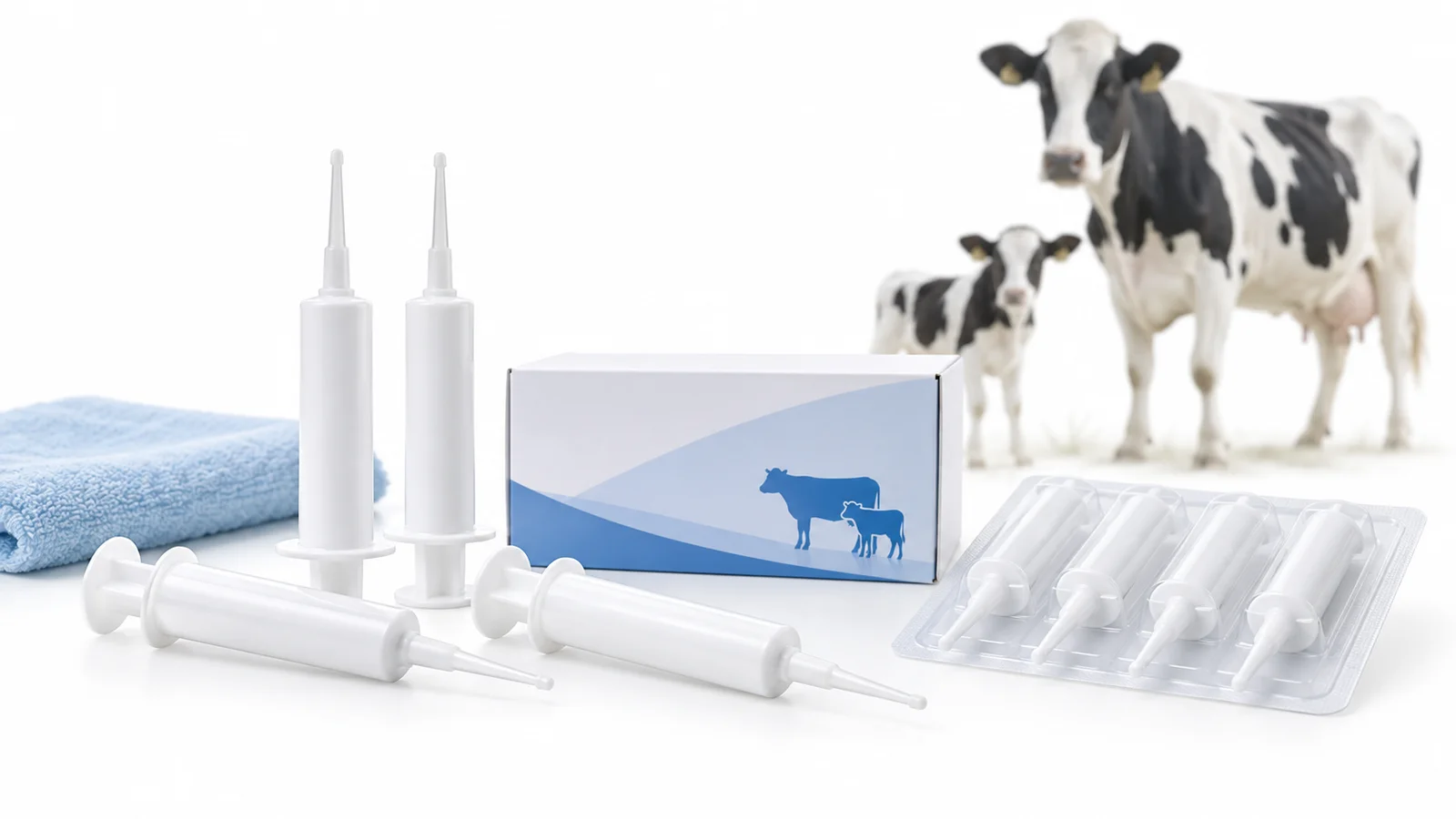
What Is an Intramammary Syringe Filling Machine and Its Critical Role
When it comes to dairy cow health, mastitis stands as one of the most costly and prevalent challenges for farmers worldwide. This bacterial infection of the udder not only reduces milk yield by up to 20% per affected cow but also increases the risk of antibiotic residues in milk, leading to regulatory fines and market rejection. For decades, farmers relied on manual filling of intramammary syringes—small, pre-loaded devices that deliver medication directly into the cow’s teat canal. But manual methods come with inherent flaws: human error often leads to inconsistent doses (either too little to treat infection or too much to cause residues), cross-contamination from hand contact with syringe tips, and slow throughput that strains labor resources. An intramammary syringe filling machine solves these problems by automating the entire filling process, ensuring standardized doses, sterile handling, and faster operation. Unlike manual tools, these machines are designed exclusively for the unique needs of intramammary therapy, where precision and hygiene are non-negotiable. They eliminate the guesswork of manual loading, making it easier for even small-scale farmers to deliver consistent care to their herds. Many farmers don’t realize that a single machine can cut mastitis treatment costs by 30% or more, thanks to reduced waste and better treatment success rates.
Key Technical Features That Define a High-Performing Machine
A top-tier intramammary syringe filling machine isn’t just a simple dispenser—it’s a precision-engineered tool with features tailored to livestock healthcare. First, dose accuracy is paramount; leading models use piston-driven filling systems paired with high-resolution optical sensors that measure the exact volume of medication, reducing dose variation to less than 0.5%. This level of consistency ensures that every cow receives the correct amount of antibiotics or anti-inflammatory drugs, maximizing treatment success rates and minimizing residue risks. Second, sterile design is critical: all parts that come into contact with medication are made of food-grade, corrosion-resistant stainless steel, and the machine operates in a closed system that prevents airborne contaminants from entering the syringe. Many models also support automatic tip sterilization, using UV light or chemical disinfection between uses to eliminate cross-contamination between cows. Third, modular flexibility allows farmers to adapt the machine to different syringe sizes—from 10ml to 50ml, depending on the cow’s age and weight—without needing to purchase additional equipment. Speed is another key feature: high-end machines can fill up to 1,200 syringes per hour, compared to just 150 to 200 per hour for manual filling, cutting labor time significantly. Some advanced models even integrate with farm management software, tracking each cow’s treatment history, dose administered, and date of injection, making it easy for veterinarians to monitor herd health over time.
Real-World Case Studies: Impact on Dairy Farm Operations
To understand the tangible benefits of intramammary syringe filling machines, look at two real farm examples from North America and Europe. In 2022, Maplewood Dairy, a 180-head family-owned dairy farm in central Wisconsin, switched from manual filling to the Model 700 intramammary filling machine. Before the switch, the farm reported a 35% mastitis recurrence rate, with 20 to 25 cows needing repeat treatment each month. Manual filling errors were to blame: on average, 12% of doses were either under-filled or over-filled, leading to either failed treatment or antibiotic residues in milk. After adopting the machine, dose accuracy jumped to 99.8%, and mastitis recurrence dropped by 22% within six months. The farm also cut labor time spent on intramammary therapy by 40%—from 12 hours per week to just 7 hours—freeing up time for other herd management tasks. Another case comes from a 250-head organic dairy farm in the Netherlands, which faced strict EU organic regulations requiring zero cross-contamination in medical treatments. The farm initially struggled to meet these standards with manual methods, as hand contact often introduced bacteria into syringes. After installing a sterile filling machine, they passed their organic certification audit with no issues, reducing antibiotic use by 18% because treatment success rates improved. Both farms saw a direct return on investment within 18 months, thanks to lower treatment costs, reduced milk loss, and compliance savings. For small farms, this ROI is a game-changer, as it turns a major expense into a long-term investment in herd health.
Maintenance and Hygiene Protocols for Longevity and Safety
While intramammary syringe filling machines are built for durability, proper maintenance is essential to keep them running efficiently and safely. Daily cleaning is the first step: after each use, all removable parts (piston, nozzle, syringe holder) must be disassembled and washed with warm, food-grade detergent, then rinsed thoroughly to remove any medication residue. Many models are compatible with automatic dishwashers, but manual cleaning is often more thorough for small farms with limited access to industrial equipment. Weekly checks include inspecting the piston for wear, calibrating the optical sensors to ensure dose accuracy, and testing the sterilization system (if equipped) to confirm it works. Monthly deep maintenance involves disassembling the entire machine, sterilizing all internal components with a high-temperature autoclave (where possible), and lubricating moving parts with food-grade lubricant to prevent friction and extend lifespan. It’s also important to keep a maintenance log, tracking each cleaning and check to catch issues early—for example, a 2023 study by the American Dairy Association found that 60% of machine breakdowns were due to missed calibration or cleaning. Beyond maintenance, hygiene protocols for operators are key: each cow should get a new, sterile syringe tip, and operators must wash their hands before handling the machine to avoid introducing bacteria. Proper maintenance not only prevents machine failures but also ensures that treatments remain effective, protecting both cow health and milk quality. Skipping maintenance can lead to dose errors, which not only waste medication but also risk harming the cow or contaminating milk.
Future Trends in Intramammary Filling Technology
The intramammary syringe filling machine industry is evolving rapidly, with new technologies set to transform livestock healthcare in the next few years. One of the most exciting trends is the integration of AI and wearable sensor data: prototype machines now exist that can analyze a cow’s udder temperature, milk somatic cell count, and activity levels to determine if treatment is needed, automatically adjusting the dose or even triggering a fill without manual input. This will reduce unnecessary antibiotic use, which is a top priority for sustainable dairy farming. Another trend is the shift toward eco-friendly materials: manufacturers are developing biodegradable syringe tips made from plant-based plastics, reducing plastic waste from farm operations. Portable, battery-powered machines are also emerging, making the technology accessible to small-scale or mobile farms that don’t have fixed workspace for large equipment. Remote monitoring is another innovation: farmers and veterinarians can now access real-time data from the machine via a mobile app, tracking fill rates, dose accuracy, and maintenance needs without being on-site. By 2027, industry experts predict that 70% of dairy farms with 50+ cows will use automated filling machines, up from 35% in 2023. These trends will not only improve efficiency and hygiene but also make intramammary therapy more sustainable and accessible to all types of livestock operations. For farmers, this means lower costs, better health outcomes for their cows, and a smaller environmental footprint—all key to thriving in the modern dairy industry.







Comment