
From Flight Lines to Fab Floors: TSMC Arizona Opens a Hiring Track for Veterans
From Flight Lines to Fab Floors: TSMC Arizona Opens a Hiring — Written procedures, sophisticated machinery, and operations that run around the clock: TSMC Arizona describes the core of military technical work in nearly the same terms it use

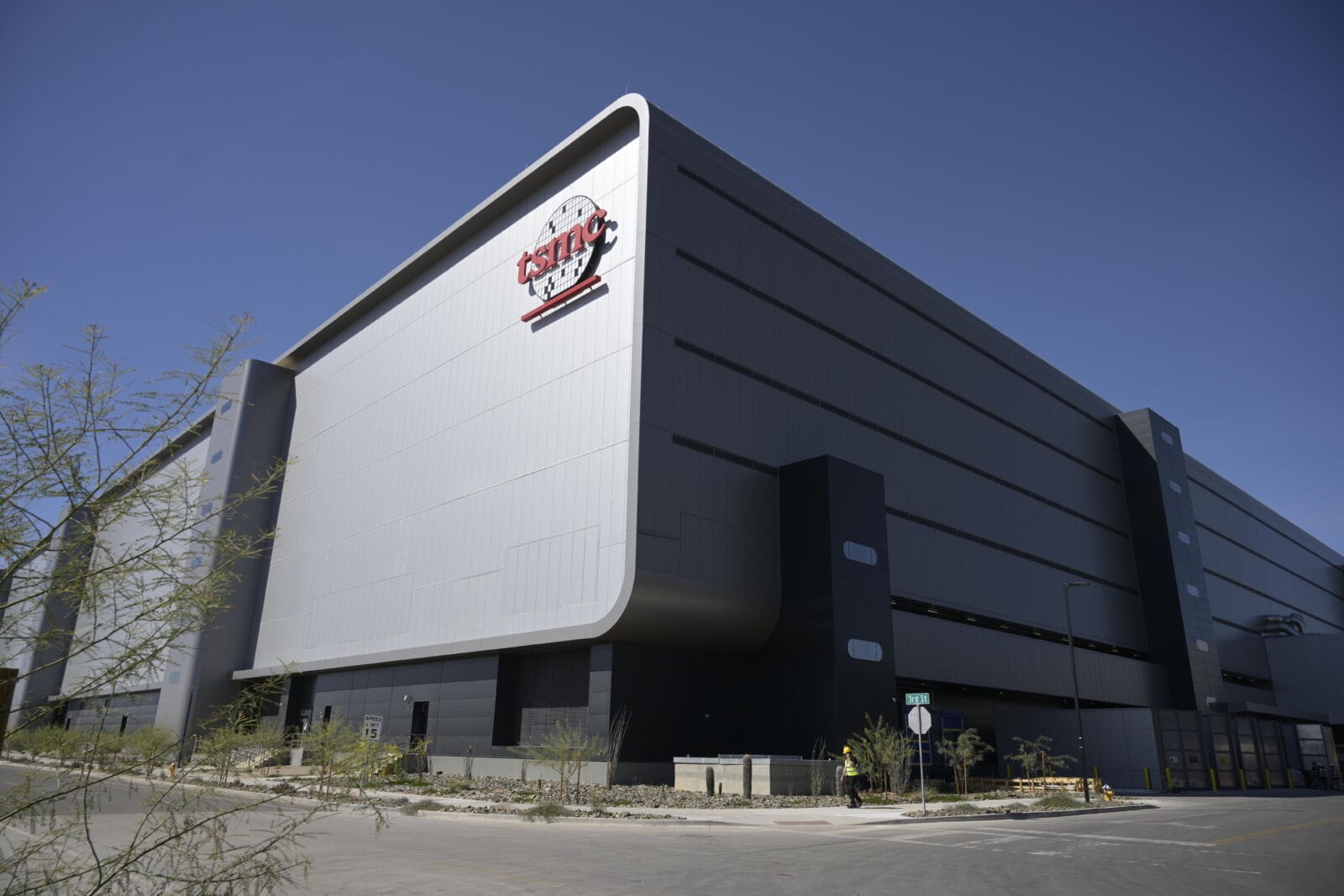
From Flight Lines to Fab Floors: TSMC Arizona Opens a Hiring — Written procedures, sophisticated machinery, and operations that run around the clock: TSMC Arizona describes the core of military technical work in nearly the same terms it uses for its own fab floors. On Saturday, Oct. 3, the chipmaker tested that comparison in front of its hiring managers.
TSMC Arizona hosted an invite-only onsite hiring event in north Phoenix for U.S. military veterans and service members, organized with the Arizona Coalition for Military Families. According to the coalition’s event listing, the day included full-time, contract, and SkillBridge opportunities, and candidates did not need prior semiconductor experience. Selected applicants received a specific interview timeslot rather than an open door, a format closer to a compressed hiring process than a career fair.
Over 150 Veterans interviewed for technician, engineer, and business operation roles at TSMC Arizona’s Veterans hiring event. Technician offers were made on the spot. Additionally, many qualified candidates advanced to the next round of interviews for other positions within the company.
From Flight Lines to Fab Floors: TSMC Arizona Opens a Hiring: Hiring at scale
Headcount drives the outreach. TSMC Arizona employs more than 3,500 people at its north Phoenix site and plans to hire roughly 2,500 more, Robert Sobeski, a process integration engineer who chairs the company’s Veteran Employee Resource Group, told ABC15 Arizona. Company recruiting materials tie that figure to the engineers and technicians needed to operate the first three fabs by 2030, and this year’s hiring plan covers hundreds of both.
Construction keeps adding to the demand. TSMC raised its planned Arizona spending this summer to a record $265 billion, and each new facility on the campus will need people to run, maintain, and monitor its tools.
Arizona is competing for that talent alongside every other U.S. chip region. A 2023 study by the Semiconductor Industry Association and Oxford Economics projected that 67,000 technician, engineering, and computer science jobs in the domestic semiconductor industry could go unfilled by 2030. Technician occupations accounted for about 26,400 of those positions, or 39 percent of the projected gap.
Where military skills land
TSMC Arizona sorts most of its technician work into a few lanes. Equipment technicians and manufacturing technicians troubleshoot and repair the machines that make chips. Process technicians use computers to monitor those machines. Engineers, by contrast, design and optimize the manufacturing process itself, and together the two groups maintain the precision the company’s production depends on.
Fabs do not close at night, and TSMC Arizona points to that schedule as part of the fit. Veterans, the company says, arrive with experience handling sophisticated equipment and following precise operating procedures in a 24/7 environment, the same conditions its technicians work under on the production floor.
Sobeski’s interview with ABC15 mapped specific military backgrounds onto those lanes. Veterans who maintained systems in uniform may suit equipment technician jobs, he said, while electronics and technology specialists could fit engineering technician roles. Logistics experience points toward operations and supply chain positions. Service members who led squads or crews bring skills that carry over to project management and process work.
“The military talent pool is an excellent pool where the skills translate well,” Sobeski said.
Federal labor data shows how much of the veteran workforce already does comparable work. Employed veterans were more than twice as likely as nonveterans to hold installation, maintenance, and repair jobs in 2025, at 6.8 percent compared with 2.9 percent, according to the Bureau of Labor Statistics’ annual veterans report. Manufacturing employed 12 percent of working veterans, against 9 percent of nonveterans. Post-9/11 service members, the largest group of U.S. veterans at 5.6 million people, posted a 3.6 percent unemployment rate for the year.
State figures sharpen the local picture. BLS estimated that Arizona was home to 513,000 civilian veterans age 18 and older in 2025, and their unemployment rate averaged 4.9 percent, above the 4 percent rate for the state’s nonveterans. Nationally, the pattern ran the other way: 3.5 percent for veterans versus 4.2 percent for nonveterans. State estimates from the household survey carry wider margins of error, but the numbers point to a pool of trained Arizona veterans still searching for the right civilian match.
A vocabulary gap, not a skills gap
Military job codes and civilian job titles rarely line up, and qualified candidates can rule themselves out before applying. TSMC Arizona says events like the Oct. 3 session help veterans recognize that they already hold the skills its technician roles require. Applicants complete a short questionnaire and submit a resume, and the company asks them to list both education and military experience so recruiters can place them in a suitable position, per its event posting.
Much of the translation happens through the coalition. Veterans who finish the prescreening questionnaire are paired with a career professional who helps identify positions that fit their background, ABC15 reported, and resource specialists from the coalition will be on-site alongside TSMC Arizona recruiters. The coalition’s statewide reach extends well beyond one employer: the organization has trained more than 6,500 resource navigators across Arizona, and more than 150 public and private employers have earned the Arizona Veteran Supportive Employer designation, according to the Arizona Coalition for Military Families.
That partnership has a track record. TSMC Arizona received the coalition’s Honoring Exceptional Service Award at its 2026 statewide symposium, the Daily Independent reported.
Degree requirements form the other common barrier. Technician positions require neither a college degree nor direct industry experience; TSMC Arizona hires technicians on skill set and trains them on the job. Engineering roles generally do call for a degree, Sobeski told ABC15, which leaves the technician track as the most direct entry point for many enlisted veterans.
Training before and after separation
Active-duty troops have a way in before they leave the service. The Defense Department’s SkillBridge program allows transitioning service members to spend up to their last 180 days of service in civilian industry training, apprenticeships, or internships while keeping their military pay and benefits, once their commander provides written approval. TSMC Arizona participates as a SkillBridge partner, and its posting notes that participants receive no TSMC compensation because they remain on military pay.
Guard and Reserve members fit the same profile. TSMC Arizona names reservists alongside veterans in its recruiting outreach, and BLS data show that about 2 million post-9/11 veterans, more than a third of that cohort, were current or past members of the Reserve or National Guard in 2025.
Rebuilding the unit
Leaving the military often means leaving a built-in community, and TSMC Arizona has set up structures to replace part of it. The company says every employee is assigned a TSMC mentor for on-the-job support. A Veteran Employee Resource Group connects former service members with one another and helps them work through veteran-specific issues, including relocation and benefits, according to ABC15.
Sobeski, an Army veteran, told the station that many service members fear losing both camaraderie and a sense of purpose after discharge, and that he sees TSMC Arizona as a place to find both. Company recruiters say veterans are especially drawn to the global impact of the technologies made in North Phoenix and to taking part in an investment of this size.
How to apply
The technician openings are not limited to veterans. Arizonans with experience operating machinery, following standard procedures, or monitoring systems can review entry routes and current openings through the company’s technician pathways portal.
For more coverage on this topic, see Techbullion.







Comment