
Choosing Portable Curb Ramps for Different Accessibility Needs

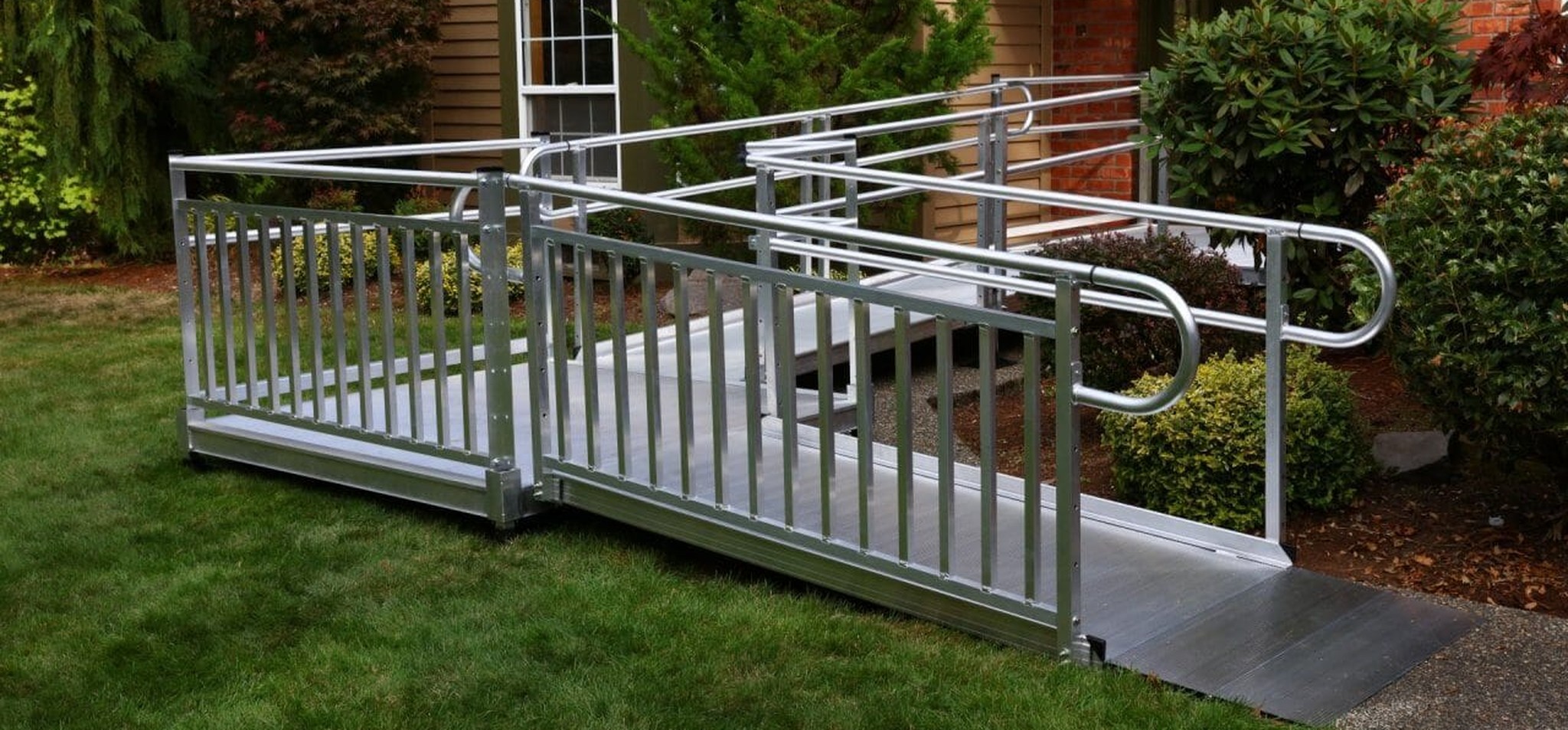
When people talk about accessibility, they often focus on doorways and elevators. But curbs can also create challenges. A step that seems small to most people may block someone using a wheelchair, walker, or mobility scooter. That is why Portable Curb Ramp solutions are essential. They provide a practical way to access buildings, sidewalks, and vehicles without permanent construction.
The right ramp can offer more than convenience. It provides independence and safety. Choosing the correct option means considering weight, size, surface traction, and the person who will use it.
This guide explains how to choose a portable curb ramp for different accessibility needs.
1. Understand the Different Types of Portable Curb Ramps
Not all ramps work the same way. Different designs address different obstacles.
- Threshold ramps: These are best for doorways and small height differences.
- Folding ramps: They fold in half and are easy to store and transport.
- Rubber ramps: They are useful for curbs and vehicle access because they are sturdy and weather resistant.
- Modular ramps: These suit locations that need semi-permanent setups.
Start by measuring the curb height and identifying the main use. A ramp for daily wheelchair use may need a different structure from one used only occasionally for a scooter or luggage cart.
2. Check the Weight Capacity and Safety Limits
Every ramp has a weight limit. Exceeding it can damage the ramp or lead to injury. Before making a choice, check the combined weight of the person and the mobility device. Add extra weight for bags or oxygen tanks if needed.
A ramp with a higher load capacity lasts longer and gives the user confidence. Look for reinforced edges, anti-slip surfaces, and clear load ratings.
3. Consider the Ramp Size and Slope
The length of a ramp directly affects its slope. A longer ramp creates a gentler incline, making it easier to climb. A short ramp may save space, but it can be steep and uncomfortable.
The Americans with Disabilities Act (ADA) recommends a 1:12 slope ratio. That means one inch of rise needs one foot of ramp length. Whenever possible, follow this standard for safety.
Width also matters. Most wheelchairs need at least 36 inches of clear width. If two people use the ramp or a caregiver walks beside the user, a wider ramp may be better.
4. Focus on Surface and Traction
A smooth ramp may look nice, but it can become dangerous when wet. Look for surfaces with grooves, grit, or raised patterns to increase traction.
Rubber and aluminum are popular because they resist weather and provide grip. Avoid ramps with slick finishes, especially if they will be used outdoors.
5. Evaluate Portability and Storage
The main benefit of portable ramps is easy movement. Choose a ramp that folds or rolls up for storage. Lightweight materials like aluminum are easier to carry. Some models also come with handles for simple lifting.
Consider where the ramp will be stored when it is not in use. If space is limited, choose a compact folding design.
6. Look for ADA Guidelines and Local Codes
Accessibility standards help ensure safe use. A ramp that follows ADA Compliance guidelines will usually meet minimum slope, width, and surface requirements. Local building codes may also set rules for public spaces. Before installing a ramp in a business or shared building, check whether permits or inspections are needed.
Conclusion
Choosing the right portable curb ramp is not just about buying the first option available. It involves understanding the user's mobility needs, the curb height, and the environment where the ramp will be used.
By focusing on type, weight capacity, slope, surface, portability, and ADA standards, you can select a ramp that supports safe and independent movement for everyone.
FAQs
What is the best slope for a portable curb ramp?
A 1:12 slope is generally recommended for safe and comfortable use.
Can portable ramps be used outdoors?
Yes, many models are weather resistant and designed for both indoor and outdoor use.
Do I need a permit for a portable ramp?
In most cases, portable ramps do not need a permit because they are not permanent structures. Check local regulations to confirm.







Comment