
When Does a Custom Trailer Make More Sense Than a Standard One?

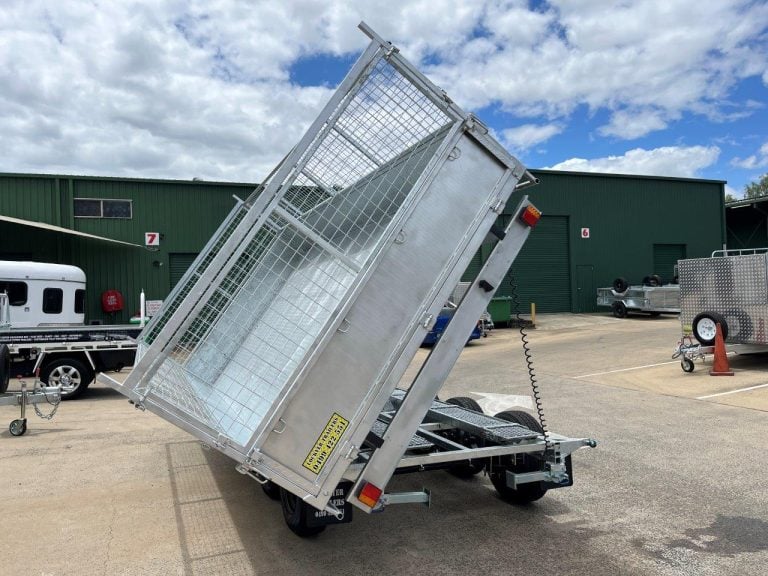
Choosing the right trailer requires more than just comparing dimensions, load ratings, and purchasing prices. For businesses involved in heavy transport, machinery transfer, and specialist freight, the trailer configuration has a direct impact on how effectively equipment is loaded, transported, and unloaded.
Standard trailers meet a variety of routine transportation needs. However, when cargo dimensions, weight distribution, or operational conditions differ from standard criteria, a purpose-built solution may be worth considering. The selection is based on how well the trailer supports the real work it needs to complete.
When Standard Trailers Are Enough
Standard trailers are designed to meet standard transportation requirements. They are often ideal for enterprises that move constant loads with predetermined dimensions and weight capacities.
For example, carrying standard-sized equipment or typical freight may not necessitate specialised engineering. An existing trailer arrangement can provide the necessary deck area, load capacity, and functioning without requiring any additional design considerations.
Standard models can be a sensible and cost-effective option for businesses with simple transportation needs. It also makes sense when flexibility is secondary to quick availability.
The situation changes when the item being transported does not fit comfortably inside these standard specifications.
5 Situations Where a Custom Trailer Makes More Sense
- Your Loads Have Unusual Dimensions or Weight Requirements
Not all loads suit typical trailer dimensions. Heavy machinery, industrial equipment, and big materials can cause problems with deck length, width, height, and weight distribution.
A trailer that technically accommodates the cargo may yet cause issues while loading, positioning, or transportation.
Custom-made trailers allow these requirements to be addressed during the design stage. Deck size, axle configurations, and structural standards can be designed around the desired cargo rather than making compromises.
- Your Loading and Unloading Process Needs Specialised Features
Loading requirements can be equally significant as the voyage itself. Heavy machinery, construction equipment, and other high loads may necessitate customised ramp configurations, hydraulic systems, or specialised access points.
A standard configuration might not provide the most practical loading solution, particularly when equipment needs to be moved frequently.
A purpose-built trailer can have features that help with loading and are appropriate for the machinery being transported. Depending on the application, this may incorporate hydraulic ramps, specialist deck layouts, or equipment positioning needs.
- Your Business Handles Different Types of Equipment
Some transport operators regularly move different machinery and freight types. A trailer designed for one application may not provide enough flexibility for another.
Custom transport equipment can be configured around a business’s regular workload, considering the dimensions, weight and handling requirements of different cargo.
For example, operators transporting construction machinery may need a combination of suitable deck space, loading access and securement points. Businesses handling oversized industrial equipment may have entirely different requirements.
The important consideration is whether one configuration can support the actual range of work without compromising practical operation.
- Operating Conditions Require a Specific Configuration
Transport requirements do not end with the cargo. Road conditions, access restrictions, loading environments and the towing vehicle all influence trailer selection.
Factors such as axle configuration, suspension, braking systems and deck height need to be considered as part of the overall design.
A custom approach allows these elements to be assessed together rather than selecting individual features without considering how they work as a complete system. This is particularly relevant for heavy transport operations where equipment must meet applicable vehicle standards and operating requirements.
- Your Transport Requirements Are Likely to Change
A trailer purchased for today’s workload may not suit the business many years from now.
Companies that extend their services, use greater machinery, or take on new transportation contracts may eventually outgrow their current equipment.
Planning for foreseeable requirements early in the design phase can help avoid unwanted compromises. However, increased capacity or features must serve a meaningful operational need.
Building beyond what the business needs can increase costs without delivering meaningful benefits.
Custom vs Standard Trailers: What Should You Consider?
The proper decision is based on the link between the trailer’s purchase price and its practical value over its working life.
A standard trailer may be a better investment if its current characteristics match the transport needs. A custom build becomes more compelling when repeated operational compromises, additional handling requirements or specialised cargo make a conventional configuration unsuitable.
Before making a decision, businesses should evaluate:
- Load specifications: What are the maximum dimensions and weights of the equipment being transported?
- Loading requirements: Are hydraulic ramps, specialised access or particular deck arrangements necessary?
- Vehicle compatibility: Does the trailer configuration suit the towing vehicle and its rated capacities?
- Operating environment: Will it regularly travel through demanding work sites or restricted access areas?
- Future requirements: Are there foreseeable changes in the type or volume of cargo?
These considerations help determine if customising solves a genuine operational problem or adds unneeded complexity.
Working With a Manufacturer That Understands Your Requirements
The quality of a custom trailer is greatly dependent on how well the original specifications are understood. Manufacturers need to consider the intended application, structural specifications, loading arrangements and relevant compliance obligations before finalising a design.
This is where experienced bespoke transport equipment manufacturers can help. Companies like CTE (Custom Transport Equipment) specialise in purpose-built solutions for the heavy transport business, such as drop decks, floats, tag trailers, and custom builds. Its strategy focuses on creating equipment to meet unique user needs rather than depending solely on standard configurations.
Making the Right Investment for Your Transport Operations
A standard trailer is not always the wrong decision, and a custom build is not always required. The key aspect is how well the equipment complements the work it will do.
When conventional specifications accommodate the cargo, loading process and operating conditions, a standard model can be perfectly suitable. However, when specialised needs have an impact on efficiency, compatibility, or safe load handling, a tailored solution is worth considering.
Ultimately, the best trailer is one designed around the realities of the job, not simply the specifications on a product sheet.







Comment