
Essential Features That Make a Home Game Room More Enjoyable

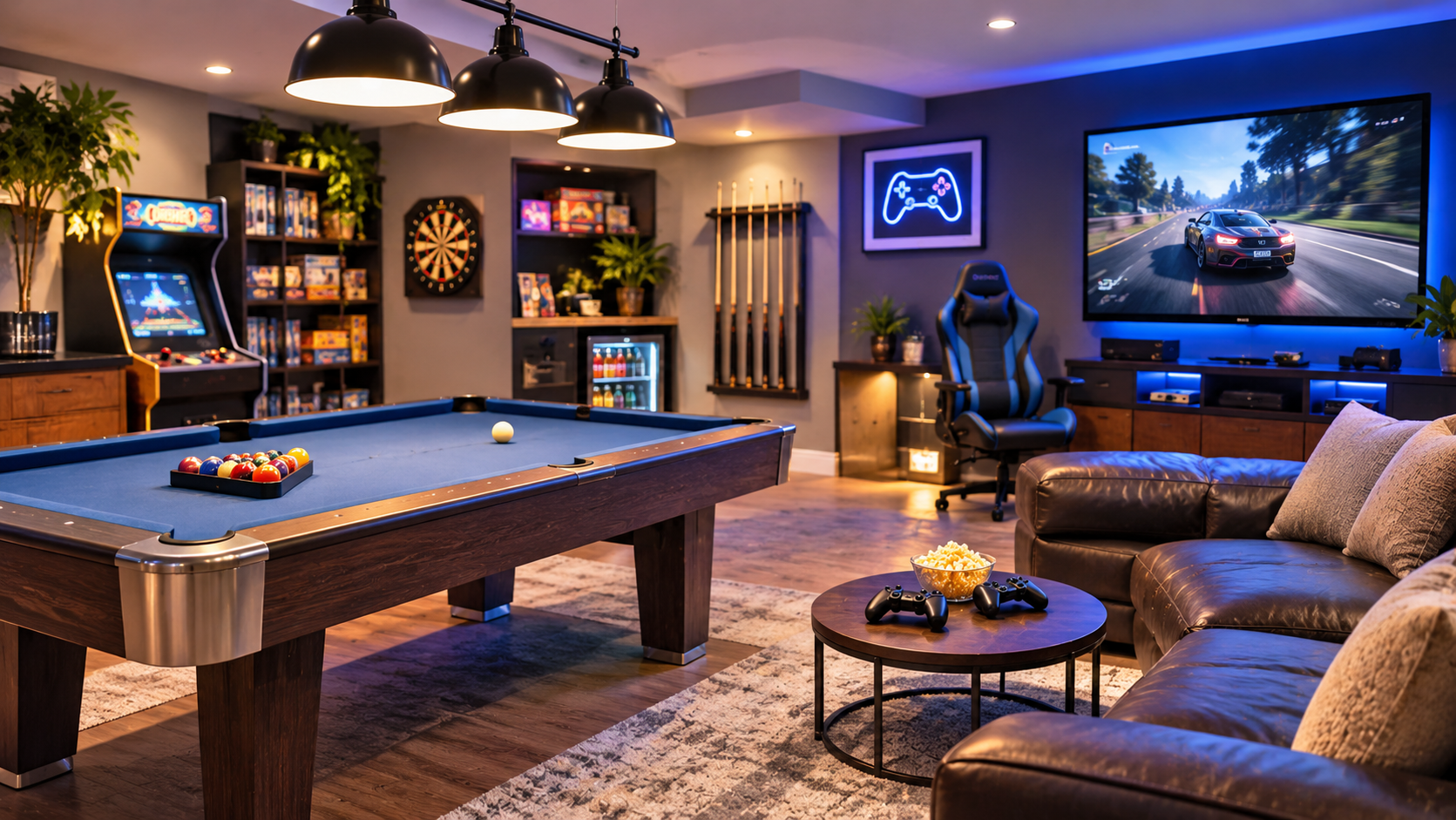
A home game room should offer something different from an ordinary living space. It should be a place where people can enjoy friendly competition, explore their favorite games, and spend quality time without distractions. However, creating an enjoyable gaming environment requires more than purchasing a pool table or installing a large television. The arrangement of furniture, selection of equipment, lighting conditions, and even small decorative details can influence how comfortable and entertaining the space feels. A thoughtfully designed game room combines practical features with personal interests, making it suitable for both casual entertainment and memorable gatherings.
Comfortable Seating That Encourages Longer Gaming Sessions
Seating plays an important role in determining how enjoyable a game room becomes. Whether someone is playing video games, watching friends compete, or enjoying a board game, uncomfortable chairs can quickly reduce the experience.
Different activities require different seating arrangements. Adjustable gaming chairs provide support during extended computer sessions, while sofas and lounge chairs create a relaxed atmosphere for multiplayer console games. Bar stools can also be useful around elevated tables or entertainment counters.
Furniture should be positioned to allow easy movement between gaming areas. Choosing durable upholstery and materials that are simple to clean can also help maintain the room’s appearance over time.
Personalized Gaming Equipment and Accessories
Every gaming enthusiast has different preferences, which makes personalization an important part of designing an entertainment space. Some homeowners enjoy traditional activities such as billiards, darts, and table tennis, while others prefer arcade machines or modern gaming consoles.
Incorporating Custom Game Room Products allows homeowners to select accessories, furnishings, and entertainment features that complement their preferred activities and overall interior design.
For example, personalized cue racks, decorative game tables, custom storage cabinets, and themed wall accessories can give the room a distinctive appearance. Instead of filling the space with unrelated equipment, choosing items that serve a clear purpose creates a more organized and enjoyable environment.
Lighting That Matches Different Gaming Activities
Lighting can dramatically change the atmosphere of a game room. Bright overhead lights may be suitable for board games, but they can create distracting reflections on television screens or computer monitors.
A combination of lighting sources offers greater flexibility. Pendant lights positioned above pool tables provide focused illumination, while adjustable LED fixtures can create a softer atmosphere during video gaming sessions.
Indirect lighting behind televisions or shelving units can also reduce harsh contrasts between bright screens and dark surroundings. Installing dimmer switches allows homeowners to adjust brightness according to the activity without constantly changing fixtures.
Natural light should also be considered, particularly when windows face gaming screens. Curtains or adjustable blinds can help control glare during daytime entertainment.
Smart Storage That Keeps Everything Organized
A game room can quickly become cluttered when controllers, cables, board games, and accessories lack designated storage spaces. Organization becomes especially important when multiple gaming activities share the same room.
Wall-mounted shelves can display collectibles while keeping valuable floor space available. Cabinets with adjustable compartments provide convenient storage for board games, cards, and electronic accessories.
For traditional gaming equipment, specialized holders can protect pool cues, darts, and other accessories from accidental damage.
Storage solutions should remain easily accessible so players can switch between activities without spending unnecessary time searching for equipment.
Proper Space Planning for Different Games
One commonly overlooked feature of an enjoyable game room is adequate movement space. Large gaming tables may appear attractive, but they can make a room uncomfortable when installed without considering the surrounding clearance.
Pool tables require sufficient room for players to move their cues freely. Table tennis setups need additional space for movement, while virtual reality gaming requires an unobstructed playing area.
Before purchasing equipment, homeowners should measure the room and consider how each activity will function. Using furniture that can be folded, moved, or converted for different purposes can make smaller entertainment spaces more versatile.
Sound Control for a Better Entertainment Experience
Sound quality influences gaming enjoyment, particularly during multiplayer video games, movies, and competitive activities. However, excessive noise can disturb other household members.
Carpets, upholstered furniture, curtains, and acoustic panels can help reduce echoes and improve the room’s sound environment.
Strategically positioned speakers can provide clear audio without requiring unnecessarily high volume levels. Headphone stations are another practical addition, especially in homes where several people enjoy different activities simultaneously.
Good sound management creates a more immersive atmosphere while helping the gaming space coexist comfortably with the rest of the home.
Refreshment Areas That Add Convenience
A dedicated refreshment corner can make a game room more welcoming during gatherings. Players often prefer having drinks and snacks nearby rather than repeatedly leaving the room.
A compact beverage refrigerator, small countertop, or snack cabinet can provide convenience without occupying excessive space. Cup holders and side tables also help prevent accidental spills near expensive gaming equipment.
Choosing surfaces that resist stains and moisture makes cleaning easier after social events. Refreshment areas should remain separate from electronic equipment whenever possible.
Decorative Details That Create a Unique Atmosphere
The visual personality of a game room can make it feel more inviting. Framed gaming artwork, sports memorabilia, vintage arcade decorations, or themed shelving can reflect the homeowner’s interests.
Rather than overcrowding the walls, a few carefully selected decorative pieces can create a stronger visual impression. Coordinating furniture colors, lighting fixtures, and accessories also helps establish a consistent design.
Conclusion
An enjoyable home game room is built around comfort, functionality, and personal preferences. Comfortable seating, appropriate lighting, organized storage, effective sound control, and carefully selected gaming equipment all contribute to a better entertainment experience. By focusing on how people will actually use the space, homeowners can create a game room that remains practical, welcoming, and entertaining for years to come.







Comment